
Latest News

The Essential Guide to Washing Your Dog A Step by Step Method for a Clean and Happy Pet
Friday, 24 April 2026 - 17:15 | Views - 131
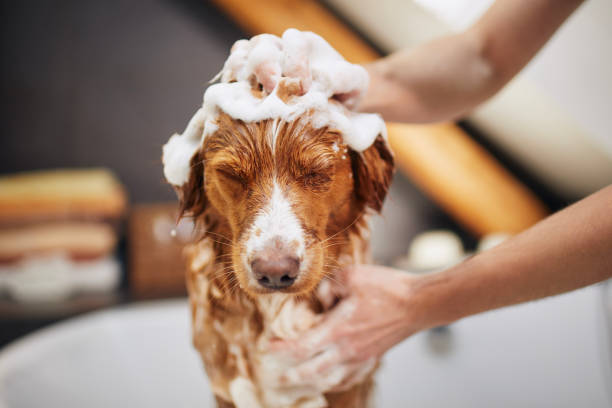
Bathing your dog is a vital part of grooming that keeps their skin healthy and their coat shiny. While some dogs love the water, others might find the process stressful. Following a clear, step-by-step method ensures the experience is safe and efficient for both you and your pet.
Preparation is Key
Before you even turn on the water, gather all your supplies. You do not want to be chasing a wet dog through the house because you forgot a towel. You will need dog-specific shampoo, several towels, a brush, and a pitcher or spray attachment.
Start by thoroughly brushing your dog. This removes loose fur and breaks up any mats or tangles. Once hair gets wet, mats become much harder to remove and can trap soap against the skin, causing irritation.
Setting the Scene
Place a rubber mat or a towel at the bottom of the tub or sink. Dogs often panic if they feel their paws slipping on a slick surface. Fill the basin with a few inches of lukewarm water. Always test the temperature with your elbow or wrist to ensure it is not too hot or too cold.
The Wetting Process
Gently lead your dog into the water. Use a pitcher or a spray nozzle to wet the fur starting from the neck and moving back toward the tail. It is very important to avoid getting water directly into their ears, eyes, or nose. Water in the ears can lead to infections, so many owners place large cotton balls just inside the ear opening to act as a barrier.
Lathering and Scrubbing
Apply a line of dog shampoo along their back and work it into a lather. Use your fingers to massage the soap down to the skin. Pay special attention to the paws, the underbelly, and the base of the tail, as these areas tend to collect the most dirt. If you need to clean the face, use a damp washcloth with no soap or a very small amount of tearless formula to wipe the area gently.
The Thorough Rinse
Rinsing is perhaps the most important step. Leftover soap residue can cause intense itching and skin flakes once the coat dries. Rinse until the water running off the dog is completely clear and you no longer feel any "slick" spots on their fur.
Drying Off
Once the water is off, let your dog do what they naturally want to do: shake. This removes a significant amount of water instantly. Wrap them in a large towel and pat them dry. Avoid heavy rubbing, which can cause tangles in long-haired breeds. If you use a hair dryer, keep it on the coolest setting and move it constantly to avoid burning the skin.
Finish the session with a treat and some praise. This helps your dog associate bath time with a positive reward, making the next session much easier for everyone involved.
Do you need advice on specific shampoo types for different skin conditions, or are you all set for bath time?







Monday, 27 July 2026 - 9:40
After years dominated by hyper-saturated trend cycles and sleek, ultra-smooth minimalism, fashion has...

Monday, 20 July 2026 - 9:35
The era of hyper-rigid seasonal dress codes has quietly dissolved. Where personal style once demanded...
Monday, 08 June 2026 - 18:35
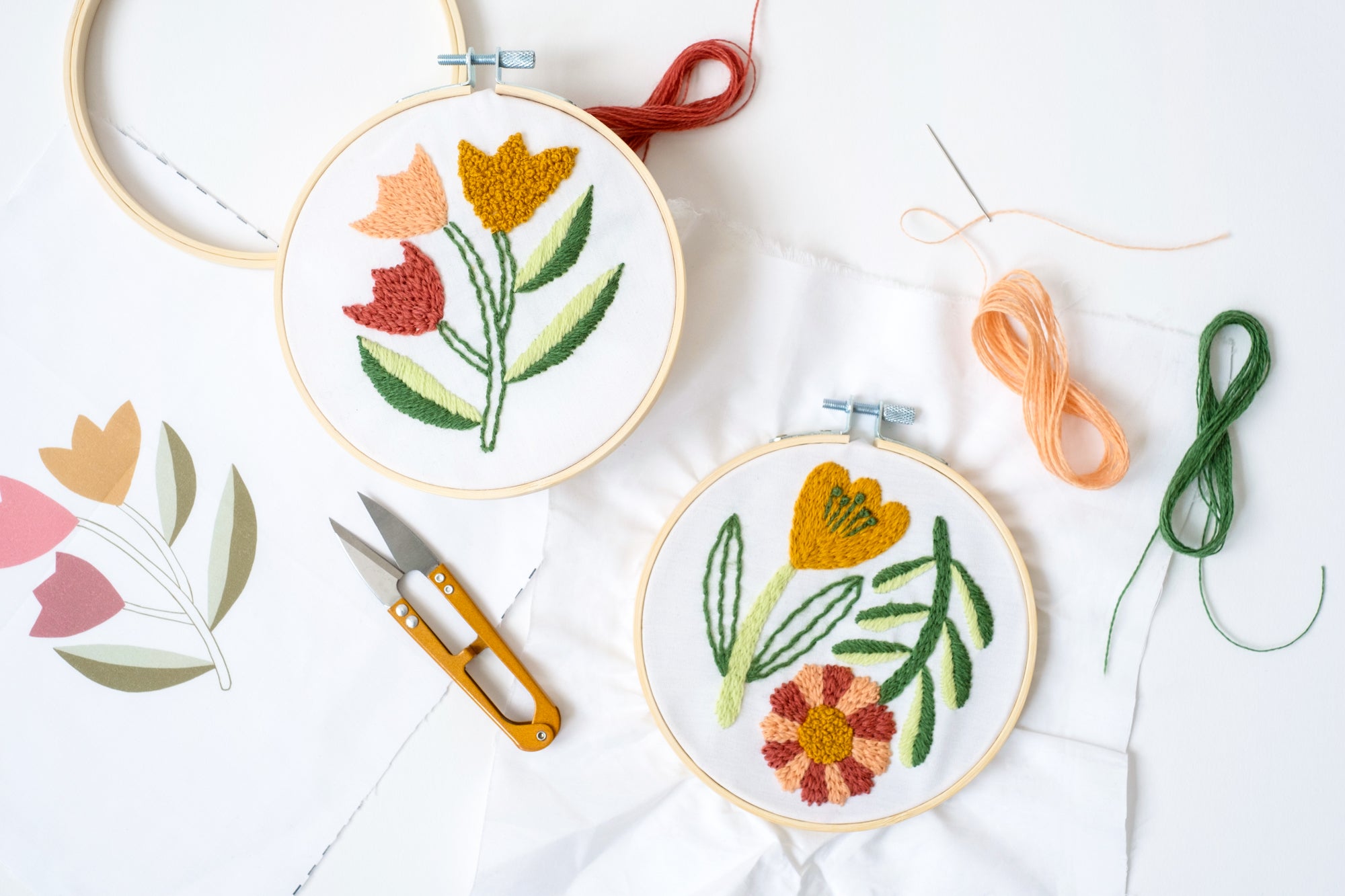
There was a time when sleek, unadorned surfaces and flat printed graphics defined what it meant to be...



Wednesday, 23 September 2026

Tuesday, 25 August 2026

Thursday, 13 August 2026


Tuesday, 18 August 2026

Tuesday, 28 July 2026

Monday, 20 July 2026
Friday, 15 May 2026