
Latest News

The Evolution of Childhood Style: From Tradition to Self-Expression
Wednesday, 22 April 2026 - 17:17 | Views - 221
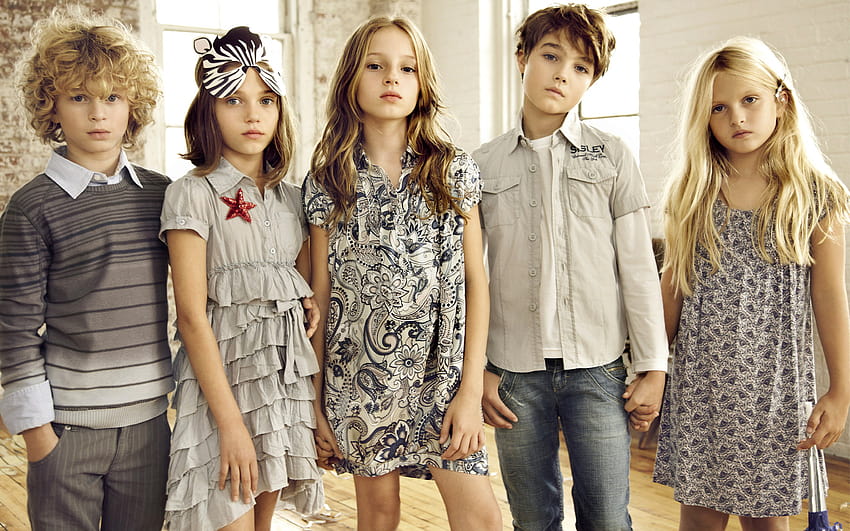
There was a time when children’s fashion was less about individuality and more about imitation. In the mid-20th century, clothing for young people often mirrored adult styles—miniature dresses, tailored shorts, and neatly pressed shirts designed to reflect propriety and discipline. Fashion was guided by formality, and practicality was frequently secondary to appearance. A child’s wardrobe symbolized social norms, family values, and a clear sense of order.
Today, however, children’s fashion tells a very different story. It has become a space for comfort, creativity, and self-expression—shaped not only by changing social attitudes but also by cultural movements, media influence, and technological progress.
The 1950s–1960s: Miniature Adulthood
In the 1950s, children were often dressed as smaller versions of their parents. Girls wore structured dresses with petticoats, while boys appeared in collared shirts, suspenders, and polished shoes. Clothing was formal, even for everyday wear, reflecting a broader societal emphasis on discipline and presentation.
By the 1960s, subtle changes began to emerge. While structure remained, brighter colors and playful prints entered children’s wardrobes. This period marked the early stages of recognizing childhood as a distinct phase, though fashion still retained a degree of rigidity.
The 1970s–1980s: Comfort and Playfulness
The 1970s introduced a more relaxed approach. Influenced by cultural shifts toward freedom and individuality, children’s clothing became more practical and expressive. Flared pants, bold patterns, and soft fabrics allowed for ease of movement and play.
By the 1980s, children’s fashion embraced vibrancy and fun. Bright colors, graphic prints, and character-themed clothing became popular, reflecting the growing influence of television and pop culture. Sportswear also began to play a significant role, introducing tracksuits and sneakers into everyday wardrobes.
The 1990s–2000s: Casualization and Global Influence
The 1990s marked a turning point toward casual comfort. Denim, oversized silhouettes, and unisex styles became common, influenced by global trends and youth culture. Children’s clothing increasingly prioritized practicality, aligning with more active lifestyles.
In the early 2000s, branding and media influence became more pronounced. Logos, cartoon characters, and celebrity-inspired styles shaped children’s fashion choices. Fast fashion began to impact the industry, making trendy clothing more accessible but also more disposable.
The 2010s: Identity and Individuality
By the 2010s, children’s fashion evolved into a platform for personal identity. Gender-neutral clothing gained traction, challenging traditional norms and offering greater freedom of expression. Parents and children alike began to value comfort, inclusivity, and authenticity.
Sustainability also entered the conversation. Organic fabrics, ethical production, and second-hand clothing became increasingly popular as awareness of environmental impact grew. Clothing was no longer just about appearance—it carried social and ethical meaning.
The 2020s: Digital Influence and Conscious Design
In the 2020s, children’s fashion reflects a blend of technology, culture, and consciousness. Social media and digital platforms influence trends at an unprecedented pace, while at the same time, there is a strong movement toward mindful consumption.
Comfort remains central—soft fabrics, relaxed fits, and versatile pieces dominate. At the same time, there is a renewed appreciation for creativity, with bold colors, diverse cultural influences, and customizable designs allowing children to participate in shaping their own style.
Parents are increasingly drawn to durability and sustainability, seeking clothing that lasts longer and reduces waste. This shift represents a broader rethinking of consumption, where quality and meaning take precedence over quantity.






Monday, 27 July 2026 - 9:40
After years dominated by hyper-saturated trend cycles and sleek, ultra-smooth minimalism, fashion has...
Monday, 20 July 2026 - 9:35
The era of hyper-rigid seasonal dress codes has quietly dissolved. Where personal style once demanded...
Monday, 08 June 2026 - 18:35
There was a time when sleek, unadorned surfaces and flat printed graphics defined what it meant to be...



Wednesday, 23 September 2026

Tuesday, 25 August 2026

Thursday, 13 August 2026


Tuesday, 18 August 2026
Tuesday, 28 July 2026

Monday, 20 July 2026

Friday, 15 May 2026