
Latest News

Mixed & Darker Woods: Why Richer Tones Are Taking Over Modern Interiors
Saturday, 21 November 2026 - 19:17 | Views - 284
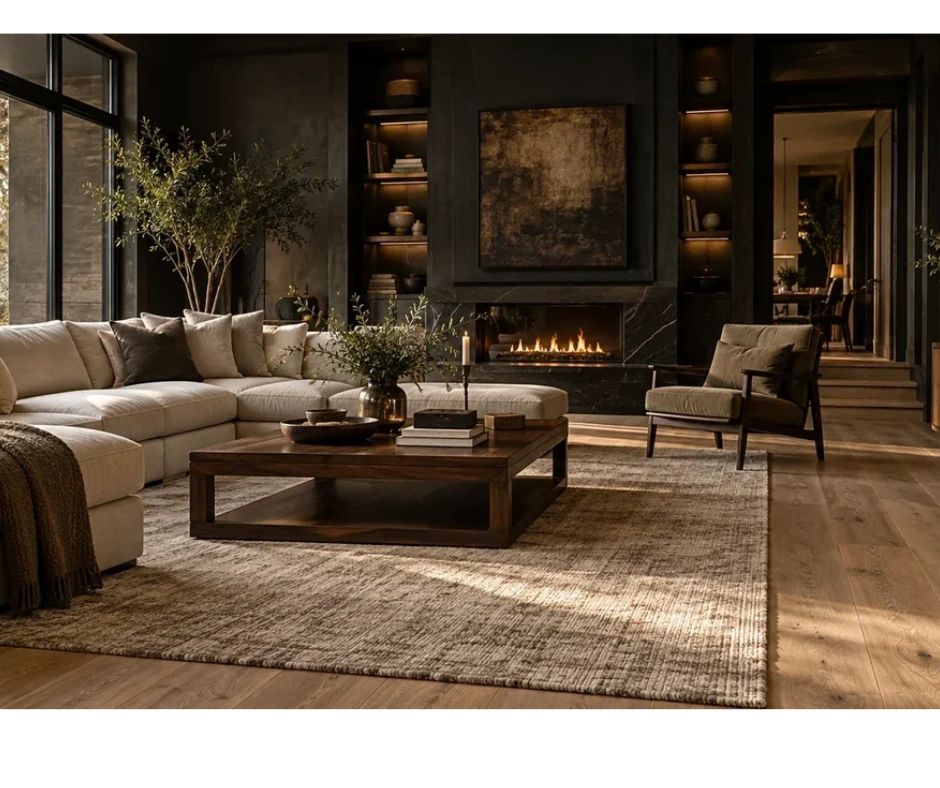
For years, interior design was dominated by light, airy oak, bleached pine, and ultra-pale minimalism. While those bright spaces had their moment, a major shift is underway. Homeowners and designers are gravitating back toward warmth, depth, and character—bringing richer wood tones like deep walnut, mahogany, smoked oak, and intricately patterned burlwood back into the spotlight.
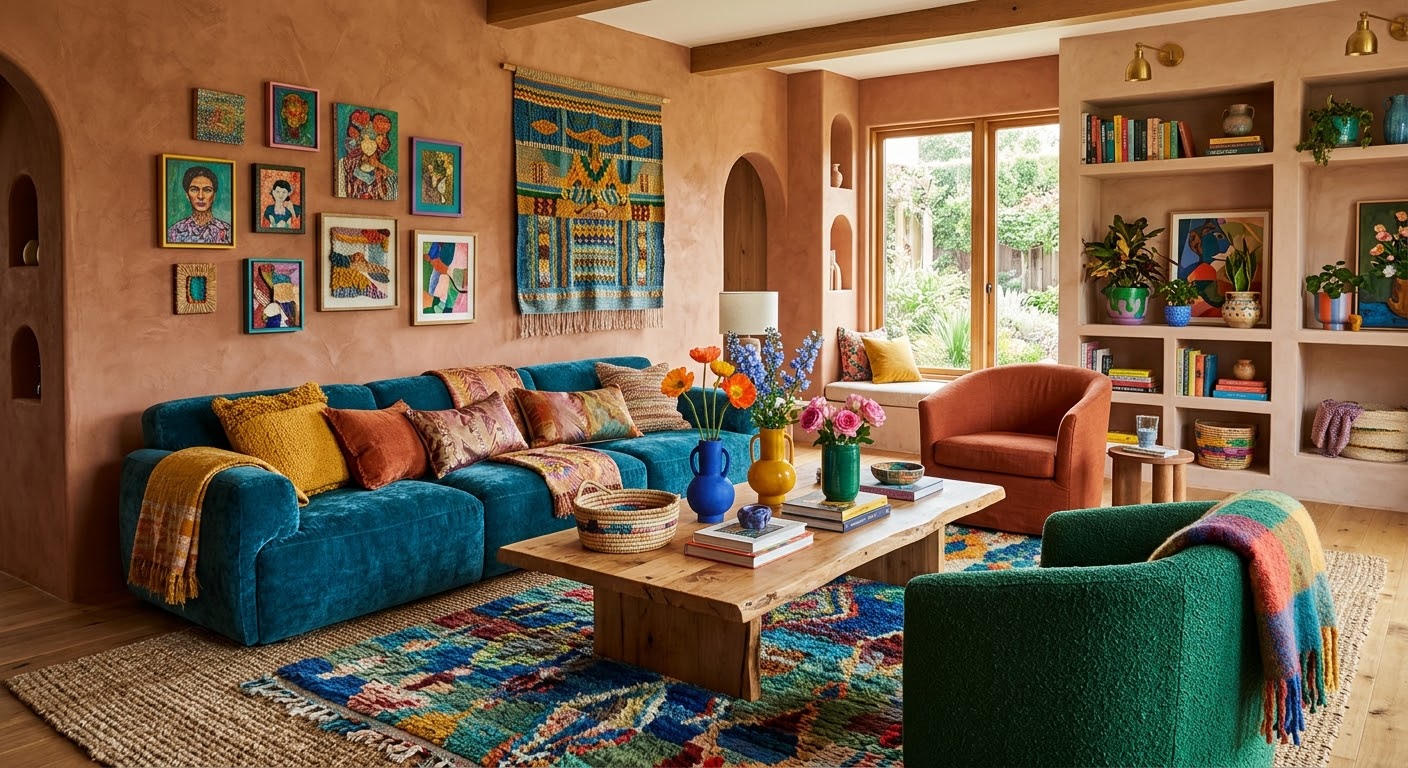
Even more interesting than the return of dark wood itself is the way it is being used. Gone are the days of buying a uniform, matching bedroom or dining room set where every piece comes from the exact same slab of timber. Today, the most compelling interiors are built by intentionally mixing different wood tones, grains, and finishes across flooring, cabinetry, and furniture.
Why Darker Woods Are Making a Comeback
The resurgence of darker timber comes down to how we want our homes to feel. After years of sterile white walls and clinical minimalism, people are craving spaces that feel grounded, cozy, and lived-in.
Darker woods naturally absorb light rather than bouncing it around, creating an immediate sense of intimacy and calm. Rich brown, espresso, and warm amber undertones bring instant architectural weight to a room, making even a brand-new build feel established and timeless. Furthermore, as sustainability and vintage shopping continue to shape design habits, well-crafted antique and mid-century pieces—most of which were built from dark, solid hardwoods—are finding new life in contemporary homes.
The Star Players: Walnut, Burlwood, and Smoked Oak
Not all dark woods deliver the same look. Several distinct varieties are leading this trend, each bringing a different personality to a space:
American Black Walnut: Prized for its rich chocolate-brown color and smooth, straight grain, walnut is the ultimate bridge between classic and modern. It feels sleek and mid-century on a streamlined credenza, yet warm and traditional on a dining table.
Burlwood: Easily the breakout star of recent interior trends, burlwood is harvested from unique, knotted growths on trees. Because the grain twists and swirls unpredictably, no two pieces ever look the same. Used on coffee tables, accent cabinets, and side tables, burlwood acts like natural artwork and adds a touch of vintage 1970s glamour.
Smoked and Fumed Oak: For those who love the prominent grain of oak but want something moodier, smoked oak offers deep, earthy charcoal and espresso tones without hiding the natural texture of the wood beneath heavy paint or opaque stain.
Mahogany and Cherry: Once associated with overly formal, traditional dining rooms, reddish-brown woods are being reimagined in cleaner, simpler silhouettes that highlight their warm, glowing undertones without feeling dated.
How to Mix Wood Tones Without Clashing
Mixing different woods in the same room can feel intimidating, especially if you are used to matching everything. When done poorly, a room can look disjointed; when done right, it looks curated and effortless. Following a few foundational guidelines makes all the difference:
Match the Undertones: Every wood has a subtle undertone—warm (red, orange, yellow), cool (gray, ashy brown), or neutral. The easiest way to mix woods successfully is to keep them in the same temperature family. A warm honey-oak floor pairs beautifully with a warm reddish-walnut table, whereas pairing a cool, gray-washed floor with a bright orange-toned pine cabinet will create visual friction.
Create Deliberate Contrast: If two woods are almost the exact same shade—say, two slightly different medium browns—it can look like you tried to match them and missed. Instead, aim for clear contrast. Pair a pale white oak floor with a deep espresso dining table, or place a light travertine and pale ash coffee table atop a dark walnut rug and hardwood floor.
Choose One Dominant Wood: Anchor the room with one primary wood tone, which is usually your flooring or your largest piece of furniture. Once that baseline is established, layer in two or three secondary wood tones through accent chairs, side tables, shelving, or picture frames.
Vary the Grain and Finish: Contrast isn't just about color; it is also about texture. Pairing a smooth, matte-finished walnut dining table with a rough-hewn, rustic oak bench or a high-gloss burlwood bar cart adds tactile depth that keeps the eye moving.
Use Textiles as a Buffer: If a dark wood chair sits directly on a dark wood floor, the two pieces can visually blur together. Placing an area rug—such as a cream wool, woven jute, or patterned vintage rug—between wooden furniture and wooden floors creates a clean visual break that lets each wood tone shine on its own.
Bringing the Trend Into Your Home
You do not need to replace your floors or overhaul your entire living room to embrace richer woods. Start small by introducing a single statement piece with depth and character. A vintage burlwood side table next to a neutral linen sofa, walnut dining chairs paired with an existing light wood table, or dark oak floating shelves against a warm white wall can instantly shift the mood of a room.
By letting go of rigid matching rules and embracing the natural variations of darker timber, you create a space that feels layered, personal, and built to last for decades.







Monday, 16 November 2026 - 11:54
At 73, '80s pop icon Cyndi Lauper is still refusing to blend into the crowd—and she has a blunt...
Wednesday, 11 November 2026 - 9:56
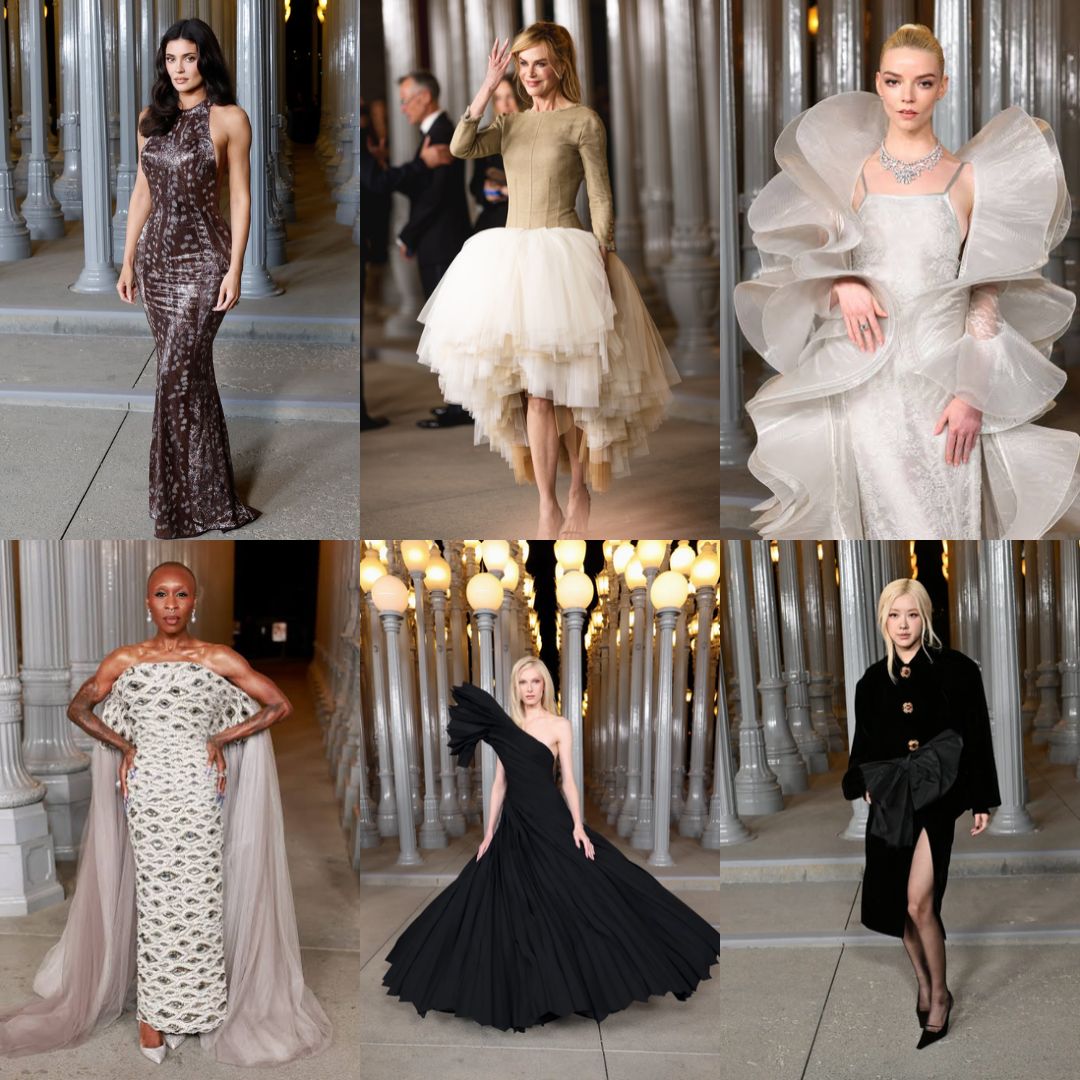
The Los Angeles County Museum of Art hosted its milestone 15th annual Art+Film Gala, bringing together...

Monday, 02 November 2026 - 11:22
Marking one year since his acclaimed debut as Chanel’s artistic director, Matthieu Blazy delivered...


Saturday, 21 November 2026

Saturday, 14 November 2026

Saturday, 07 November 2026

Saturday, 21 November 2026
Saturday, 14 November 2026
Saturday, 07 November 2026
Saturday, 31 October 2026