
Latest News

The Threads of Empire: Colonialism’s Influence on Fashion
Thursday, 30 April 2026 - 18:07 | Views - 223
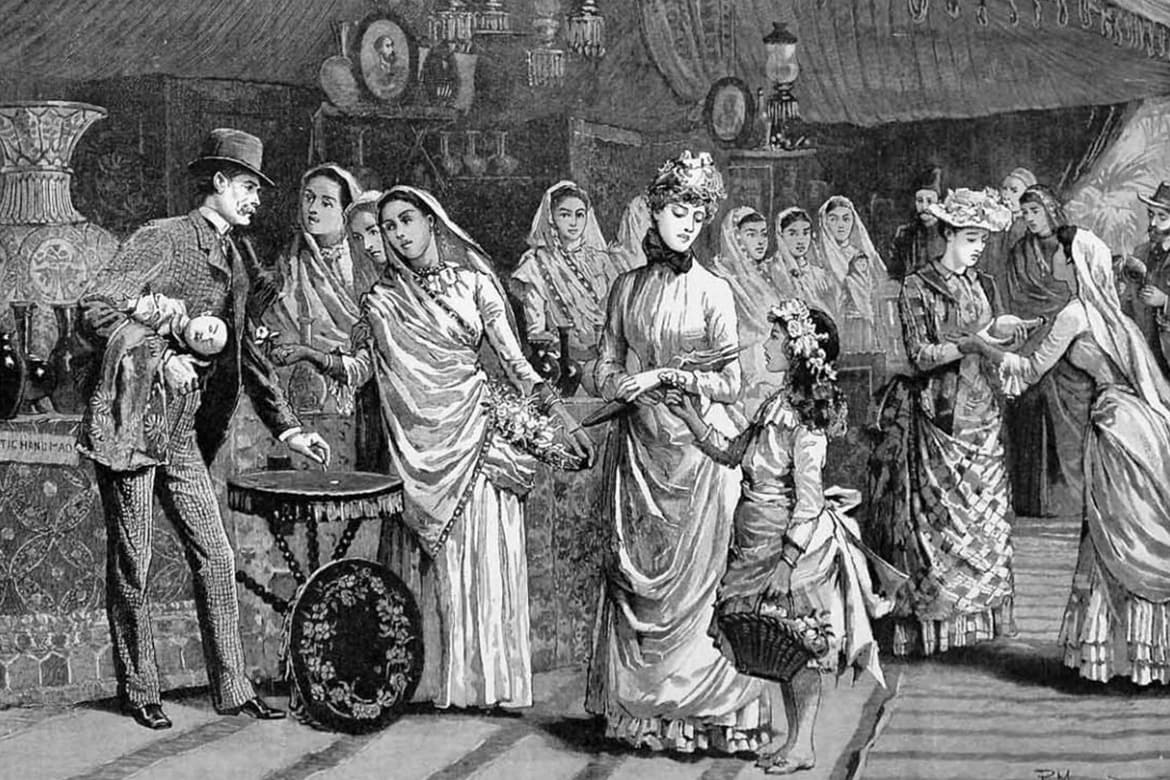
Fashion is often seen as a reflection of creativity and personal taste, but it is also deeply shaped by history. Colonialism, in particular, left a lasting imprint on how clothing is designed, valued, and worn across the world. Rather than a simple exchange of styles, it created systems of influence that affected materials, aesthetics, identity, and even the meaning attached to dress.
Power and Dress Codes
One of the most immediate impacts of colonialism was the way clothing became tied to authority. European styles—tailored suits, structured dresses, and formal footwear—were positioned as symbols of sophistication and control. In many colonized societies, wearing these garments became necessary for social mobility, access to education, or participation in governance. Dress codes in schools, offices, and official spaces often reinforced this hierarchy, subtly suggesting that Western appearance equated to modernity and respectability.
Erosion and Adaptation of Traditional Clothing
Colonial rule disrupted indigenous dress practices in complex ways. In some cases, traditional garments were discouraged or labeled as “backward,” leading to their decline in everyday use. In others, they were adapted—simplified, modified, or blended with European elements to fit new social expectations. This did not always mean disappearance; instead, it often resulted in hybrid forms of dress that carried both cultural heritage and colonial influence.
Textiles, Trade, and Economic Control
Fashion is not just about design—it is also about production. Colonial systems restructured global textile industries, often prioritizing raw material extraction over local craftsmanship. Regions known for rich textile traditions were redirected to supply cotton, silk, or dyes to European markets, while finished goods were imported back. This disrupted local economies and shifted the balance of creative control. At the same time, certain fabrics and techniques traveled across continents, embedding themselves in new cultural contexts.
Exoticism and Aesthetic Borrowing
Colonialism shaped how cultures were visually interpreted and consumed. Elements of non-European dress—patterns, embroidery, silhouettes—were frequently adopted into Western fashion, often stripped of their original meaning. These styles were reframed as “exotic” or novel, valued for their visual appeal rather than their cultural significance. This dynamic still echoes today in debates around cultural appropriation and the ethics of design inspiration.
Identity and Resistance Through Clothing
Clothing also became a quiet but powerful form of resistance. In many colonized societies, continuing to wear traditional garments was a way of preserving identity in the face of external pressure. Later, in post-colonial contexts, dress played a role in reclaiming cultural pride. Choosing indigenous textiles or silhouettes could signal political awareness, solidarity, or a rejection of imposed norms.
Standardization of Beauty and Body Ideals
Colonial influence extended beyond garments to ideas of beauty and presentation. Western standards—regarding body shape, skin tone, grooming, and styling—were often elevated above local ideals. Fashion imagery, advertising, and education reinforced these preferences, shaping perceptions of what was considered “attractive” or “proper.” These standards continue to influence global fashion industries, even as efforts to diversify representation grow.
Language, Branding, and Perception
The language of fashion itself reflects colonial legacies. Terms like “formal,” “professional,” or “elegant” are often rooted in European styles, while non-Western clothing may be categorized as “traditional” or “ethnic.” This distinction subtly positions Western fashion as the default and others as variations. Branding and global marketing have reinforced these perceptions, influencing how consumers interpret style and value.
Revival, Reclamation, and Conscious Design
In recent years, there has been a growing movement to reexamine these influences. Designers, historians, and consumers are increasingly interested in the origins of garments and the stories behind them. Traditional techniques—such as hand-weaving or natural dyeing—are being revived not only for their sustainability but also for their cultural significance. There is also a stronger emphasis on giving credit, ensuring fair production, and respecting the meaning embedded in design.
Colonialism’s influence on fashion is not confined to the past—it is woven into the present. From the clothes considered “formal” to the fabrics that dominate global markets, its effects remain visible. At the same time, fashion continues to evolve, offering space to question, reinterpret, and reshape these inherited narratives into something more inclusive and self-defined.







Monday, 27 July 2026 - 9:40
After years dominated by hyper-saturated trend cycles and sleek, ultra-smooth minimalism, fashion has...

Monday, 20 July 2026 - 9:35
The era of hyper-rigid seasonal dress codes has quietly dissolved. Where personal style once demanded...
Monday, 08 June 2026 - 18:35
There was a time when sleek, unadorned surfaces and flat printed graphics defined what it meant to be...



Wednesday, 23 September 2026

Tuesday, 25 August 2026

Thursday, 13 August 2026


Tuesday, 18 August 2026

Tuesday, 28 July 2026

Monday, 20 July 2026

Friday, 15 May 2026