
Latest News

The Rebel Threads: Expression in Rock ’n’ Roll Fashion
Wednesday, 13 May 2026 - 17:50 | Views - 1,256
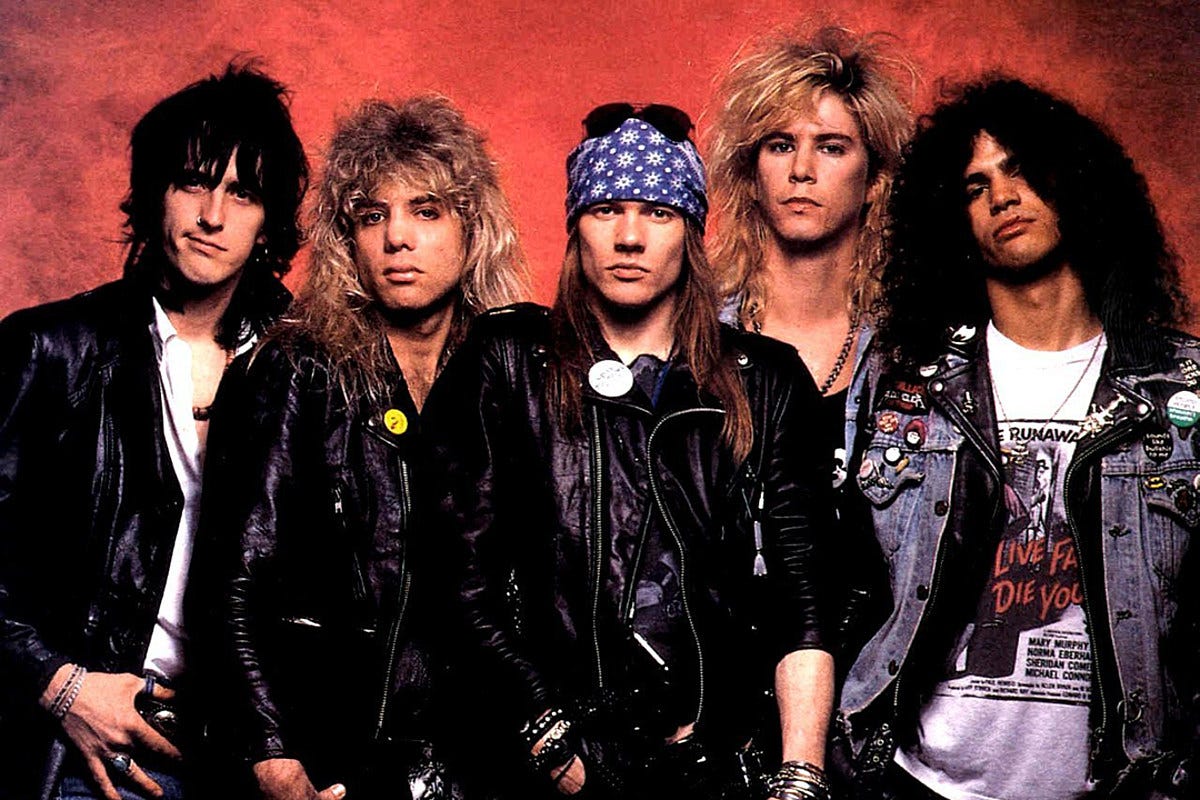
Rock ’n’ roll fashion has never been just about clothing. Beneath the leather jackets, ripped denim, glitter, and studs lies a history of rebellion, cultural exchange, and personal expression. From smoky underground clubs to massive stadium stages, rock fashion has reflected the shifting values of generations who used style not only to stand out, but to challenge authority, redefine identity, and reshape popular culture. Like the music itself, rock ’n’ roll fashion carries stories of resistance, transformation, and freedom.
Fashion as Rebellion
From its beginnings in the 1950s, rock ’n’ roll fashion emerged as a visual symbol of defiance. Young people adopted styles that rejected conservative social expectations and embraced individuality. Leather jackets, slicked-back hair, denim jeans, and boots became associated with rebellion against traditional ideas of behavior and respectability. Clothing was no longer simply practical—it became a statement of attitude and independence.
As rock music evolved, fashion became increasingly tied to youth identity. Fans used style to align themselves with particular movements, scenes, and values. Whether through punk’s torn fabrics or glam rock’s theatrical sparkle, rock fashion transformed appearance into a form of cultural resistance.
Stagewear and Performance Identity
In rock culture, fashion has always been deeply connected to performance. Musicians crafted distinctive visual identities that extended the emotion and energy of their music. Elaborate costumes, dramatic makeup, and unconventional silhouettes turned performers into larger-than-life figures, blurring the line between fashion and theater.
These visual choices often challenged social norms surrounding gender, beauty, and masculinity. Tight leather pants, platform boots, eyeliner, and flamboyant fabrics disrupted conventional expectations and encouraged audiences to rethink ideas about self-expression. The stage became a space where identity could be exaggerated, reinvented, or entirely reimagined.
Subcultures and Collective Belonging
Rock fashion also created powerful subcultures built around shared aesthetics. Fans adopted specific styles to signal belonging within musical communities, from the rebellious leather-and-denim look of classic rock to the DIY safety pins and combat boots of punk culture. These visual codes helped people recognize one another and build connections through shared taste and ideology.
Each subgenre developed its own symbols and dress language. Heavy metal embraced dark tones, chains, and aggressive imagery, while psychedelic rock experimented with flowing fabrics, bold prints, and colorful patterns inspired by countercultural movements. Clothing became a way of communicating values, musical preferences, and social attitudes without words.
Craftsmanship, DIY Culture, and Personalization
Unlike many forms of mainstream fashion, rock ’n’ roll style often celebrated imperfection and customization. Hand-painted jackets, patched denim, ripped shirts, and altered garments reflected a DIY spirit rooted in authenticity and individuality. Fans and musicians transformed ordinary clothing into deeply personal statements.
This culture of customization blurred the line between creator and consumer. Rather than simply purchasing trends, people actively reshaped their clothes to reflect their personalities and experiences. Studding, stitching, bleaching, and distressing became creative acts tied to identity and artistic freedom.
Commercialization and Mainstream Adoption
What began as rebellious style eventually became part of mainstream fashion industries. Designers, brands, and retailers adopted rock-inspired aesthetics, bringing leather jackets, band tees, ripped jeans, and metallic accessories into commercial markets. Symbols once associated with rebellion became widely marketable trends.
This transformation created tension between authenticity and commercialization. Some argued that mass production diluted the original spirit of rock fashion, turning symbols of resistance into products for consumption. Others saw it as evidence of rock culture’s lasting influence on global style.
Gender, Identity, and Self-Expression
Rock ’n’ roll fashion has long challenged traditional ideas about gender and appearance. Many artists used clothing and makeup to blur boundaries between masculine and feminine presentation, encouraging broader conversations about identity and freedom of expression.
These styles created space for experimentation and visibility, particularly for individuals who felt disconnected from rigid social expectations. Fashion within rock culture became more than aesthetic—it became a tool for questioning norms and embracing individuality in public spaces.
Nostalgia, Revival, and Modern Influence
Today, rock ’n’ roll fashion continues to inspire designers, musicians, and youth culture. Vintage band shirts, distressed denim, leather outerwear, and platform boots regularly return to mainstream fashion through cycles of revival and reinterpretation. Modern artists continue to borrow from past rock aesthetics while adapting them to contemporary values and identities.
At the same time, there is growing appreciation for the cultural histories behind these styles. Fashion historians, collectors, and fans increasingly recognize rock fashion not just as trend-driven clothing, but as a visual archive of social change, rebellion, and artistic innovation.
Continuity Through Reinvention
Rock ’n’ roll fashion continues to evolve, shaped by new generations, technologies, and cultural conversations. Yet its core purpose remains remarkably consistent: expression, individuality, and resistance to conformity. Beneath the leather, glitter, patches, and worn denim lies a deeper story about identity, creativity, and the enduring desire to challenge boundaries through style.
By looking beyond its surface, we can better understand how rock ’n’ roll fashion reflects the cultural tensions, freedoms, and transformations of the past—and why its rebellious spirit continues to resonate today.






Monday, 27 July 2026 - 9:40
After years dominated by hyper-saturated trend cycles and sleek, ultra-smooth minimalism, fashion has...
Monday, 20 July 2026 - 9:35
The era of hyper-rigid seasonal dress codes has quietly dissolved. Where personal style once demanded...
Monday, 08 June 2026 - 18:35
There was a time when sleek, unadorned surfaces and flat printed graphics defined what it meant to be...



Wednesday, 23 September 2026
Tuesday, 25 August 2026

Thursday, 13 August 2026


Tuesday, 18 August 2026
Tuesday, 28 July 2026

Monday, 20 July 2026

Friday, 15 May 2026