
Latest News

The Strange Silhouettes: Extreme Fashion Trends of the Past
Wednesday, 20 May 2026 - 17:57 | Views - 210
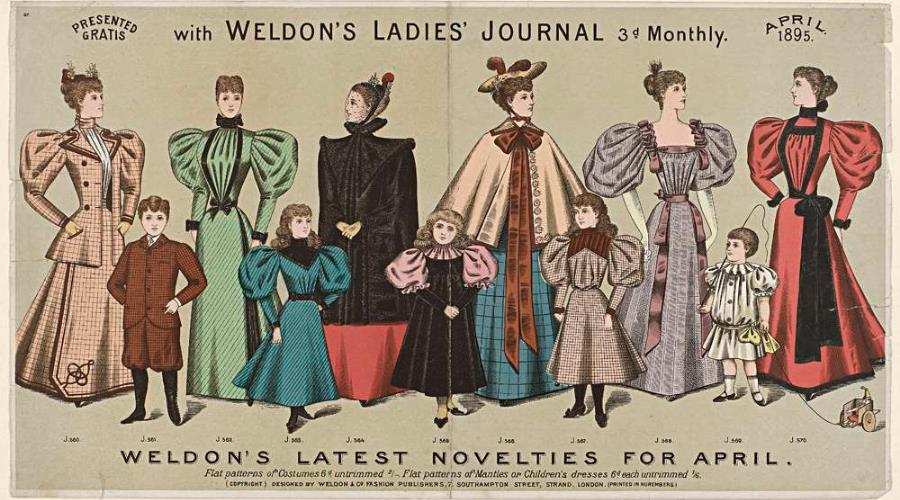
Fashion in earlier centuries was never just about clothing. Beneath the corsets, towering wigs, powdered faces, and oversized gowns lay deeper ideas about beauty, status, and social expectations. Historical fashion reflected the values of societies that used appearance to display wealth, discipline, and identity. Like modern trends, these unusual styles revealed how people expressed themselves and fit into the world around them.
Dressing for Power and Prestige
In many societies, elaborate clothing symbolized privilege and refinement. Wealthy individuals wore impractical garments to show they did not perform physical labor. Heavy fabrics, layered dresses, and restrictive tailoring became signs of elegance and social class.
Fashion was often about discipline as much as beauty. The body itself was shaped to fit idealized standards, even when styles caused discomfort.
The Corset Craze
One of the most famous historical trends was the corset. Designed to create a narrow waist and exaggerated silhouette, corsets became symbols of femininity and sophistication. Some people practiced extreme “tightlacing,” gradually reducing waist size through tightly structured garments.
Although corsets could restrict movement and breathing, they remained fashionable because they reflected cultural ideals surrounding beauty and self-control.
Wigs, Powder, and Public Spectacle
In eighteenth-century Europe, powdered wigs and towering hairstyles became symbols of wealth and prestige. Hairstyles were decorated with ribbons, feathers, and jewels, turning fashion into theatrical display.
Beauty practices could also be dangerous. Some cosmetics contained toxic ingredients such as lead and mercury, used to create pale skin that symbolized wealth and social status.
Fashion Beyond Comfort
Nineteenth-century fashion emphasized dramatic silhouettes through crinolines and bustles that expanded dresses into enormous shapes. These styles limited movement but represented elegance and refinement.
Footwear could also be uncomfortable and restrictive, showing how fashion often prioritized appearance over practicality.
Clothing as a Reflection of Identity
Historical clothing communicated social class, morality, and gender expectations. At the same time, fashion allowed individuals to express creativity and personal identity within strict social systems.
Many trends that seem strange today reflected the same human desires that influence fashion now: beauty, status, belonging, and self-expression.
Why These Trends Still Fascinate Us
Although many historical styles disappeared, their influence remains visible in modern fashion. Corset-inspired designs, platform shoes, vintage tailoring, and dramatic makeup continue to return through cycles of revival.
By looking at these unusual trends, we can better understand how fashion reflects cultural values and changing ideas about identity, beauty, and social expectations across time.






Monday, 27 July 2026 - 9:40
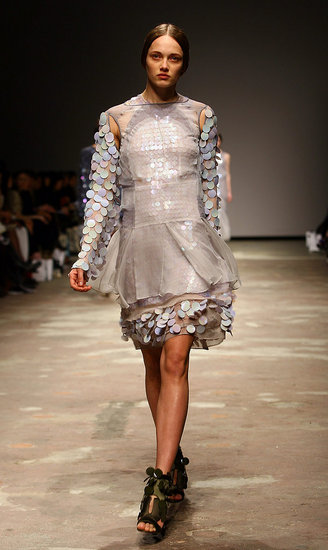
After years dominated by hyper-saturated trend cycles and sleek, ultra-smooth minimalism, fashion has...
Monday, 20 July 2026 - 9:35
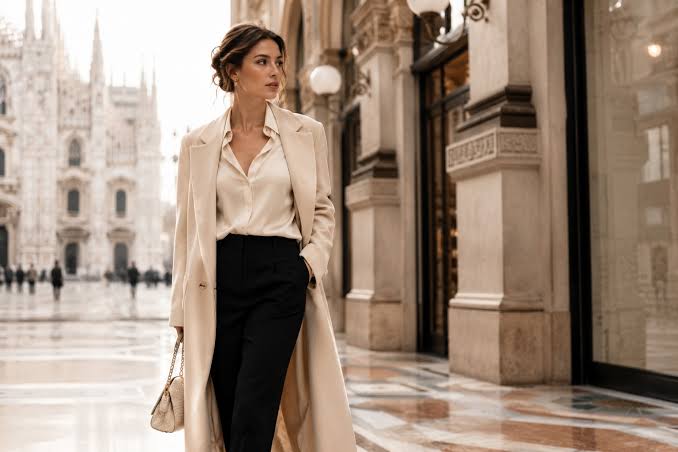
The era of hyper-rigid seasonal dress codes has quietly dissolved. Where personal style once demanded...
Monday, 08 June 2026 - 18:35
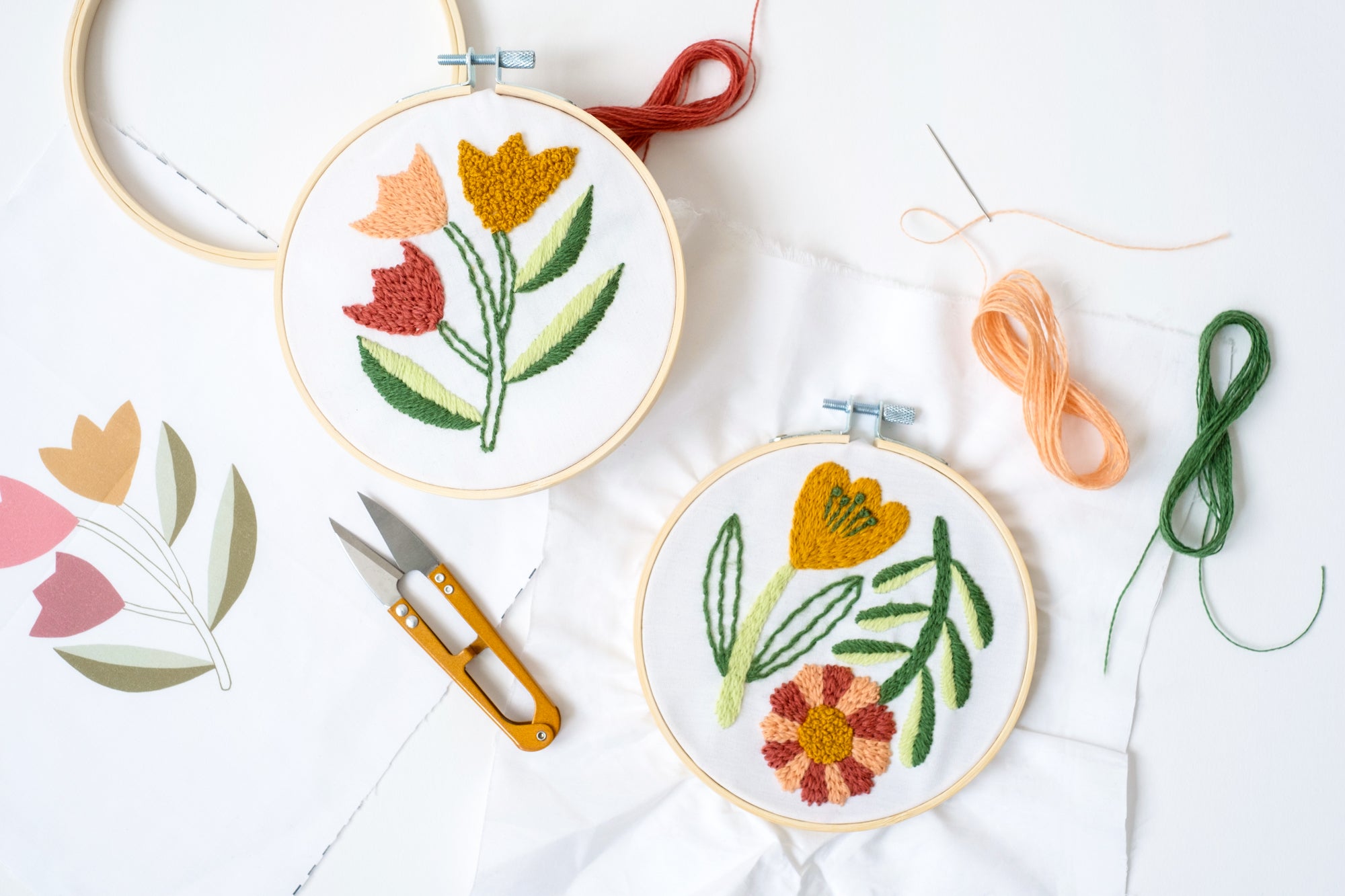
There was a time when sleek, unadorned surfaces and flat printed graphics defined what it meant to be...



Wednesday, 23 September 2026

Tuesday, 25 August 2026

Thursday, 13 August 2026


Tuesday, 18 August 2026

Tuesday, 28 July 2026

Monday, 20 July 2026

Friday, 15 May 2026