
Latest News

The Power of Heritage: Traditional Patterns in a Modern World
Friday, 17 April 2026 - 17:21 | Views - 184
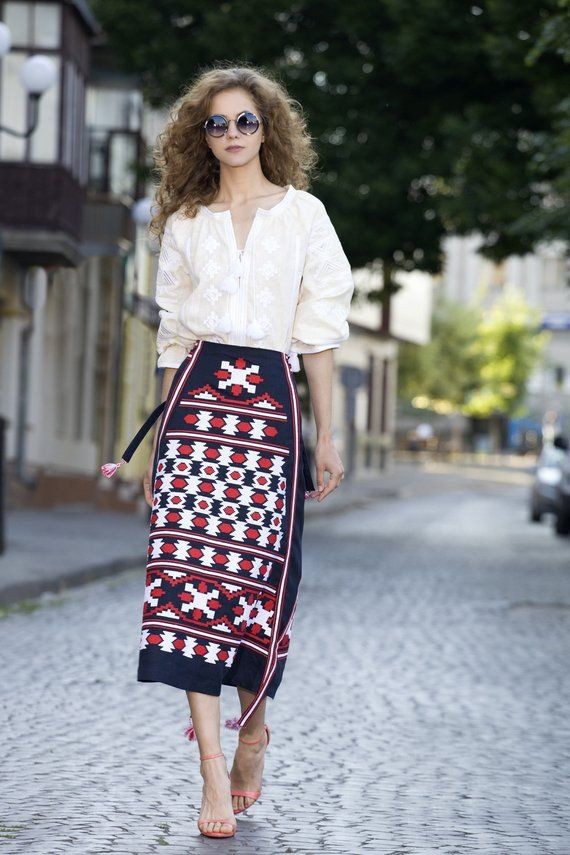
There was a time when modern fashion seemed determined to look only forward. In the pursuit of sleek minimalism and futuristic silhouettes, the intricate designs of the past were sometimes left behind. Clothing was often treated as a blank slate, stripped of historical context in favor of mass-market uniformity. A stripped-back wardrobe was seen as the ultimate reflection of modernity and progress.
Today, however, a vibrant shift is taking place. As the world becomes increasingly globalized and digital, many are turning back toward heritage in what they wear.
A Shift Toward Cultural Expression
In a world filled with fleeting micro-trends and mass-produced graphics, traditional patterns offer a sense of soul. By focusing on ancestral motifs—whether the geometric precision of West African Ankara, the sweeping teardrops of Indian Paisley, or the structured weave of Scottish Tartan—these prints replace visual noise with intention. The result is a look that feels rooted rather than random.
This approach is not about living in the past—it is about honoring it. Designers and wearers alike are exploring how historical symbols and regional colors can convey meaning without needing words. A specific print becomes a wearable narrative, allowing history and artistry to stand out more clearly.
The Art of Craftsmanship and Technique
One of the defining features of traditional patterns is their inherent connection to artisanal techniques. While modern fashion relies on fast digital printing, the emphasis of heritage textiles is often on the human hand.
Block-printed cottons, hand-loomed silks, and wax-resist batiks—these methods add an authenticity that machines cannot easily replicate. A garment featuring a traditional print might carry the slight, beautiful imperfections of a hand-carved wooden stamp or the organic bleed of natural indigo dye, creating visual interest and a tactile connection to the maker.
This technique transforms everyday clothing into wearable art, proving that historical craftsmanship can be just as relevant as modern innovation.
Timelessness Over Trends
Traditional patterns naturally resist the fast-changing cycles of the fashion industry. Because they rely on motifs that have been refined and celebrated over generations, they tend to remain relevant across seasons, decades, and even centuries.
This enduring quality makes wardrobes rich in traditional prints inherently sustainable. A well-crafted heritage piece is rarely discarded after a single season; instead, it is cherished, often outlasting passing fads to become a family heirloom. The result is a wardrobe that feels curated and significant rather than temporary.
For many, this represents a shift away from mindless consumption toward a more thoughtful appreciation of cultural artistry.
Versatility in Everyday Life
Another reason for the growing appeal of traditional patterns is their unexpected adaptability. While they carry deep historical roots, they do not require a fully traditional ensemble to make an impact.
Whether for work, travel, or casual settings, heritage prints can be adapted to contemporary styling—pairing a bold Ikat jacket with simple jeans, or draping a delicate Shibori scarf over a monochrome dress. The complexity of the pattern creates a striking focal point, elevating a basic outfit with minimal effort.
This balance of heritage and contemporary style aligns perfectly with modern lifestyles, where expressing individuality is often just as important as ease and convenience.
Looking Ahead
Traditional patterns are unlikely to completely replace modern minimalism, but their influence continues to grow. As people seek authenticity in an increasingly uniform world, the appeal of wearing one's history becomes stronger.
The future of fashion may not always be about creating something entirely new—it may, instead, become about remembering what was already there. Embracing traditional prints reflects this shift, offering a way to stand out through cultural depth rather than mere novelty.
In the end, it demonstrates that sometimes, looking backward is the most beautiful way to move forward.







Monday, 27 July 2026 - 9:40
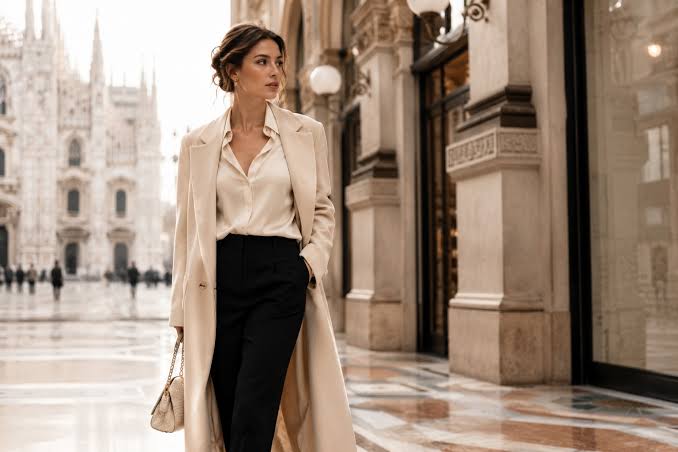
After years dominated by hyper-saturated trend cycles and sleek, ultra-smooth minimalism, fashion has...
Monday, 20 July 2026 - 9:35
The era of hyper-rigid seasonal dress codes has quietly dissolved. Where personal style once demanded...
Monday, 08 June 2026 - 18:35
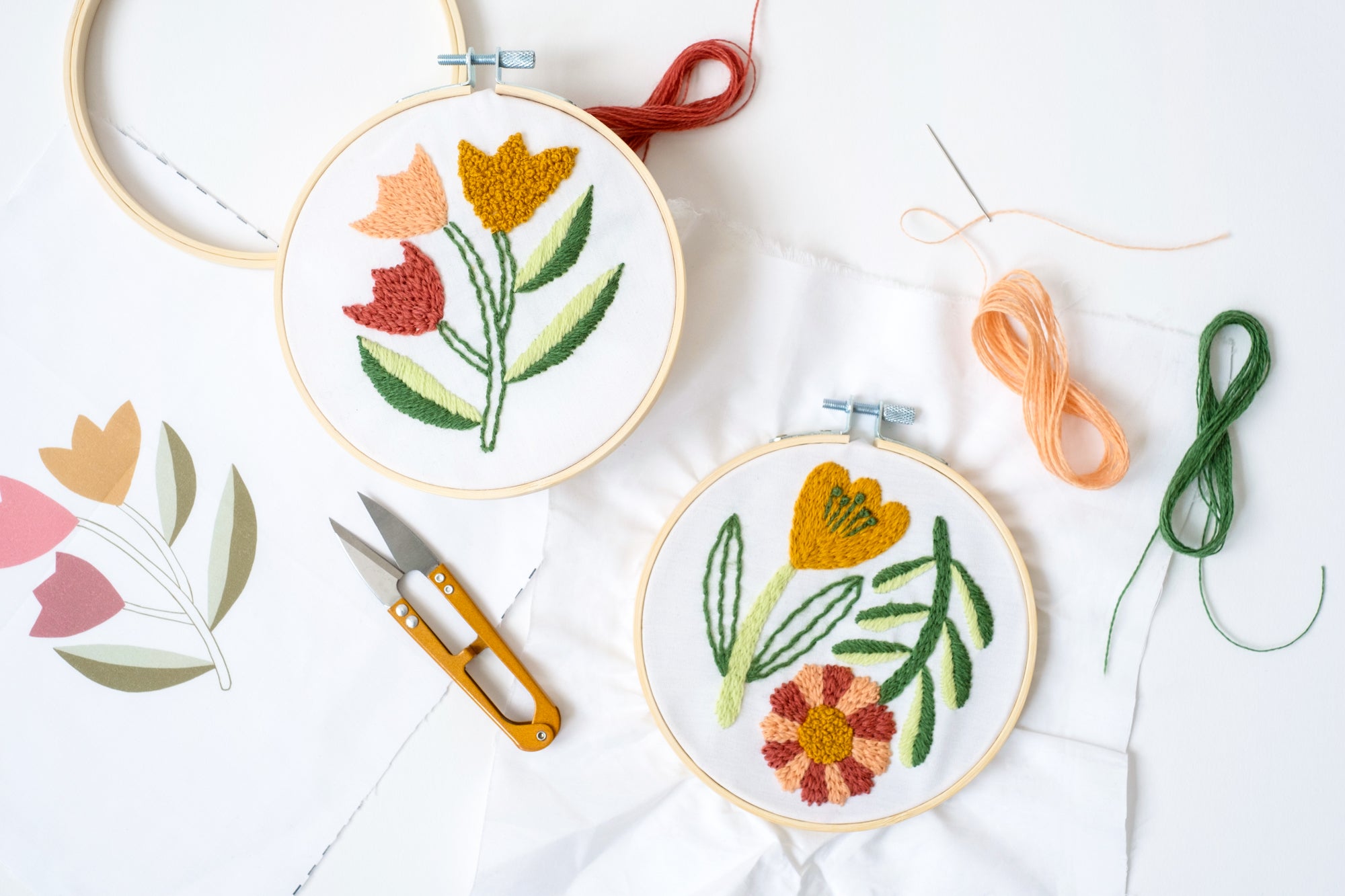
There was a time when sleek, unadorned surfaces and flat printed graphics defined what it meant to be...



Wednesday, 23 September 2026

Tuesday, 25 August 2026

Thursday, 13 August 2026


Tuesday, 18 August 2026

Tuesday, 28 July 2026

Monday, 20 July 2026

Friday, 15 May 2026