
Latest News

The 2026 Flooring Masterclass: Balancing Modern Aesthetics with Timeless Durability
Friday, 13 March 2026 - 19:04 | Views - 413

Choosing the right flooring for a new home is one of the most impactful design decisions you will make. It sets the tone for your aesthetic, determines how much time you will spend on maintenance, and even affects the resale value of your property.
As of 2026, the industry has shifted away from the "cool grays" of the last decade toward materials that emphasize warmth, texture, and sustainability.
Latest Flooring Trends for 2026
If you are looking for the most current options, these five materials and styles are dominating modern home construction:
-
Warm-Toned Engineered Hardwood: Deep honey, caramel, and chestnut tones have replaced ash and gray. Engineered wood is the gold standard for new builds because its layered construction is more stable than solid wood, making it compatible with underfloor heating systems.
-
Large-Format Porcelain Tile: In kitchens and bathrooms, the trend is "bigger is better." Large tiles (sometimes up to 24 by 48 inches) reduce the number of grout lines, creating a seamless, spa-like appearance that makes rooms feel larger.
-
Rigid Core Luxury Vinyl Plank (LVP): This remains the most popular "life-proof" option. The latest versions feature "Embossed-in-Register" (EIR) technology, where the physical texture of the plank perfectly matches the visual grain of the wood, making it nearly indistinguishable from the real thing.
-
Eco-Resilient Materials (Cork and Bamboo): With a focus on wellness, cork has seen a massive resurgence. It is naturally antimicrobial, soft underfoot, and provides excellent sound insulation, making it a top choice for home offices and nurseries.
-
Patterned Layouts (Herringbone and Chevron): It is no longer just about the material, but how it is laid. Shorter planks arranged in geometric patterns are being used in entryways and "snug" rooms to add a custom, architectural feel.






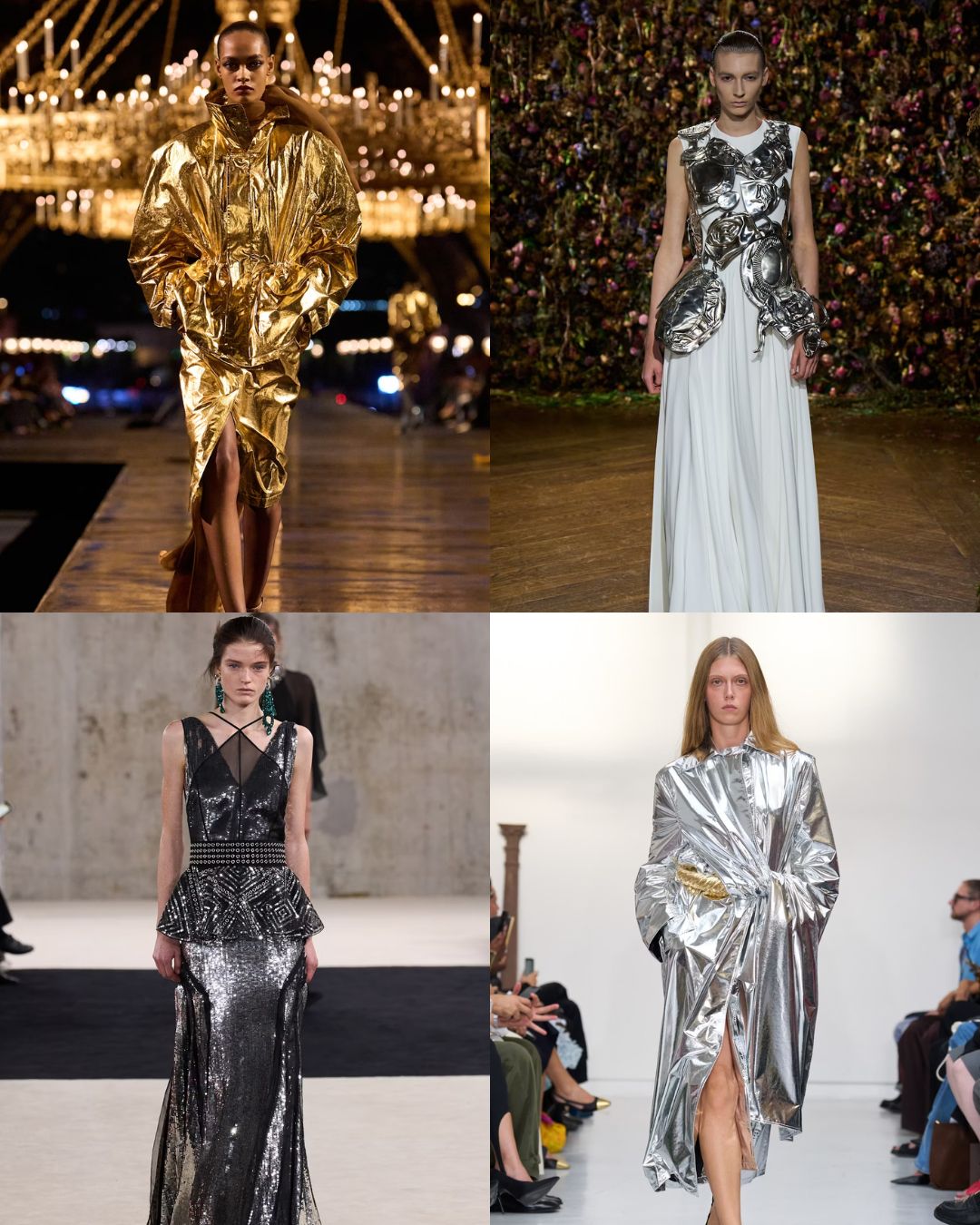
Monday, 12 October 2026 - 12:07
Paris Fashion Week SS27 has officially declared minimalism over, ushering in a breathtaking era of high-impact...
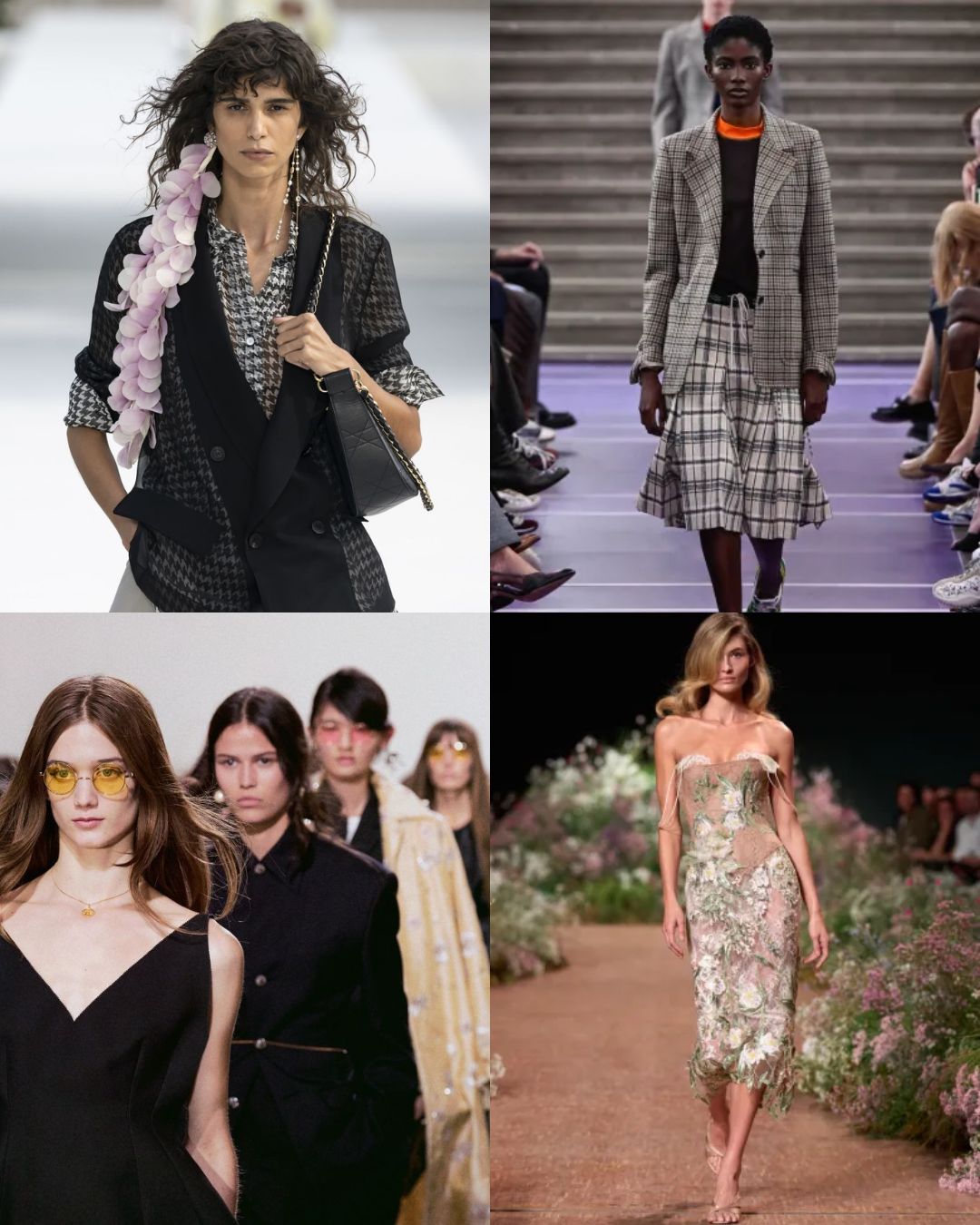
Monday, 05 October 2026 - 11:00
Paris Fashion Week has been nothing short of a whirlwind, turning the French capital into the ultimate...
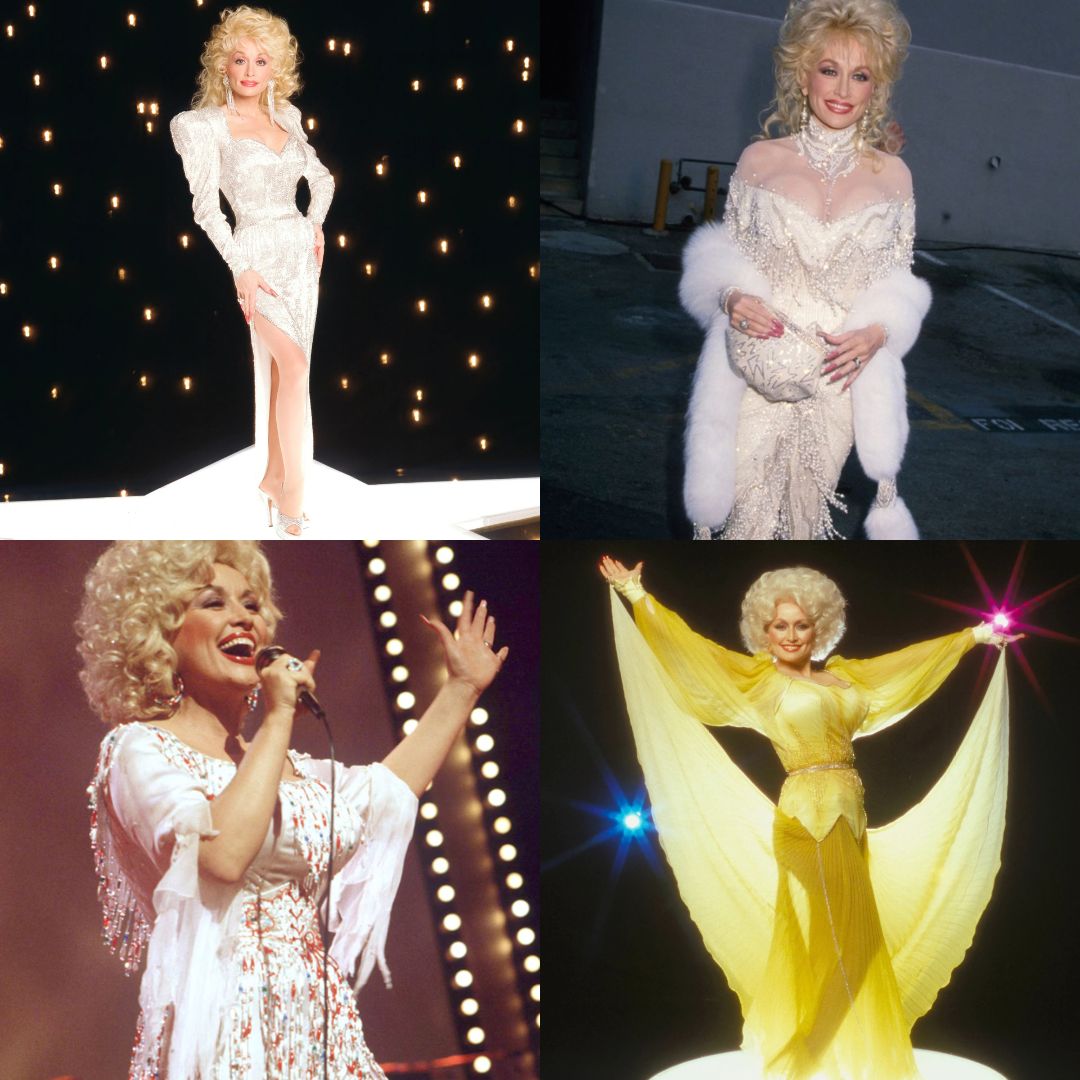
Tuesday, 29 September 2026 - 13:08
In the world of fashion, true icons are defined not by fleeting trends, but by an unwavering, uncompromising...



Thursday, 15 October 2026

Wednesday, 07 October 2026

Thursday, 01 October 2026

Friday, 16 October 2026
Wednesday, 07 October 2026
Thursday, 01 October 2026
Tuesday, 18 August 2026