
Latest News

Manners & Etiquette
Wednesday, 19 October 2016 - 15:18 | Views - 2,200

Manners cost us nothing; yet, earn us respect when we use them.
"Manners maketh the man," is a phrase not used much these days. The basics of etiquette have been largely forgotten by the younger generation.
The older generation may well remember some of the following:
Don't point - it's rude
Don't smoke or eat in the street - it looks 'common'
Don't talk with your mouth full - disgustingly, you may spit some of it out!
Don't shout - Keep your voice down
Don't interrupt - it's selfish and ill-mannered
Don't swear - it impresses nobody (it's the language of low lives and those with a limited vocabulary)
Open doors for the elderly and for women
Hold doors open for whoever is following you in (or out)- don't let it slam in their face
Use please and thank you
Don't gang up on anybody anywhere
Don't talk behind other's backs
Turn away from people, food and the phone when you cough or sneeze
Show respect for those older and wiser than yourself
Without respect and consideration for others, we are nothing but savages.
There are some modern considerations too:
Rules on the use of Telephones and Mobile Phones (Cell Phones)
Rules on the use of Answering Machines & Speaker Phones
Road Etiquette
Neighborhood Noise - loud music at all hours
And many others that you can think of by yourself
People don't care how much you know; they don't care how rich you are. They just need to know how much you care.
And caring about others is what manners is all about. Think about that.
It will improve your relationships with people immeasurably when you showthem that you care about them!
Manners and Etiquette are what distinguish us from the apes (and a good many of our fellow human beings too).
There are no hard and fast rules or laws on the subject of etiquette. In a nut shell, having good manners is showing courtesy and consideration for other people at all times in all circumstances, putting yourself in their shoes and thereby not being offensive, rude or disrespectful.
Manners have evolved from customs, protocols and conventions. This process is common to all countries and cultures and has developed over the ages to ensure a harmonious society. They are even enshrined in the Ten Commandments!
These rules differ between countries and cultures but nevertheless are there to ensure a peaceful coexistence between people thus creating a society thatrespects the rights of others. This is the foundation of order and trust as opposed to chaos and crime.
Vandalism is a growing problem in the Western world whether drug or alcohol induced or as a result of idleness in our affluent society. Vandalism includes the destruction of public property by skateboards or the defacing of property with graffiti.
Communities are now starting to band together tostamp out this scourge in their suburbs. One such army of volunteers in Western Australia is promoting 'vandalism prevention awareness' in schools and is actively recruiting members to bethe eyes of the community to help discourage this mindless activity.
Wherever you are you can be a part of this movement called PAV (People Against Vandalism)







Monday, 27 July 2026 - 9:40
After years dominated by hyper-saturated trend cycles and sleek, ultra-smooth minimalism, fashion has...

Monday, 20 July 2026 - 9:35
The era of hyper-rigid seasonal dress codes has quietly dissolved. Where personal style once demanded...
Monday, 08 June 2026 - 18:35
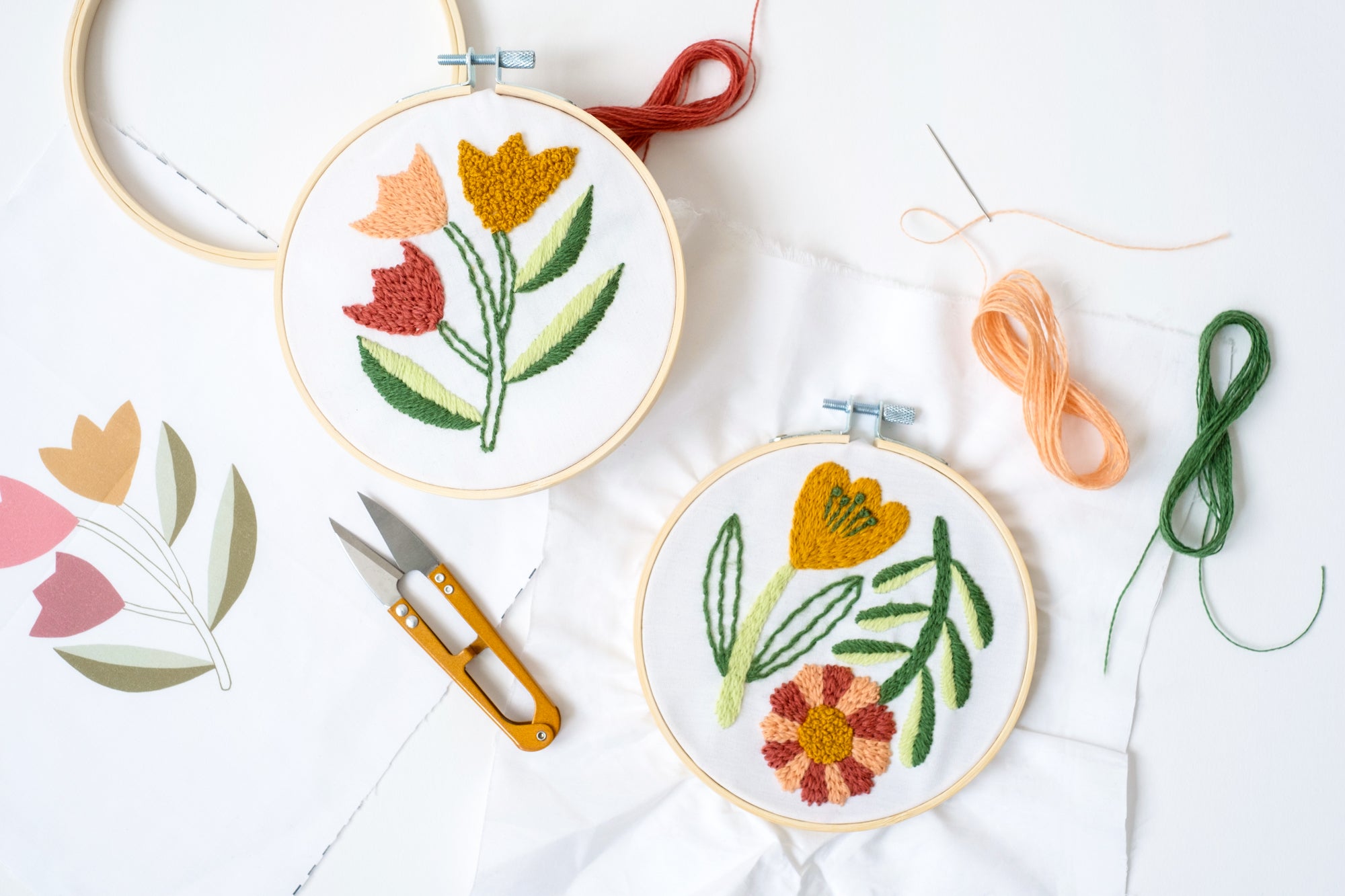
There was a time when sleek, unadorned surfaces and flat printed graphics defined what it meant to be...



Tuesday, 25 August 2026

Thursday, 13 August 2026
Wednesday, 05 August 2026


Tuesday, 18 August 2026

Tuesday, 28 July 2026
Monday, 20 July 2026
Friday, 15 May 2026