
Latest News

Using Apple Cider Vinegar (ACV) for Your Dog’s Itchy Skin
Friday, 07 August 2026 - 13:21 | Views - 1,032
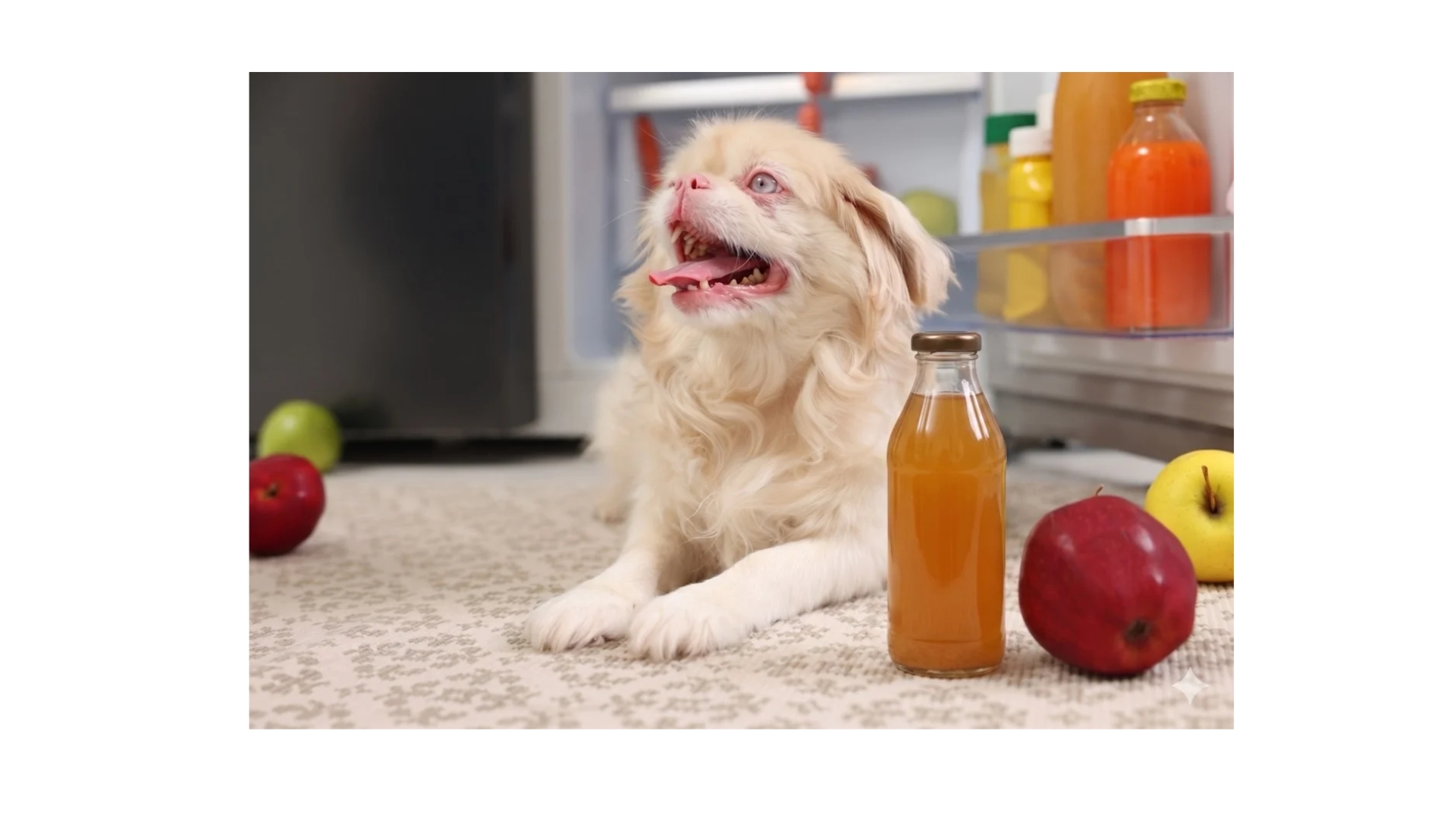
Many dog owners turn to Apple Cider Vinegar (ACV) as a natural, affordable remedy for mild skin irritation. While it is not a cure-all or a replacement for veterinary care, properly diluted ACV can serve as a helpful tool for soothing mild itching and freshening your dog’s coat.
Why Use Apple Cider Vinegar?
ACV is commonly used for skin support because of its acetic acid content, which gives it mild antimicrobial and antifungal properties. When used correctly, it may help in the following ways:
-
Restoring pH Balance: Dogs have a different skin pH than humans. An acidic rinse can help restore the skin’s natural protective barrier, making it less hospitable to yeast and bacteria.
-
Soothing Mild Itch: The cooling sensation of a diluted spray can provide temporary relief from minor environmental allergies or dry, itchy skin.
-
Reducing Odor: ACV helps neutralize "yeasty" smells (often described as smelling like corn chips) that occur in skin folds or paws.
How to Use It Safely
Crucial Warning: Never apply undiluted vinegar to your dog. It is highly acidic and can cause significant pain, burning, or worsening inflammation, especially on broken skin.
The Standard Dilution Recipe
For most topical applications, use a 50/50 ratio:
-
Mix: 1 part raw, organic, unfiltered apple cider vinegar with 1 part clean water.
-
Sensitive Skin: If your dog has very sensitive skin, start with a more diluted mixture (e.g., 1 part ACV to 3 or 4 parts water).
Application Methods
-
Spray: Pour the 50/50 mix into a clean spray bottle. Lightly mist your dog’s coat after a bath or between grooming sessions to soothe skin and freshen fur.
-
Paw Soak: If your dog is chewing their paws, dip their feet into a bowl of the diluted solution for 30 seconds or wipe between their pads with a cloth soaked in the mixture.
-
Ear Cleaning: Use a cotton ball lightly dampened with the solution to wipe the outer ear flap only. Never pour vinegar into the ear canal, as it can damage the eardrum if an infection is present.
Important Precautions
While ACV is helpful for minor issues, it is important to know when to skip it and see a vet.
-
Avoid Open Wounds: Never apply ACV to "hot spots," raw, bleeding, or severely cracked skin. It will sting intensely and increase discomfort.
-
Watch for Irritation: If your dog develops increased redness, begins scratching more, or seems uncomfortable, rinse the area with cool water immediately and discontinue use.
-
Not a Pest Preventative: Despite common myths, there is no scientific evidence that ACV repels fleas or ticks. Do not rely on it as a substitute for professional parasite prevention.
-
Seek Veterinary Care For: Chronic itching, hair loss, recurring ear infections, or skin that is oozing, crusty, or has a strong odor. These are often signs of underlying allergies, hormonal imbalances, or infections that require prescription medication.
Pro Tip: Always choose "raw, unfiltered" ACV (often labeled as containing "The Mother") for the best quality, as it retains the beneficial enzymes and bacteria often removed from clear, pasteurized vinegars.







Monday, 19 October 2026 - 10:25
The sixth annual Academy Museum Gala lit up Los Angeles as stars gathered in support of the Academy Museum...

Monday, 12 October 2026 - 12:07
Paris Fashion Week SS27 has officially declared minimalism over, ushering in a breathtaking era of high-impact...

Monday, 05 October 2026 - 11:00
Paris Fashion Week has been nothing short of a whirlwind, turning the French capital into the ultimate...



Thursday, 15 October 2026

Wednesday, 07 October 2026

Thursday, 01 October 2026


Friday, 16 October 2026

Wednesday, 07 October 2026

Thursday, 01 October 2026

Tuesday, 18 August 2026