
Latest News

HOW THE GREEK-ROMAN ARCHITECTURAL STYLE INFUSED WITH MODERN ARCHITECTURE
Tuesday, 18 August 2026 - 7:30 | Views - 126
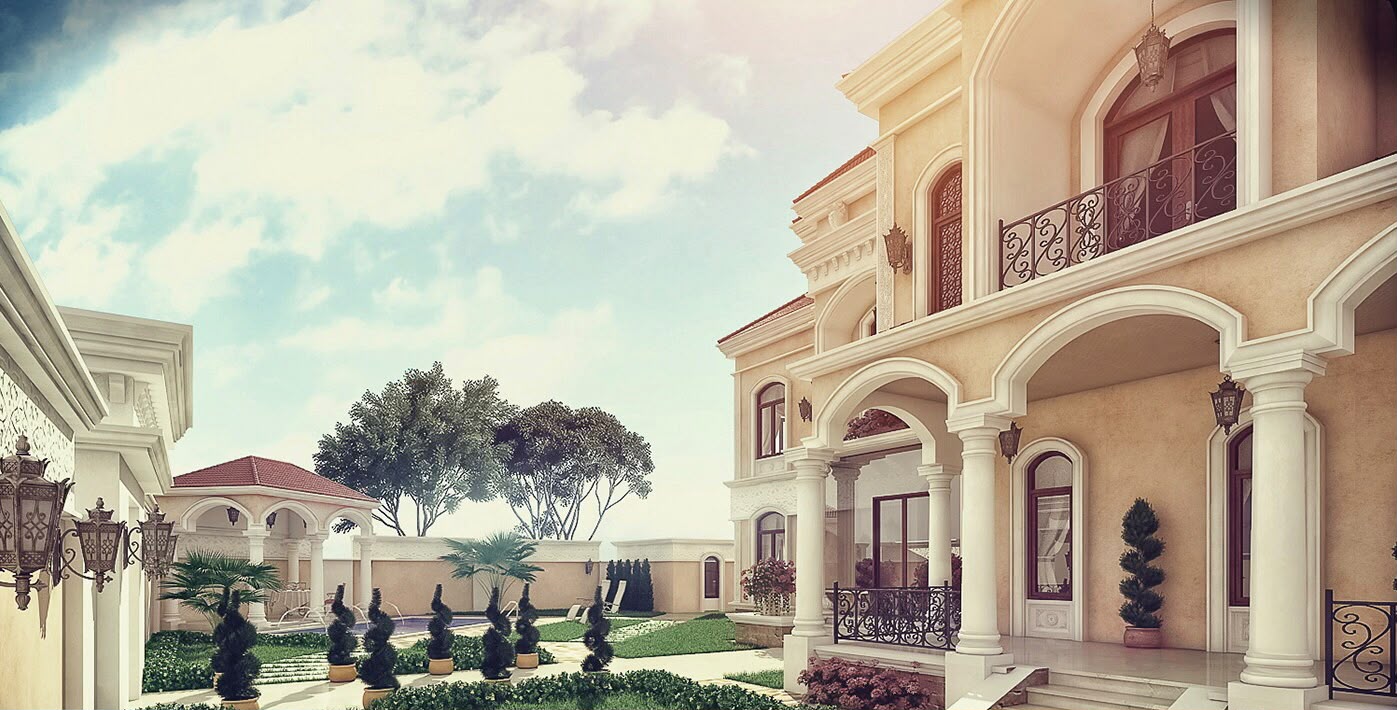
The timeless aesthetics of Greco-Roman architecture—characterized by symmetry, monumental scale, and classical orders—have left an indelible mark on the built environment. In modern architecture, this classical DNA is rarely replicated literally; instead, it is reinterpreted through contemporary materials like steel, glass, and reinforced concrete to create a dialogue between ancient permanence and modern lightness.
Key Elements of Greco-Roman Fusion,
Structural Colonnades and Piers: Modern designers often strip traditional columns of their ornate capitals (Doric, Ionic, Corinthian), transforming them into sleek, structural steel columns or minimalist concrete piers that frame open-concept spaces and support floating glass roofs.
The Classical Entablature Reimagined: The heavy horizontal bands of ancient cornices and friezes are re-envisioned in modern facades as clean cantilevered overhangs, dramatic slab edges, or sleek metallic sun-shades that define building profiles.
Symmetry and Axial Planning: Classical architecture relied heavily on strict geometric symmetry and grand processional axes. Modern buildings adapt this layout to foster civic dignity, using central courtyards, reflecting pools, and linear atriums to guide movement through corporate headquarters, museums, and government centers.
Monolithic Materiality: While ancient temples relied on heavy blocks of marble and travertine, contemporary architecture achieves a similar monumental gravitas using board-formed concrete, large-format stone cladding, and curtain walls that mimic the colonnade's rhythm through repeating glass panels.
Architectural Impact
By infusing classical Greco-Roman principles into modern design, architects achieve a sense of permanence, civic gravity, and human scale. This blending bridges the gap between historical continuity and futuristic innovation, proving that the ideals of proportion, order, and monumentality remain eternally relevant.






Monday, 12 October 2026 - 12:07
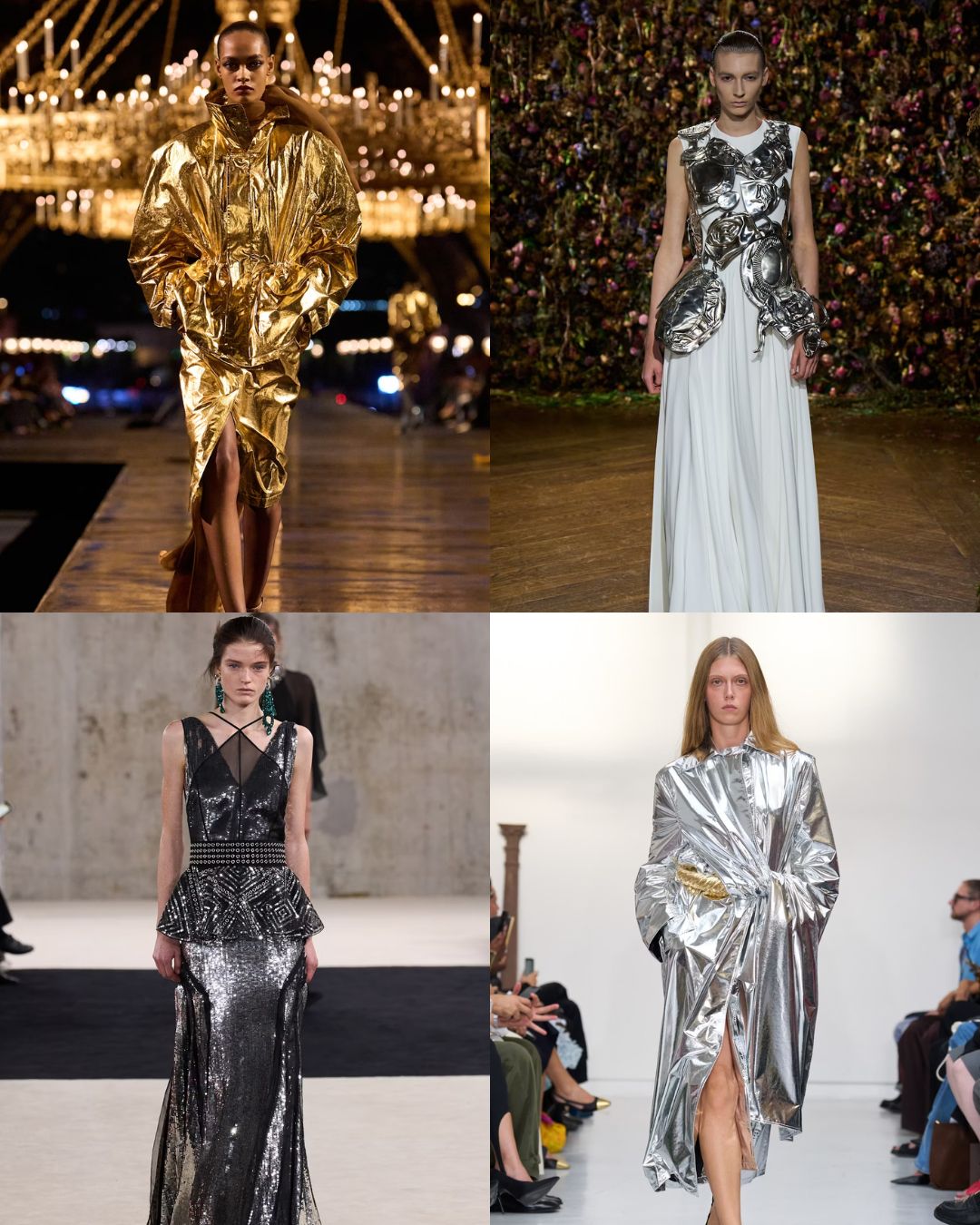
Paris Fashion Week SS27 has officially declared minimalism over, ushering in a breathtaking era of high-impact...
Monday, 05 October 2026 - 11:00
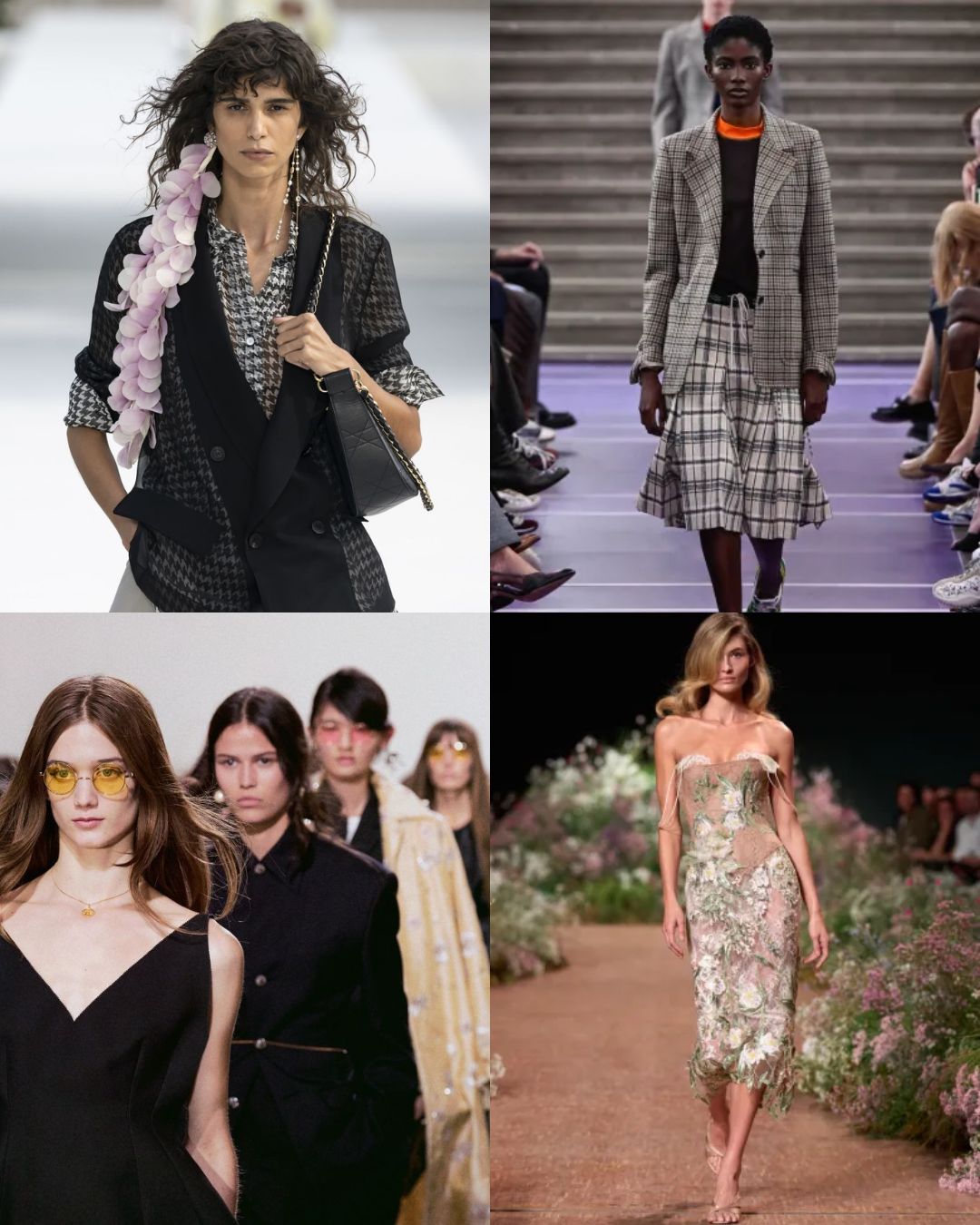
Paris Fashion Week has been nothing short of a whirlwind, turning the French capital into the ultimate...
Tuesday, 29 September 2026 - 13:08
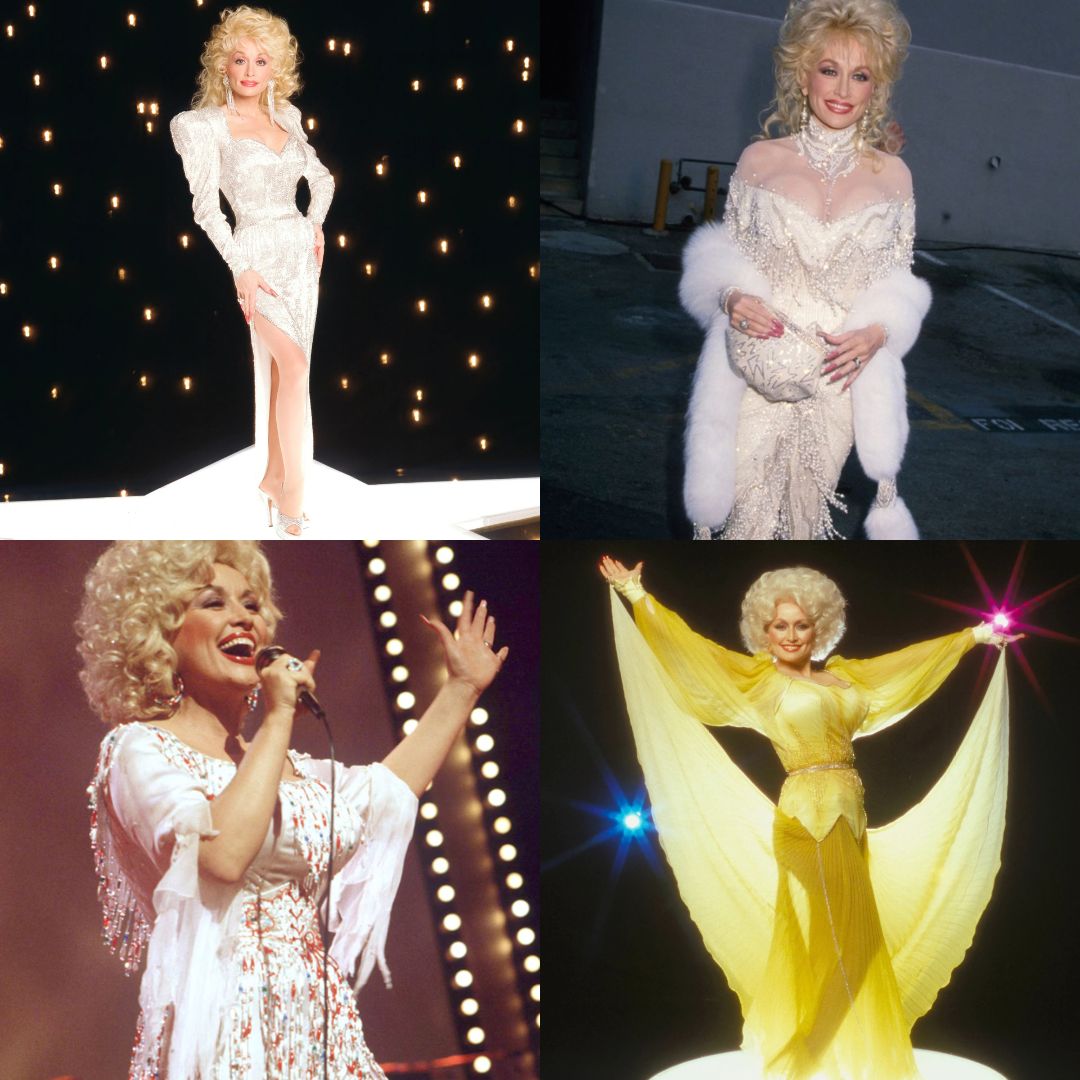
In the world of fashion, true icons are defined not by fleeting trends, but by an unwavering, uncompromising...



Thursday, 15 October 2026

Wednesday, 07 October 2026

Thursday, 01 October 2026

Friday, 16 October 2026

Wednesday, 07 October 2026
Thursday, 01 October 2026
Tuesday, 18 August 2026