
Latest News

How Layered Lighting is Redefining Interior Atmosphere
Friday, 16 October 2026 - 16:28 | Views - 80
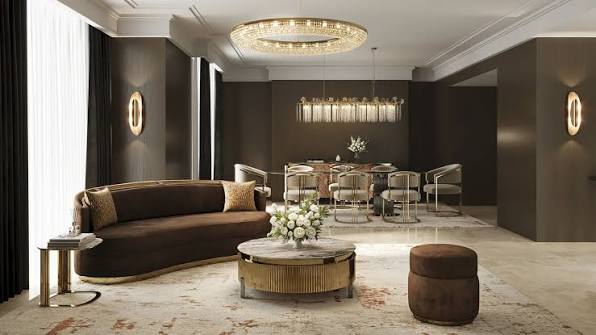
For decades, domestic lighting was treated as a purely functional necessity: flick a switch on the wall, flood the room with overhead glare, and consider the job done. But as interior design shifts toward creating warmer, more restorative spaces, designers and homeowners alike are bidding farewell to the stark, single ceiling fixture.
Enter layered and ambient lighting—a thoughtful approach to illumination that treats light not just as a tool to see by, but as a primary material for shaping atmosphere, comfort, and emotional well-being.
The Death of the "Big Light"
If you’ve heard the term “the big light” used with a hint of disdain on social media, you’re already familiar with this cultural shift. The central ceiling fixture—often cold, unflattering, and overly bright—is being phased out in favor of multi-dimensional lighting schemes.
Relying on a single source of light creates harsh shadows, flattens a room's architectural features, and Signals to our circadian rhythm that it’s high noon, even at 9:00 PM. By contrast, a layered lighting approach mimics natural light by scattering gentle pools of illumination at various heights across a room.
The Three Pillar Framework of Layered Light
To achieve a balanced, adaptable room, designers build lighting schemes using three distinct layers:
1. Ambient (The Base Wash)
This is the general, soft background illumination that replaces harsh downlighting. Instead of direct spotlights, modern ambient light relies on dimmable recessed architectural lighting, indirect LED coves hidden in ceiling moldings, or low-hanging pendants that diffuse light softly through fabric, rattan, or frosted glass.
2. Task (Functional Clarity)
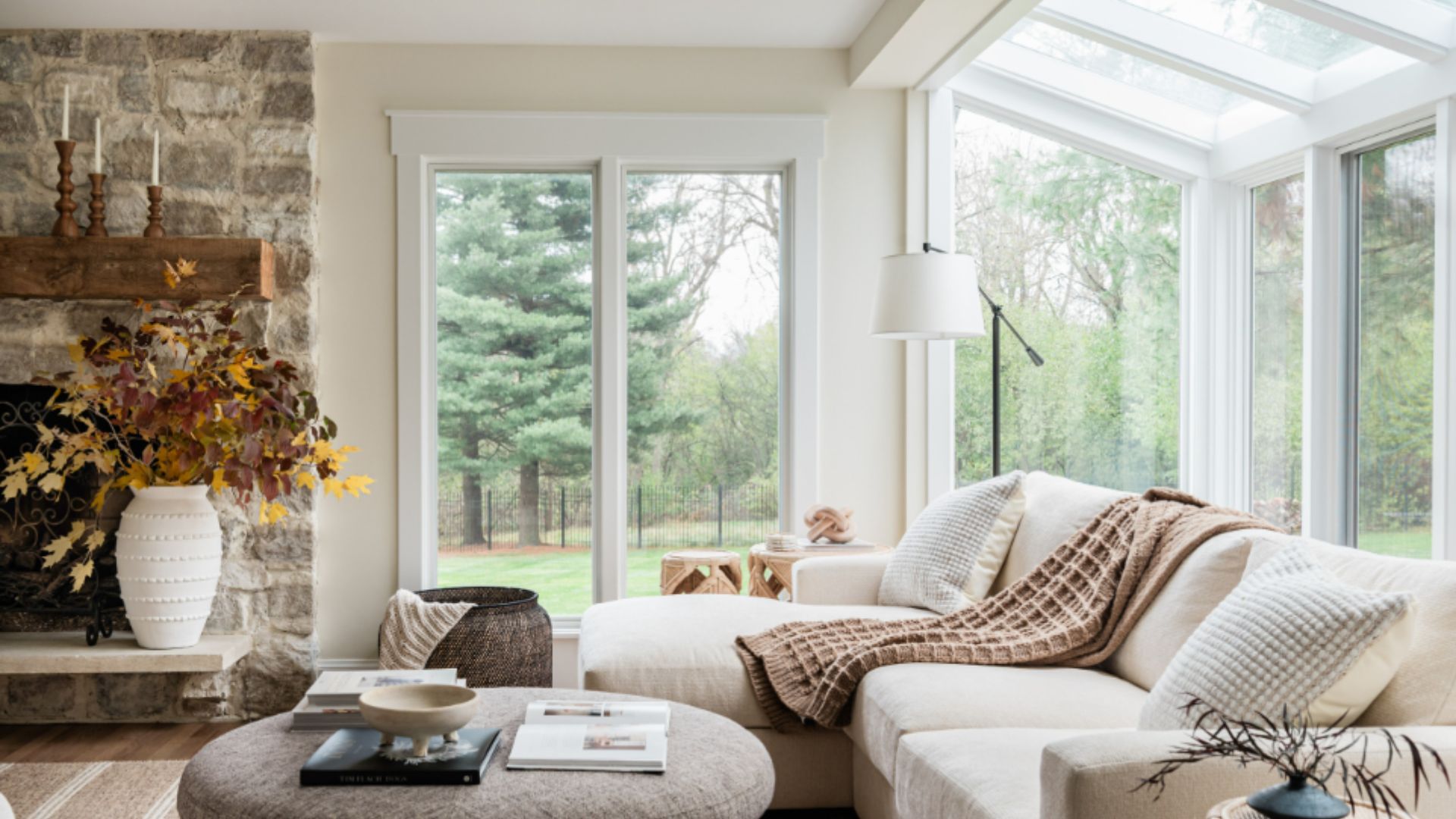
Task lighting provides targeted light exactly where activities happen—reading in an armchair, preparing food on a counter, or working at a desk. The modern approach integrates task lighting seamlessly: directional brass reading sconces mounted beside headboards, adjustable arch lamps over sofa ends, or under-cabinet strip lighting.
3. Accent & Decorative (The Mood Makers)
This is where personal style and atmosphere take center stage. Accent light draws attention to architectural details, artwork, or textures—like a picture light illuminating a painting or a small accent lamp tucked into a bookshelf. Sculptural floor and table lamps act as functional art pieces even when switched off.
Key Elements Driving the Trend
Lighting Fixture Role in Modern Decor Best Placement
Sculptural Table & Floor Lamps Acts as visual anchor and soft eye-level light. Side tables, console tables, beside reading armchairs.
Wall Sconces (Plug-in or Hardwired) Adds vertical dimension without taking up floor/surface space. Flanking mirrors, beside beds, along hallways.
Low-Hung Pendants Defines zones in open-plan layouts. Over dining tables, kitchen islands, or coffee tables.
Cordless/Rechargeable Mini Lamps Provides ultimate flexibility and intimate candle-like glow. Bookshelves, outdoor dining, bar carts, dining tables.
Designing for Rhythm: Transitioning Day to Night
One of the greatest advantages of layered lighting is its ability to transform a single space throughout the day.
Morning & Day: Combine ambient ceiling washes with natural sunlight to keep energy levels elevated and the space feeling bright and expansive.
Early Evening: Turn off top-down ceiling lights entirely. Switch on mid-level fixtures like table lamps and wall sconces to create a relaxed, welcoming environment as you unwind.
Late Night: Dial back to warm, low-wattage accent lights—rechargeable mini-lamps or hidden LED strips—to create an intimate, sanctuary-like environment that prepares the mind for sleep.
Practical Tips to Layer Light in Your Own Space
Embrace Warm Color Temperatures: Stick to bulbs rated between 2700K and 3000K (Warm White). Cold, bluish light (4000K+) breaks the cozy, ambient aesthetic.
Vary the Heights: Position light sources at three distinct eye levels: low (floor lamps/skirting lights), medium (table lamps/sconces), and high (pendants/cove lighting).
Install Dimmers Everywhere: Dimmers give you instant control over the mood, allowing you to tune the intensity of your lights to match the occasion.
Use Portable, Rechargeable Lamps: Small wireless LED lamps are one of the easiest ways to test layered lighting without calling an electrician. Place them on book stacks, windowsills, or deep shelving nooks.
The Bottom Line
Layered lighting transforms a room from a flat, functional enclosure into a rich, tactile experience. By mixing light sources, controlling brightness, and focusing on warm, indirect illumination, you can curate a home that feels cozy, dynamic, and effortlessly atmospheric at any hour of the day.
Would you like to explore specific lighting recommendations for a particular room in your home, or dive into choosing the right bulb temperatures and fixture styles?
Enter layered and ambient lighting—a thoughtful approach to illumination that treats light not just as a tool to see by, but as a primary material for shaping atmosphere, comfort, and emotional well-being.
The Death of the "Big Light"
If you’ve heard the term “the big light” used with a hint of disdain on social media, you’re already familiar with this cultural shift. The central ceiling fixture—often cold, unflattering, and overly bright—is being phased out in favor of multi-dimensional lighting schemes.
Relying on a single source of light creates harsh shadows, flattens a room's architectural features, and Signals to our circadian rhythm that it’s high noon, even at 9:00 PM. By contrast, a layered lighting approach mimics natural light by scattering gentle pools of illumination at various heights across a room.
The Three Pillar Framework of Layered Light
To achieve a balanced, adaptable room, designers build lighting schemes using three distinct layers:
1. Ambient (The Base Wash)
This is the general, soft background illumination that replaces harsh downlighting. Instead of direct spotlights, modern ambient light relies on dimmable recessed architectural lighting, indirect LED coves hidden in ceiling moldings, or low-hanging pendants that diffuse light softly through fabric, rattan, or frosted glass.
2. Task (Functional Clarity)
Task lighting provides targeted light exactly where activities happen—reading in an armchair, preparing food on a counter, or working at a desk. The modern approach integrates task lighting seamlessly: directional brass reading sconces mounted beside headboards, adjustable arch lamps over sofa ends, or under-cabinet strip lighting.
3. Accent & Decorative (The Mood Makers)
This is where personal style and atmosphere take center stage. Accent light draws attention to architectural details, artwork, or textures—like a picture light illuminating a painting or a small accent lamp tucked into a bookshelf. Sculptural floor and table lamps act as functional art pieces even when switched off.
Key Elements Driving the Trend
Lighting Fixture Role in Modern Decor Best Placement
Sculptural Table & Floor Lamps Acts as visual anchor and soft eye-level light. Side tables, console tables, beside reading armchairs.
Wall Sconces (Plug-in or Hardwired) Adds vertical dimension without taking up floor/surface space. Flanking mirrors, beside beds, along hallways.
Low-Hung Pendants Defines zones in open-plan layouts. Over dining tables, kitchen islands, or coffee tables.
Cordless/Rechargeable Mini Lamps Provides ultimate flexibility and intimate candle-like glow. Bookshelves, outdoor dining, bar carts, dining tables.
Designing for Rhythm: Transitioning Day to Night
One of the greatest advantages of layered lighting is its ability to transform a single space throughout the day.
Morning & Day: Combine ambient ceiling washes with natural sunlight to keep energy levels elevated and the space feeling bright and expansive.
Early Evening: Turn off top-down ceiling lights entirely. Switch on mid-level fixtures like table lamps and wall sconces to create a relaxed, welcoming environment as you unwind.
Late Night: Dial back to warm, low-wattage accent lights—rechargeable mini-lamps or hidden LED strips—to create an intimate, sanctuary-like environment that prepares the mind for sleep.
Practical Tips to Layer Light in Your Own Space
Embrace Warm Color Temperatures: Stick to bulbs rated between 2700K and 3000K (Warm White). Cold, bluish light (4000K+) breaks the cozy, ambient aesthetic.
Vary the Heights: Position light sources at three distinct eye levels: low (floor lamps/skirting lights), medium (table lamps/sconces), and high (pendants/cove lighting).
Install Dimmers Everywhere: Dimmers give you instant control over the mood, allowing you to tune the intensity of your lights to match the occasion.
Use Portable, Rechargeable Lamps: Small wireless LED lamps are one of the easiest ways to test layered lighting without calling an electrician. Place them on book stacks, windowsills, or deep shelving nooks.
The Bottom Line
Layered lighting transforms a room from a flat, functional enclosure into a rich, tactile experience. By mixing light sources, controlling brightness, and focusing on warm, indirect illumination, you can curate a home that feels cozy, dynamic, and effortlessly atmospheric at any hour of the day.
Would you like to explore specific lighting recommendations for a particular room in your home, or dive into choosing the right bulb temperatures and fixture styles?






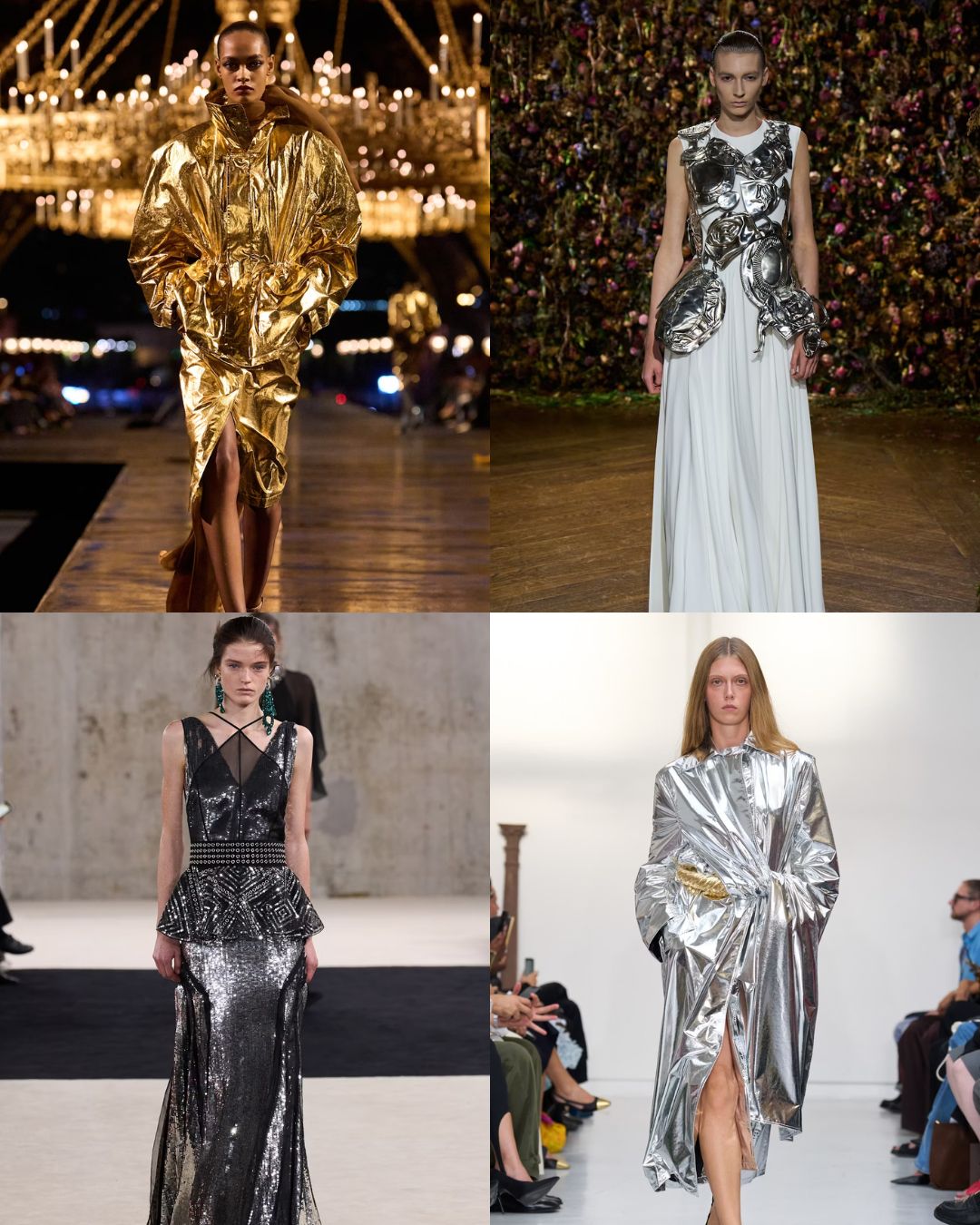
Monday, 12 October 2026 - 12:07
Paris Fashion Week SS27 has officially declared minimalism over, ushering in a breathtaking era of high-impact...
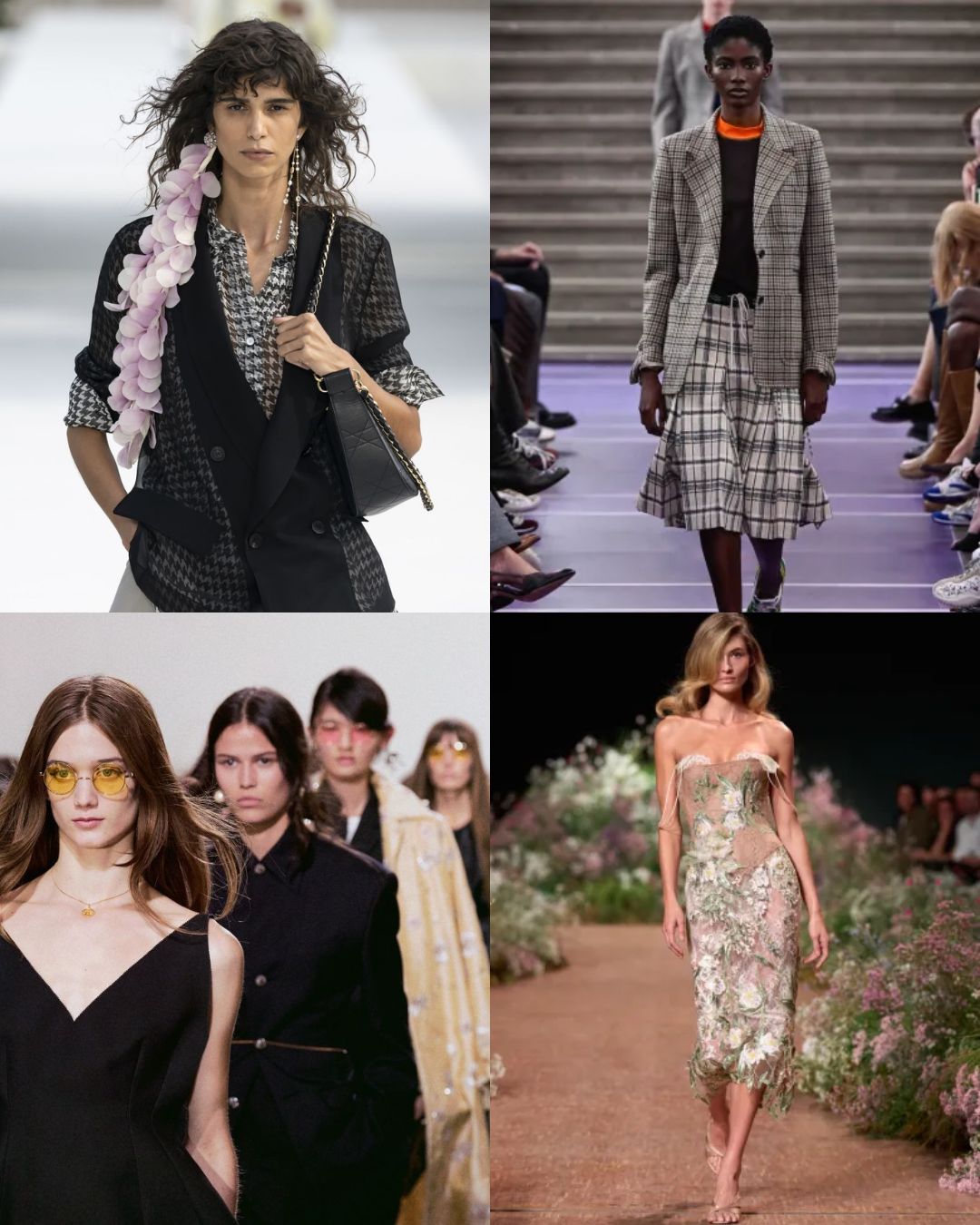
Monday, 05 October 2026 - 11:00
Paris Fashion Week has been nothing short of a whirlwind, turning the French capital into the ultimate...
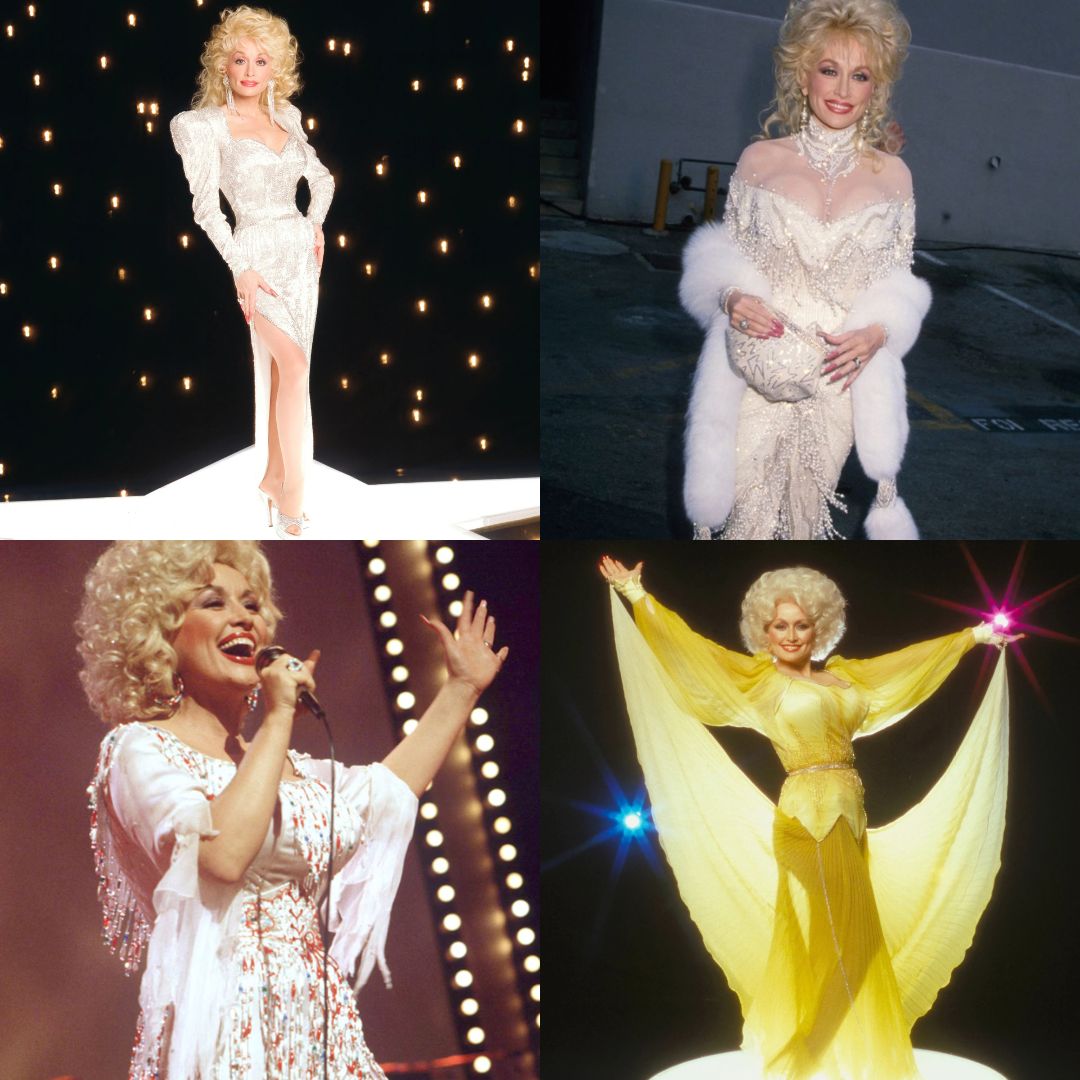
Tuesday, 29 September 2026 - 13:08
In the world of fashion, true icons are defined not by fleeting trends, but by an unwavering, uncompromising...



Thursday, 15 October 2026

Wednesday, 07 October 2026

Thursday, 01 October 2026

Friday, 16 October 2026
Wednesday, 07 October 2026
Thursday, 01 October 2026

Tuesday, 18 August 2026