
Latest News

Embracing Modern Minimalism & Clean Geometry in Home Design
Saturday, 24 October 2026 - 21:43 | Views - 53
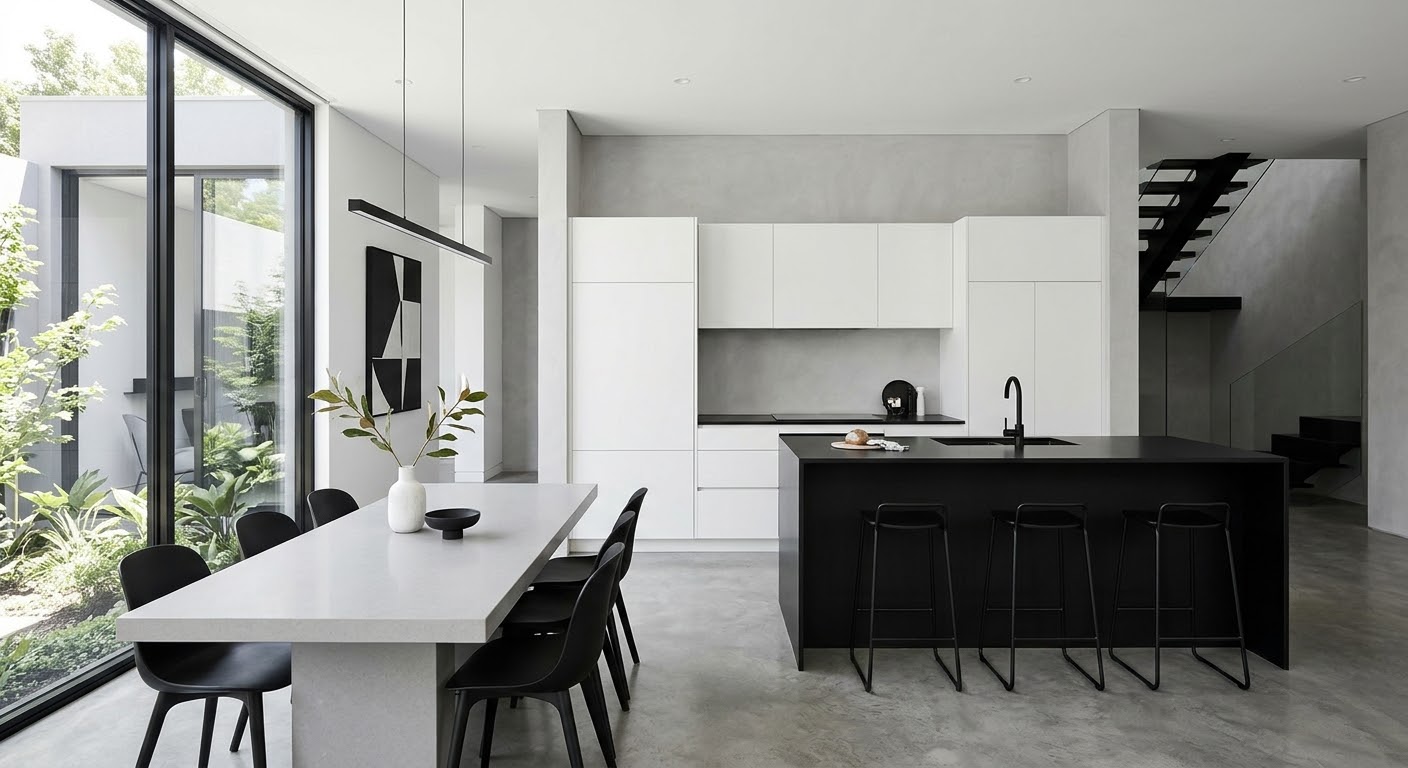
In contemporary interior design and architecture, the trend toward Modern Minimalism and Clean Geometry continues to define how we shape our living environments. Rooted in the philosophy that less is unequivocally more, this movement strips away clutter to reveal the structural purity, balance, and quiet elegance of a space.
By grounding layout and styling in a crisp neutral palette of white, grey, and black—accented by bold, simple lines—homes are transformed into calm sanctuaries that harmonize functionality with gallery-like artfulness.
1. The Monochromatic Palette: Depth in Simplicity
At the heart of modern minimal design lies a restrained palette that brings clarity to spatial boundaries:
- Crisp Whites: Crisp white walls and seamless cabinet fronts serve as a pristine canvas. They maximize ambient light, visually expand room dimensions, and invoke a fresh, airy atmosphere.
- Tactile Greys: Soft grey plastered walls, polished concrete flooring, and solid stone surfaces bridge the contrast between stark white and high-contrast black. Grey introduces soft undertones and subtle industrial texture without cluttering the visual field.
- Bold Blacks: Jet-black elements—such as dark kitchen islands, minimalist bar stools, trim frames, and modern light fixtures—anchor the space. Black acts as architectural graphic shading, guiding the eye and establishing grounded focal points.
2. Structural Lines and Geometric Clarity
Geometry serves as the architectural skeleton of this trend. Every element is chosen for its deliberate shape and purposeful placement:
- Linear Forms: Rectangular dining tables, sharp counter edges, and slender suspended lighting fixtures create sweeping horizontal planes that emphasize width and openness.
- Vertical Architecture: Floor-to-ceiling glass doors, slim vertical pillars, and floating open staircases guide the gaze upward, emphasizing ceiling height and structural geometry.
- Uncluttered Surfaces: Handleless cabinetry, integrated appliances, and clean, seamless transitions ensure visual continuity across different zones.
3. Seamless Indoors-Outdoors Integration
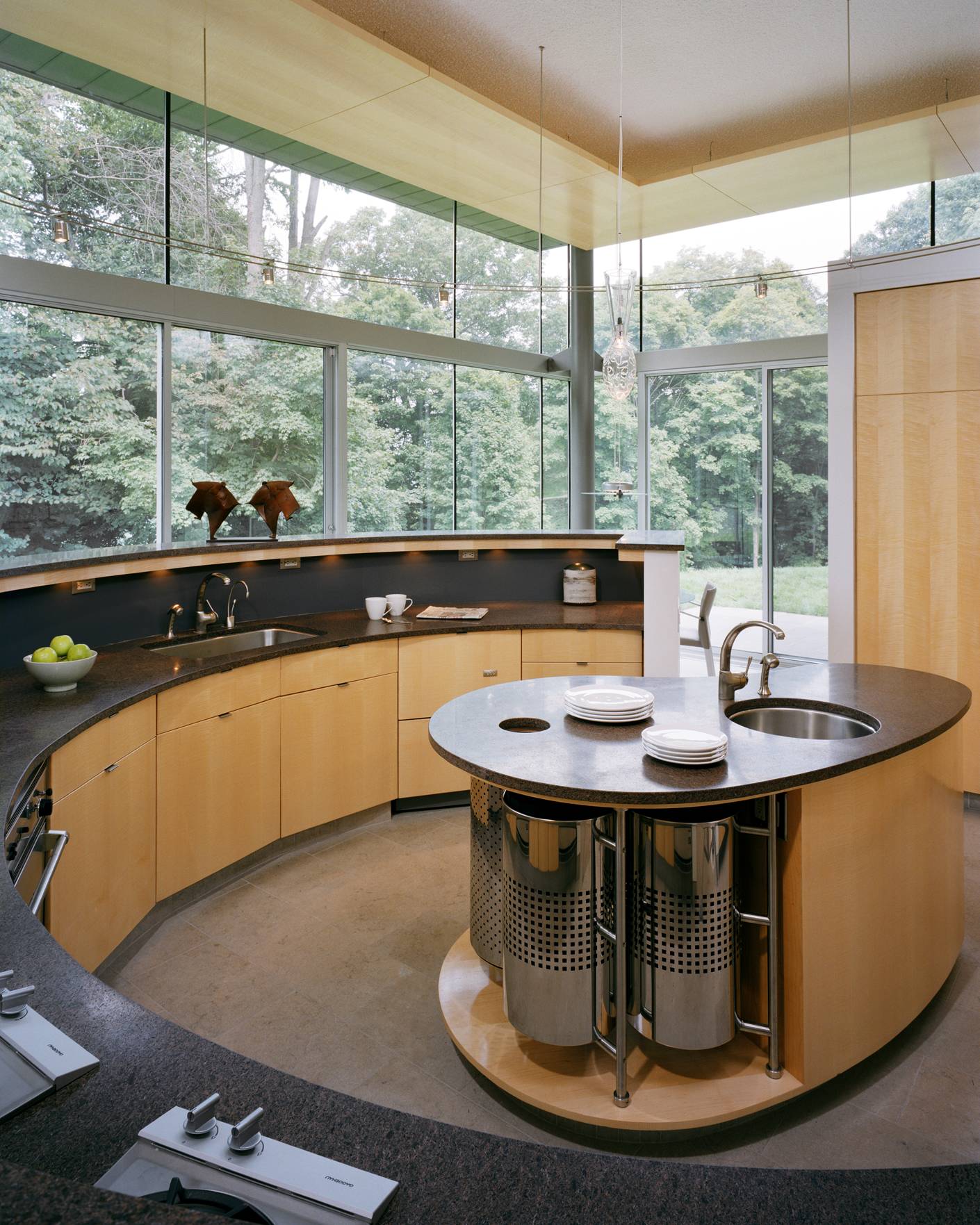
Modern minimal geometry shines brightest when framed by nature. Expansive glass sliders and dark structural framing act as picture windows, framing lush greenery, natural sunlight, and outdoor courtyards.
The organic, organic shapes of indoor plants or outdoor gardens create a striking contrast against the clean, precise lines of concrete, glass, and steel, ensuring the space feels living, organic, and inviting rather than sterile.
4. Key Elements to Bring the Look Home
To achieve this refined aesthetic in your own home:
- Focus on Quality Materials: Prioritize tactile surfaces like matte-finish quartz, honed concrete, brushed metal, and smooth plaster.
- Declutter Public Views: Utilize concealed storage and handle-free cabinetry to keep everyday tools and belongings out of sight.
- Select Statement Graphic Art: Choose a few select pieces of high-contrast abstract art or geometric sculptural decor to accentuate blank walls.
- Invest in Architectural Lighting: Opt for slim linear pendants, recessed spotlights, or subtle strip LEDs that highlight room contours without overwhelming the aesthetic.
Conclusion
Modern Minimalism combined with Clean Geometry is far more than a passing style trend; it is a timeless design approach focused on clarity, function, and refined elegance. By pairing strong black-and-white accents with soft grey textures and deliberate linear structures, homes achieve a quiet sophistication that stands the test of time.







Monday, 19 October 2026 - 10:25
The sixth annual Academy Museum Gala lit up Los Angeles as stars gathered in support of the Academy Museum...
Monday, 12 October 2026 - 12:07
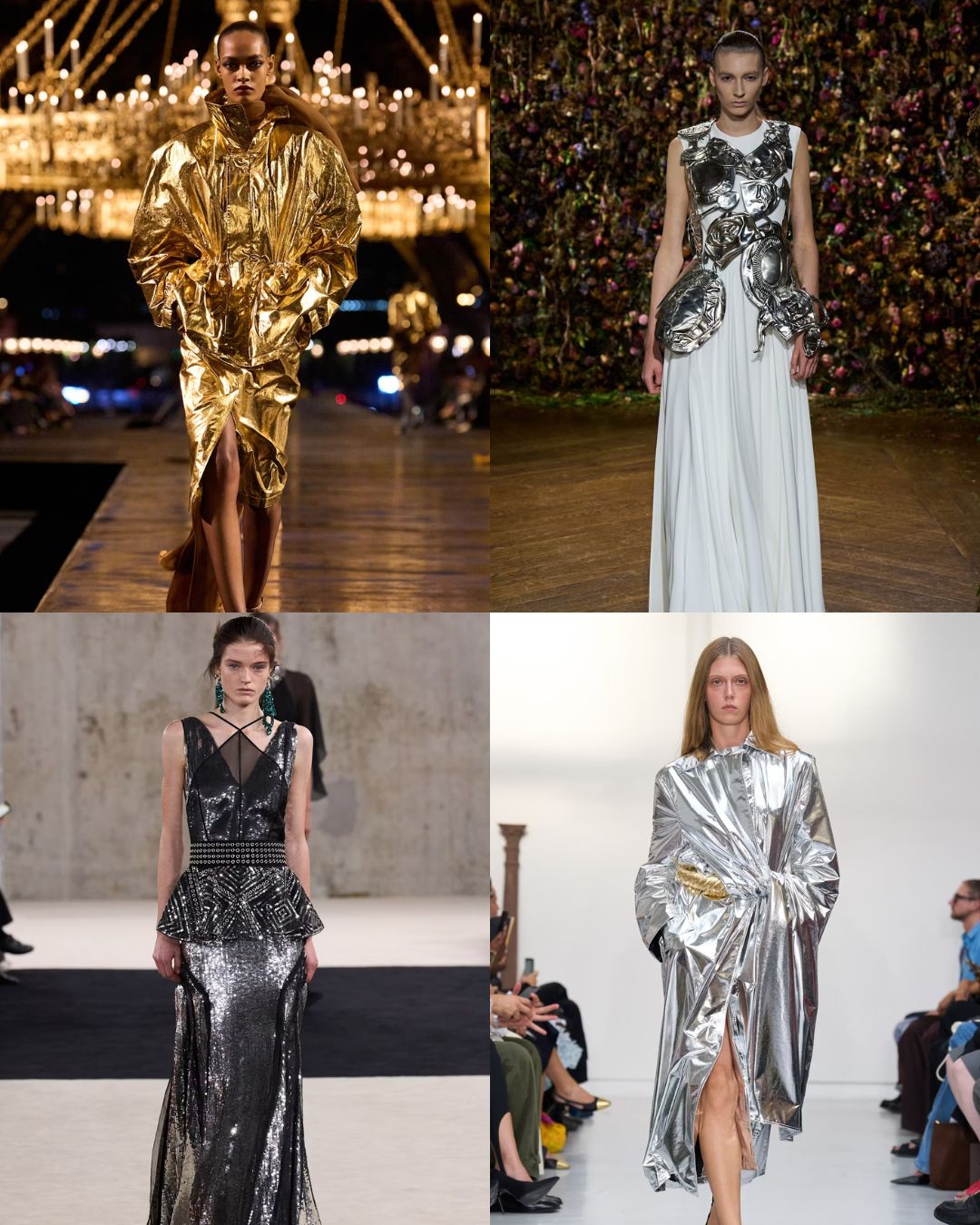
Paris Fashion Week SS27 has officially declared minimalism over, ushering in a breathtaking era of high-impact...
Monday, 05 October 2026 - 11:00
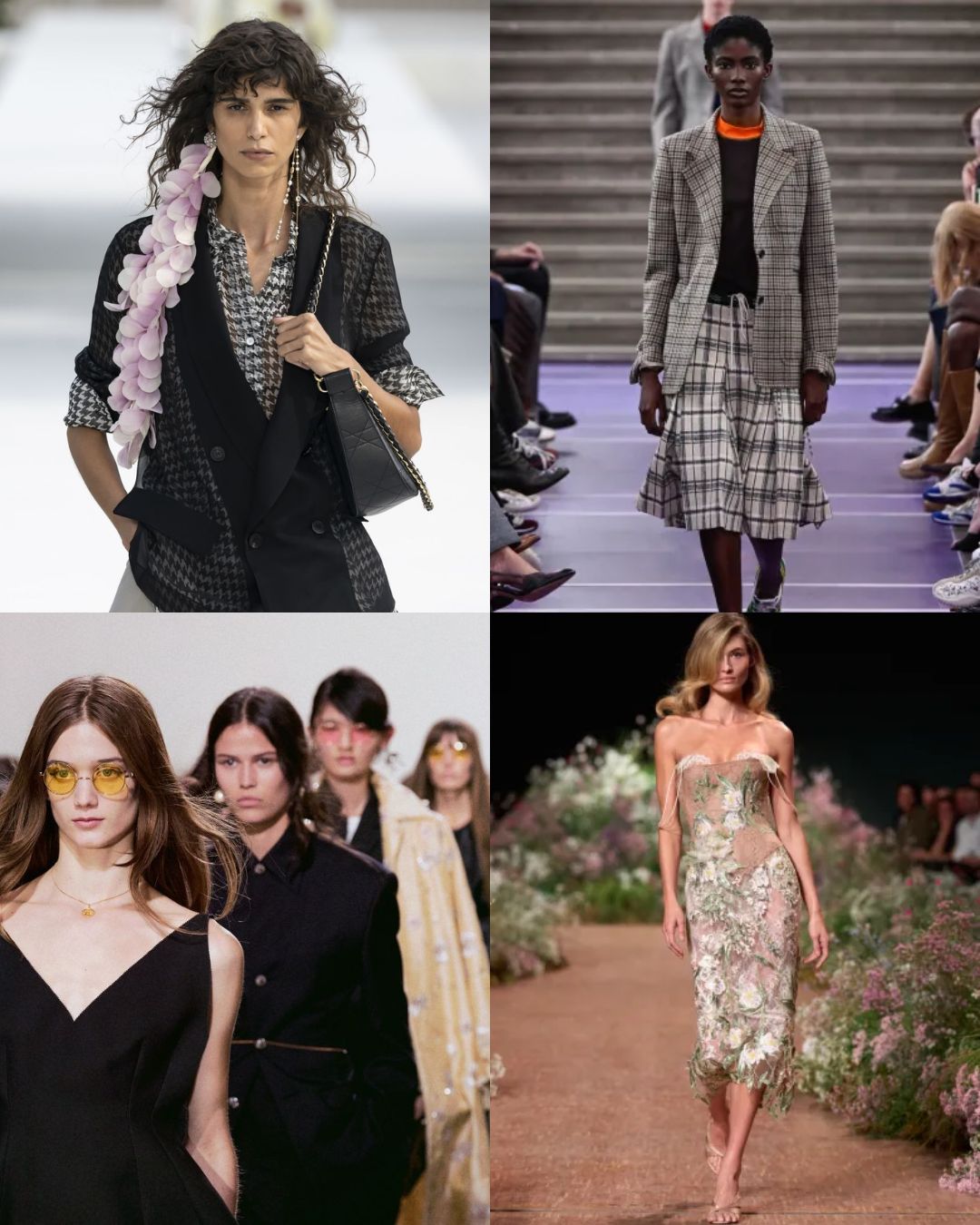
Paris Fashion Week has been nothing short of a whirlwind, turning the French capital into the ultimate...



Saturday, 24 October 2026

Thursday, 15 October 2026

Wednesday, 07 October 2026

Saturday, 24 October 2026
Friday, 16 October 2026
Wednesday, 07 October 2026
Thursday, 01 October 2026