
Latest News

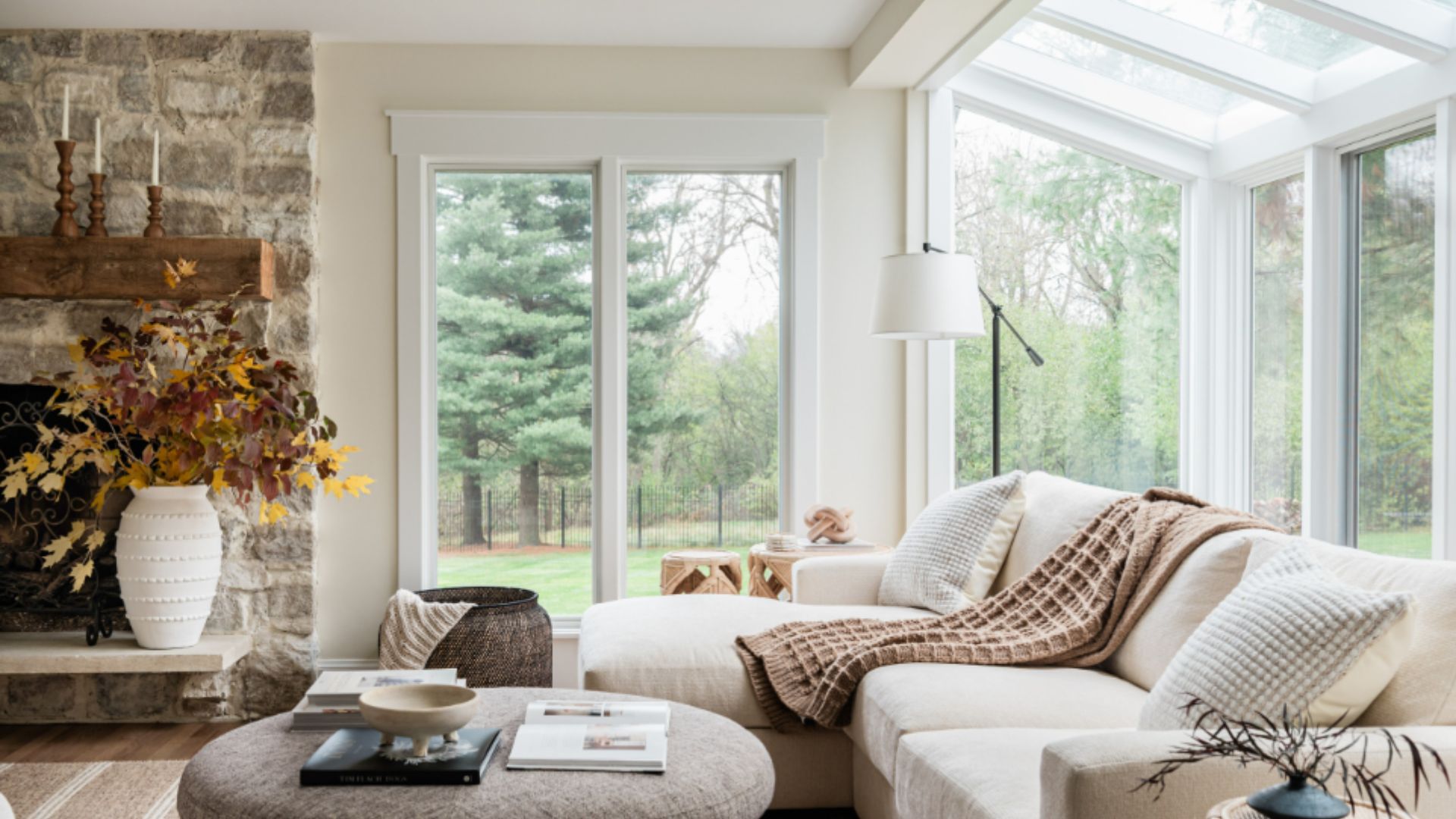
How Curves and Furniture-Style Pieces Are Redefining Modern Kitchen Layouts
Thursday, 01 October 2026 - 13:30 | Views - 84
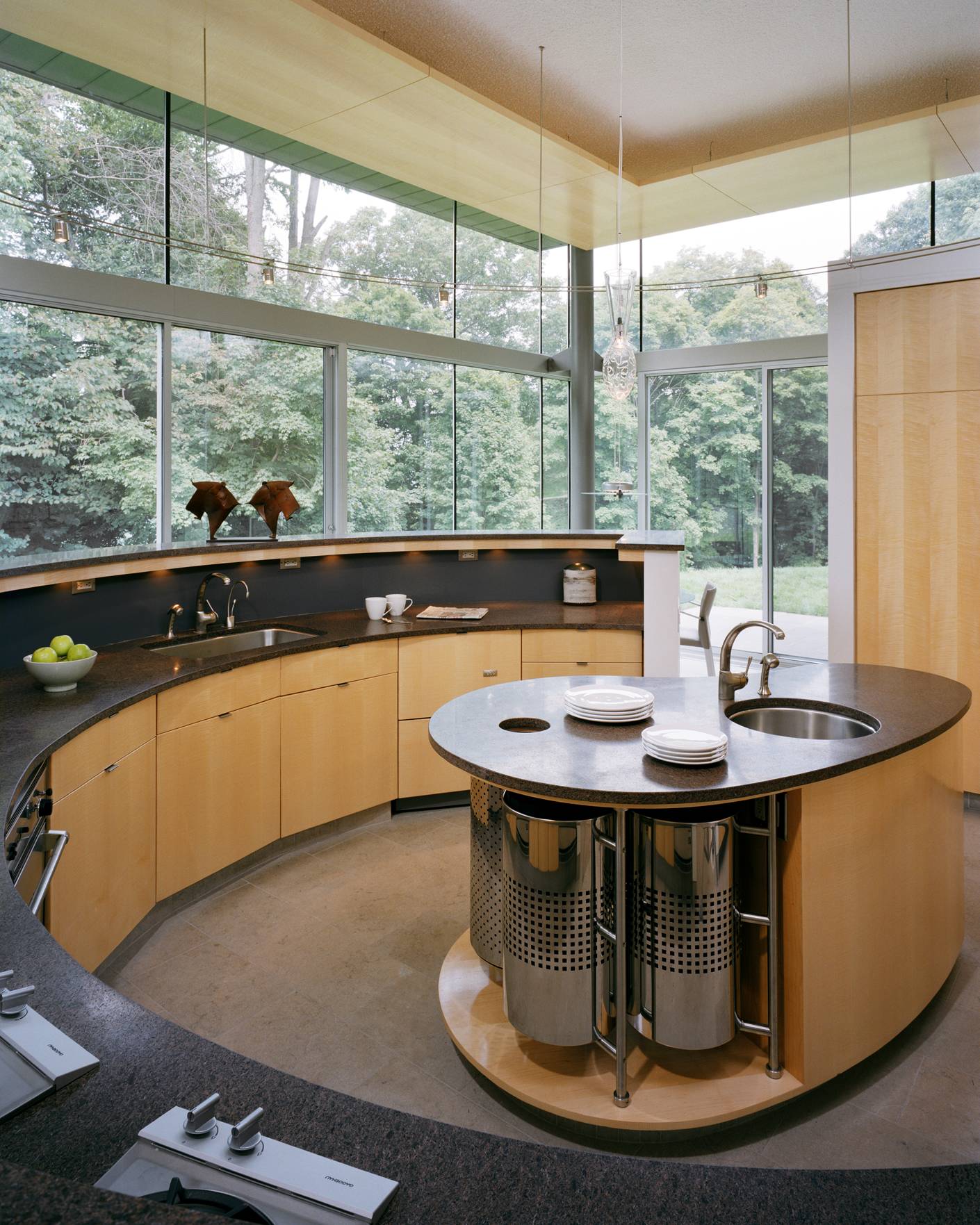
For decades, the modern kitchen was defined by rigid geometry. Sharp right angles, uniform rows of identical cabinet boxes, and clinical, wall-to-wall layouts dominated interior architecture. While efficient, these sterile designs often made the kitchen feel detached from the rest of the home—a strictly utilitarian workspace rather than an inviting social hub.
Today, that paradigm is shifting dramatically. Interior designers and homeowners are leaning into an architectural movement defined by soft curves and furniture-style cabinetry. By breaking away from traditional boxy configurations, kitchens are becoming softer, more organic, and deeply personalized living spaces.
The Rise of Organic Fluidity: Curves and Arches
One of the most noticeable design evolutions is the departure from sharp, intimidating corners. Modern layouts embrace fluidity to improve both traffic flow and visual harmony.
-
Islands with Softened Edges: Traditional rectangular islands are giving way to pill-shaped, oval, and organically curved countertops. These rounded silhouettes not only remove sharp corners that can be hazardous in busy households, but they also soften the heavy mass of a large island.
-
Sculptural Range Hoods and Arches: Arched entryways, rounded pantry doors, and custom range hoods with sweeping, curved plaster profiles introduce classical architectural depth. These elements transform functional components into artistic statement pieces.
-
Flow and Ergonomics: In high-traffic spaces, curved corners make movement around the kitchen much more natural and intuitive, eliminating the awkward hip-bumps associated with sharp granite overhangs.
Blurring the Lines: Furniture-Style Cabinetry
Simultaneously, the kitchen is shedding its industrial identity by adopting design cues from the living room and bedroom. Cabinets are no longer treated as permanent architectural walls, but rather as bespoke furniture.
-
Freestanding-Inspired Pieces: Islands and lower cabinets are increasingly designed with visible legs, intricate toe-kicks, and plinths that mimic antique sideboards or dressers. This creates visual breathing room beneath the cabinets, making the entire room feel larger and less heavy.
-
Bespoke Millwork and Details: Glass-front hutch cabinets, plate racks, open shelving integrated with brackets, and furniture-grade paneling bring a crafted, collected-over-time feel.
-
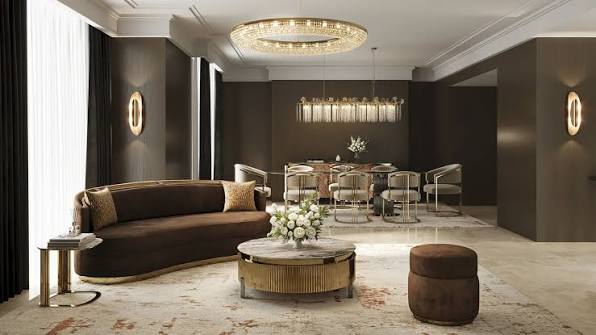
Harmonizing with Living Spaces: As open-concept floor plans continue to reign, furniture-style kitchen pieces act as a visual bridge. A kitchen island designed to resemble a fine dining table or a credenza seamlessly unites cooking zones with adjacent dining and family rooms.
Bringing It All Together
The integration of curves and furniture-like elements represents a deeper cultural shift in how we view the home. The kitchen is no longer a hidden workspace reserved solely for meal preparation; it is the beating heart of the household. By softening the edges and introducing warm, human-scaled furniture details, modern layouts create an environment that feels welcoming, elegant, and intimately connected to the people who use it.







Monday, 19 October 2026 - 10:25
The sixth annual Academy Museum Gala lit up Los Angeles as stars gathered in support of the Academy Museum...
Monday, 12 October 2026 - 12:07
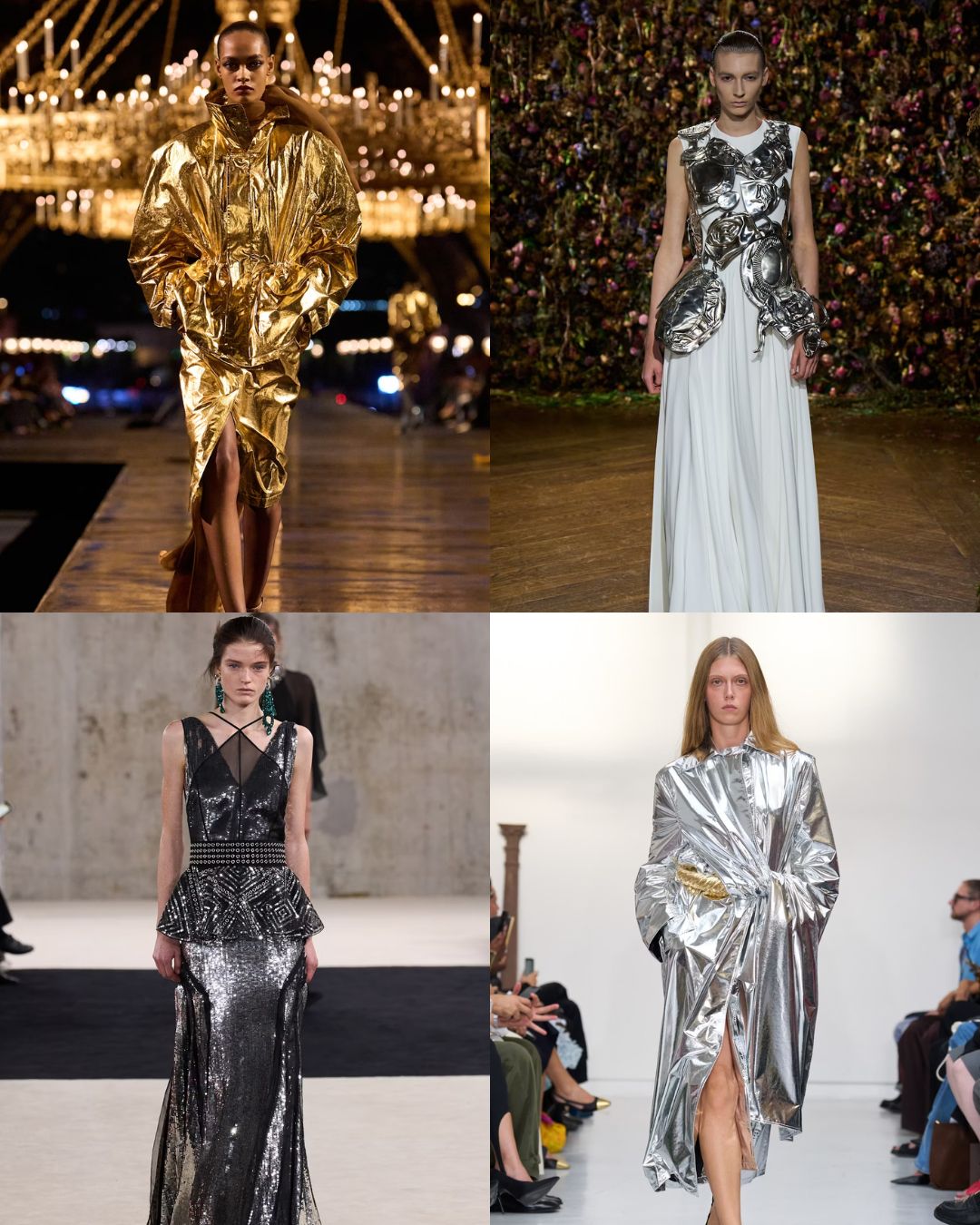
Paris Fashion Week SS27 has officially declared minimalism over, ushering in a breathtaking era of high-impact...
Monday, 05 October 2026 - 11:00
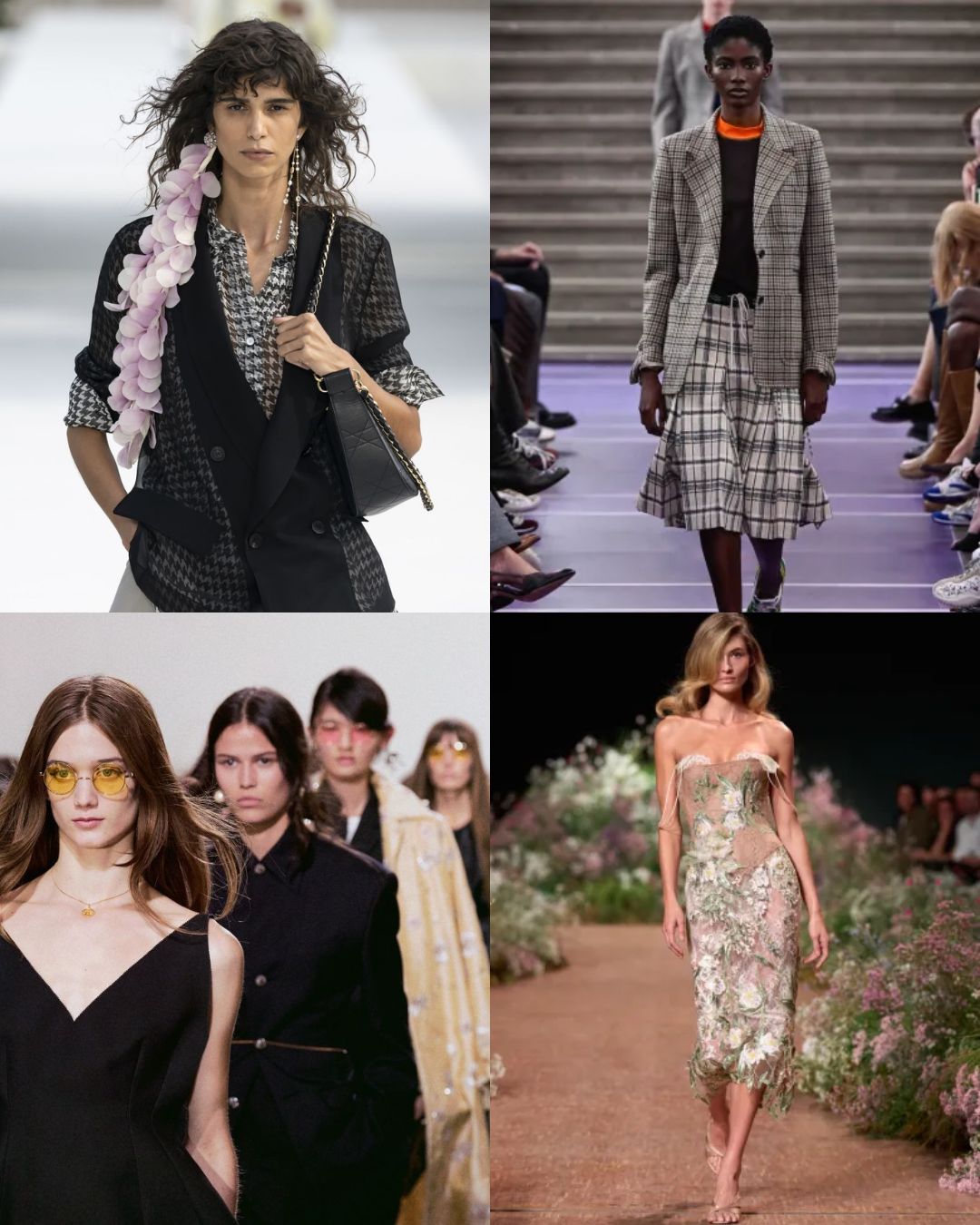
Paris Fashion Week has been nothing short of a whirlwind, turning the French capital into the ultimate...



Thursday, 15 October 2026

Wednesday, 07 October 2026

Thursday, 01 October 2026

Friday, 16 October 2026
Wednesday, 07 October 2026
Thursday, 01 October 2026
Tuesday, 18 August 2026