
Latest News

From Wild Roamer to Happy Homebody: A Guide to Indoor Transition
Tuesday, 10 March 2026 - 16:12 | Views - 264
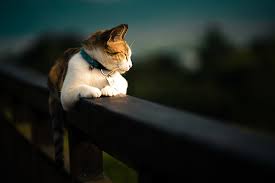
The Transition Strategy: From Explorer to Homebody
Understanding the Shift
When a cat roams, they are hunting, climbing, and patrolling territory. To keep them happy inside, you aren't just locking a door; you are becoming their Director of Entertainment. If the indoor environment is boring, they will spend their day meowing at the door or trying to bolt.
Step 1: The Health and Safety Check
Before you start the transition, ensure your home is a sanctuary.
-
Microchip and Tags: Even though the goal is to stay inside, "escape artists" are common during the first few weeks. Make sure their info is up to date.
-
Window Security: Check that all screens are sturdy. A cat used to being outside might try to push through a flimsy screen if they see a bird.
Step 2: Create an Indoor "Territory"
Your cat needs to feel like they own the indoors.
-
Vertical Space: Cats feel safe when they are high up. Provide cat trees, wall shelves, or cleared-off tops of bookshelves.
-
The View: Give them a "Cat TV" by placing a perch next to a window. If you can put a bird feeder outside that window, even better.
Step 3: High-Intensity Play
The biggest reason cats want to go outside is to burn energy. You must replace the hunt.
-
Scheduled Sessions: Use wand toys to mimic the movement of birds or mice. Do this for 15 minutes twice a day.
-
The "Eat-Work" Method: Stop using standard bowls. Use puzzle feeders or hide small piles of kibble around the house so they have to "hunt" for their dinner.
Your 4-Week Transition Plan







Monday, 27 July 2026 - 9:40
After years dominated by hyper-saturated trend cycles and sleek, ultra-smooth minimalism, fashion has...

Monday, 20 July 2026 - 9:35
The era of hyper-rigid seasonal dress codes has quietly dissolved. Where personal style once demanded...
Monday, 08 June 2026 - 18:35
There was a time when sleek, unadorned surfaces and flat printed graphics defined what it meant to be...



Wednesday, 23 September 2026

Tuesday, 25 August 2026

Thursday, 13 August 2026


Tuesday, 18 August 2026

Tuesday, 28 July 2026

Monday, 20 July 2026

Friday, 15 May 2026