
Latest News

The Circles of Meaning: Culture, Power, and Identity in Jewelry
Tuesday, 05 May 2026 - 16:55 | Views - 206
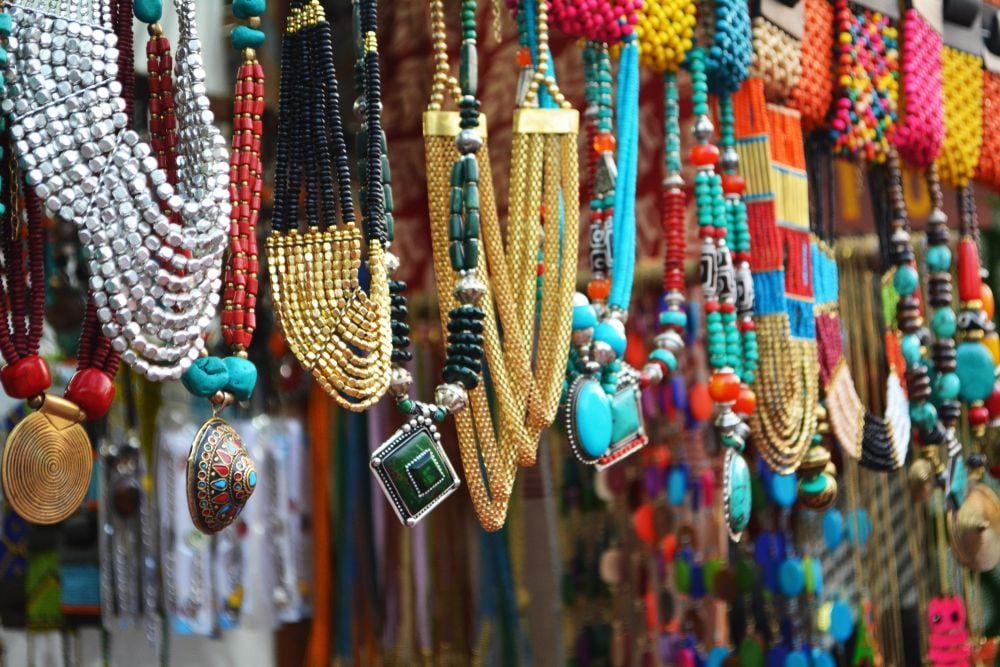
Jewelry is often admired for its beauty—its shimmer, craftsmanship, and ability to elevate personal style. Yet across cultures and throughout history, jewelry has carried meanings far deeper than decoration. It has functioned as a marker of identity, a store of wealth, a spiritual tool, and a reflection of social structures. Like fashion, jewelry reveals how societies understand value, belonging, and power.
Adornment and Identity
In many cultures, jewelry is closely tied to identity. Specific pieces can indicate age, marital status, community affiliation, or social rank. For example, certain necklaces, bangles, or earrings may be worn only during particular life stages or ceremonies. These adornments act as visual language, allowing individuals to communicate who they are without words. Even subtle variations in material or design can carry distinct cultural meanings.
Ritual and Spiritual Significance
Beyond aesthetics, jewelry often plays a central role in spiritual and religious practices. Amulets, talismans, and symbolic charms are believed to offer protection, bring luck, or connect the wearer to the divine. Materials themselves may hold sacred value—gold for its purity, silver for its reflective qualities, or specific stones for their perceived energies. In this way, jewelry becomes a bridge between the physical and spiritual worlds.
Craftsmanship and Cultural Knowledge
The making of jewelry is often rooted in generations of knowledge. Techniques such as metalworking, beadwork, carving, and stone-setting are passed down through communities, preserving both skill and cultural memory. Each method reflects local resources and traditions, from intricate filigree work to bold, sculptural forms. These practices are not just technical—they embody stories, values, and histories embedded in the craft.
Trade, Exchange, and Transformation
Jewelry has long been shaped by trade and cross-cultural exchange. Materials like gemstones, pearls, and metals have traveled across continents, connecting distant regions through commerce. As these materials moved, so did ideas and styles. Designs evolved as cultures encountered one another, resulting in new forms that blended influences. While this exchange enriched artistic expression, it also reflected unequal systems of trade and access.
Status, Wealth, and Power
In many societies, jewelry has functioned as a visible display of wealth and authority. Precious metals and rare stones signal economic power, while elaborate designs may indicate high social standing. In some cases, laws or customs restricted who could wear certain types of jewelry, reinforcing social hierarchies. At the same time, jewelry has served as portable wealth—objects that can be passed down, traded, or used as financial security.
Colonial Influence and Global Markets
Colonial histories have also shaped the production and perception of jewelry. Regions rich in natural resources were often integrated into global supply chains that prioritized extraction over local benefit. Gemstones and metals were removed, processed, and sold in ways that shifted control away from local artisans. Meanwhile, designs from colonized cultures were sometimes adopted and reinterpreted in foreign markets, often without acknowledgment of their origins.
Aesthetic Borrowing and Cultural Meaning
As with fashion, jewelry has been subject to aesthetic borrowing. Motifs, patterns, and techniques from one culture may be incorporated into another, sometimes losing their original significance in the process. What may hold ceremonial or symbolic meaning in one context can be reduced to a purely decorative trend in another. This raises ongoing questions about cultural appreciation, appropriation, and respect.
Jewelry as Resistance and Continuity
Despite external pressures, many communities have maintained and adapted their jewelry traditions as acts of resilience. Wearing culturally significant pieces can assert identity, preserve heritage, and challenge dominant narratives. In diasporic contexts, jewelry often becomes a powerful link to ancestral roots, carrying memory across generations and geographies.
Modern Revival and Ethical Awareness
Today, there is a growing awareness of the histories behind jewelry. Consumers and designers are increasingly interested in ethical sourcing, fair labor practices, and cultural authenticity. Movements to revive traditional techniques and support local artisans are gaining momentum, highlighting the importance of sustainability and cultural respect. Jewelry is being reimagined not just as an accessory, but as a meaningful object shaped by history and responsibility.
Continuity in Transformation
Jewelry continues to evolve, shaped by changing values and global connections. Yet its core functions—expression, symbolism, and connection—remain constant. By looking beyond its surface, we can better understand how jewelry reflects the complexities of culture, power, and identity, and how it continues to carry stories across time.







Monday, 27 July 2026 - 9:40
After years dominated by hyper-saturated trend cycles and sleek, ultra-smooth minimalism, fashion has...
Monday, 20 July 2026 - 9:35
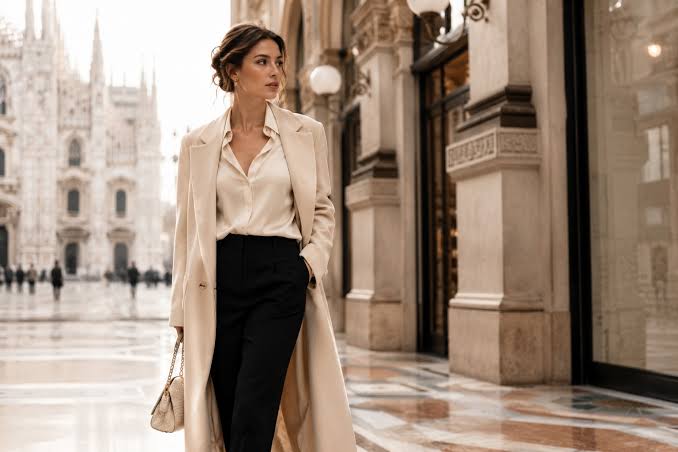
The era of hyper-rigid seasonal dress codes has quietly dissolved. Where personal style once demanded...
Monday, 08 June 2026 - 18:35
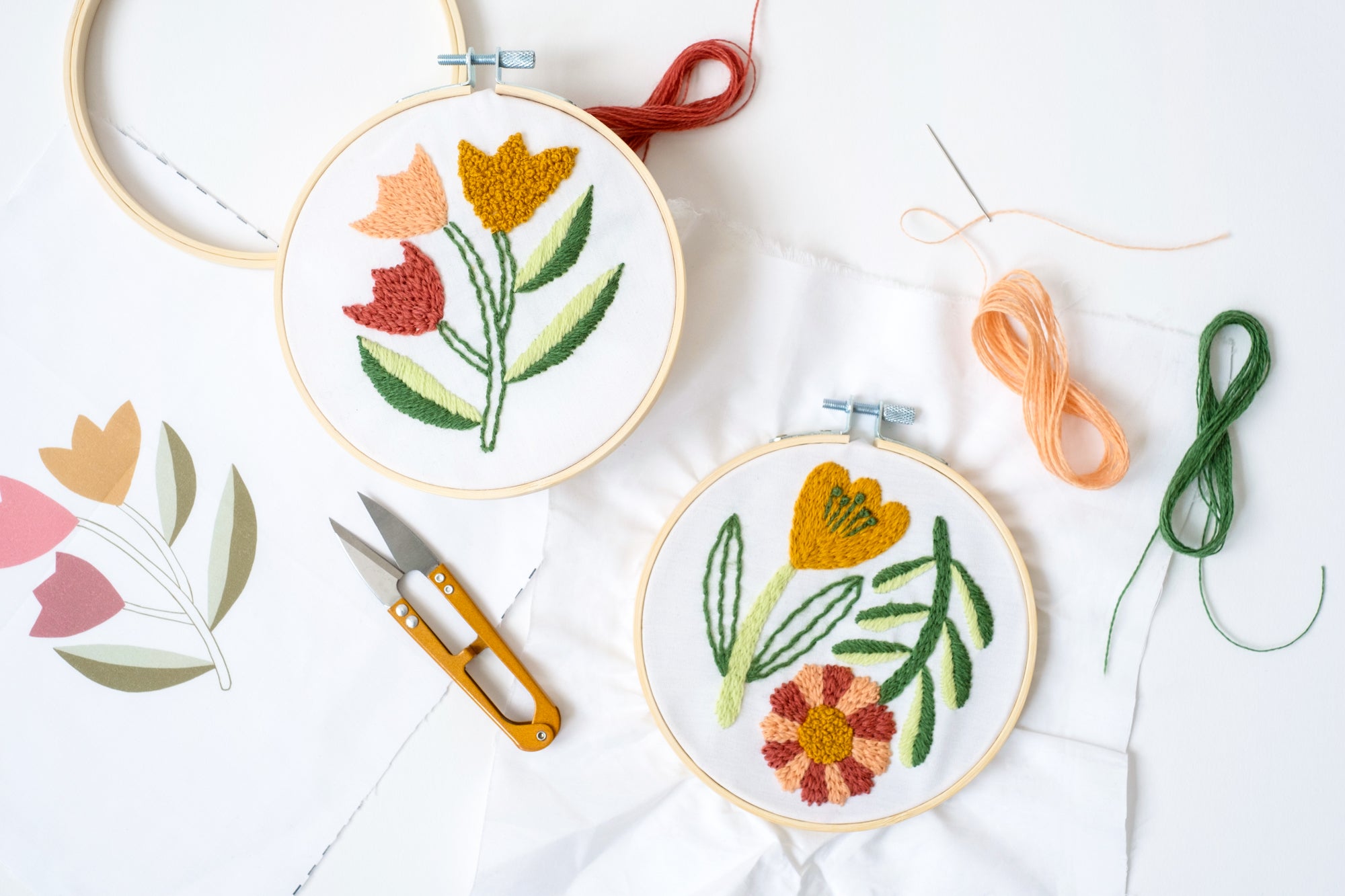
There was a time when sleek, unadorned surfaces and flat printed graphics defined what it meant to be...



Wednesday, 23 September 2026

Tuesday, 25 August 2026

Thursday, 13 August 2026


Tuesday, 18 August 2026

Tuesday, 28 July 2026

Monday, 20 July 2026

Friday, 15 May 2026