
Latest News

Marnus Labuschagne, Steven Smith lead Australia towards tall first-innings total
Friday, 03 January 2020 - 13:14 | Views - 653
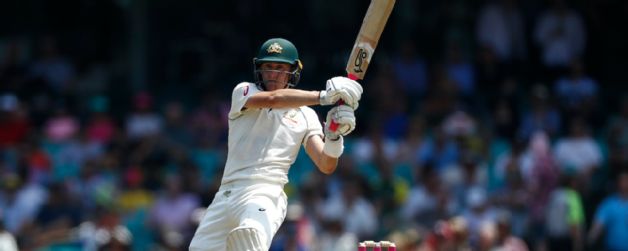
Marnus Labuschagne, Steven Smith and David Warner set the foundation for another stout Australian first innings by guiding the hosts to 2 for 182 at tea against a severely depleted New Zealand on day one of the New Year's Test at the SCG.
Australia's captain Tim Paine chose to bat first upon winning the toss, and Warner, Labuschagne and Joe Burns were able to defend soundly enough to avoid the possibility of early wickets in conditions that afforded some subtle movement to New Zealand's bowlers.
When Warner was out immediately after lunch, Smith started with the deadest of bats to see off Neil Wagner - he did not score a run until his 39th ball - before he gradually took control in the company of the growing ever-reliable Labuschagne.
The visitors were forced into no fewer than five changes to their team from the MCG Test. Flu-like illness swept through the visiting team in the lead-up to the match, ruling out the captain Kane Williamson alongside Henry Nicholls and Mitchell Santner.
Tom Latham was named New Zealand's 30th Test captain, with Jeet Raval recalled, Glenn Phillips making debut, and Todd Astle, William Somerville and Matt Henry coming into the bowling attack in place of Santner, Tim Southee and Trent Boult. Henry was preferred over Southee on account of the former being physically fresher for the task.
Conditions at the SCG were somewhat overcast to begin with, and the pitch has a combination of green grass and bare patches that should rough up to take increasing amounts of spin as the game goes on. The skies began to clear shortly after the start of Australia's innings, as Henry shared the new ball with Colin de Grandhomme, with Wagner kept in reserve.
Perhaps unsurprisingly given all the changes, neither Henry nor de Grandhomme was able to get the length right for long enough to test Warner or Burns in the first hour, even though the occasional full delivery showed plenty of potential for movement in the air and off the pitch.
As a consequence, Warner and Burns were able to get Australia off to a sound start, although Burns' discomfort when the ball was pitched up remained obvious throughout the first session. Latham eventually swung de Grandhomme around to the Randwick end and immediately found the reward, when a ball of fullish length moved away from the line of middle and off stump, turning Burns around in defence and taking an outside edge through to Ross Taylor at first slip.
Labuschagne immediately showed his proactive approach by moving well forward and across to look to cover the movement, and alongside Warner, he helped move the scoreboard along with greater urgency and an increasing amount of ease over time.
Latham called upon the former New South Wales offspinner Somerville for three morning overs before Astle delivered the final over of the opening session in bright sunshine. Wagner returned after lunch and his short balls did for Warner, who pulled a legside delivery around the corner and into the hands of de Grandhomme, who did well to hold on at leg gully.
Smith, who had spoken before the match about how he had rationalised his series so far as an effective blunting of New Zealand even though Wagner had dismissed him four times, took things to another level of obduracy as he blocked out Wagner and Astle for almost 45 minutes before starting to score.
Labuschagne's rate was much steadier, and he had little trouble passing 50 for the sixth time in seven Test innings this season, and by the tea interval looked to be well on the way to a fourth century in the same sequence. New Zealand, for all their efforts, had another tall Australian first innings staring in the face.







Monday, 27 July 2026 - 9:40
After years dominated by hyper-saturated trend cycles and sleek, ultra-smooth minimalism, fashion has...

Monday, 20 July 2026 - 9:35
The era of hyper-rigid seasonal dress codes has quietly dissolved. Where personal style once demanded...
Monday, 08 June 2026 - 18:35
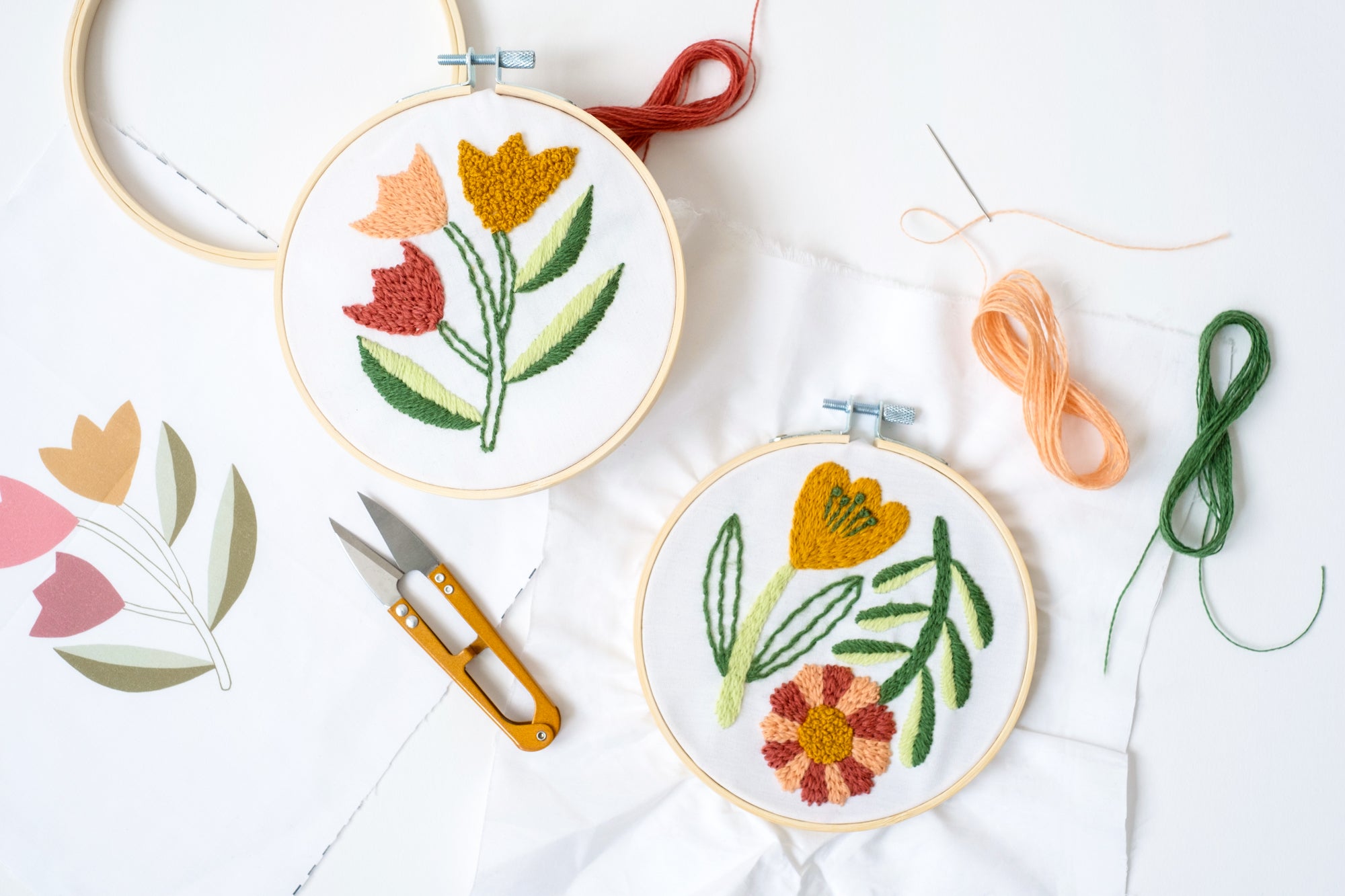
There was a time when sleek, unadorned surfaces and flat printed graphics defined what it meant to be...



Thursday, 13 August 2026

Wednesday, 05 August 2026

Thursday, 30 July 2026


Tuesday, 18 August 2026

Tuesday, 28 July 2026

Monday, 20 July 2026
Friday, 15 May 2026