
Latest News

State of the Nation: Welsh wonders
Thursday, 21 March 2019 - 14:40 | Views - 642
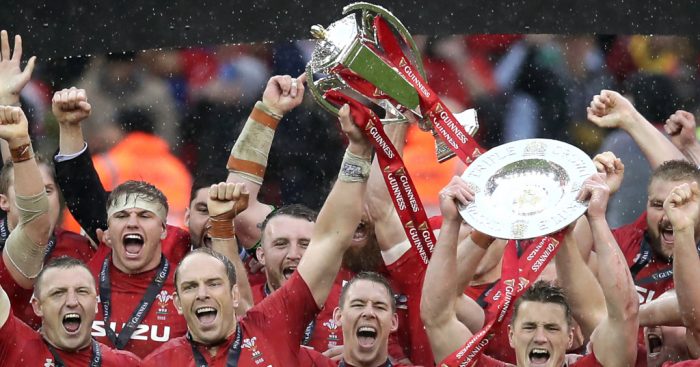
With the Six Nations done and dusted for another year, we look at the state of affairs in each of the competing nations. Last up, it’s Wales.
It is fair to say that the country is still in a state of delirium at the moment, even a few days after their outstanding Saturday afternoon, and who can blame them? A third Grand Slam under Warren Gatland – their first since 2012 – is a remarkable achievement and one which puts them very much in the World Cup mix.
In a tournament which contained an Ireland side that were highly fancied and an England team that were almost at full strength following their spate of injuries in 2018, Gatland’s men were simply too good over the past seven weeks.
The defence was ferocious, which saw them concede just 65 points in five matches, while they were clinical in the opposition half. Although the attack didn’t necessarily fire, they still had enough creativity and power to cause problems for the better sides.
Particularly against the Red Rose, who had come off the back of a couple of fine victories, the players adapted magnificently in the second period. They had struggled with the visitors’ physicality in the first half, but responded superbly and almost out-Englanded, England. The hosts went through the guts of a rearguard that had been incredibly stout and wore them down for 33 phases before Cory Hill crossed the whitewash.
It epitomised the Welsh effort throughout the competition. It wasn’t their best display, though, which they saved for the final day of the championship against Joe Schmidt’s charges.
Wales dominated the 2018 Grand Slam winners for 79 minutes, going 25-0 up through Hadleigh Parkes’ try and Gareth Anscombe’s accurate kicking and, although Jordan Larmour saved some face late on, it didn’t dampen the home side’s spirits.
The country duly revelled in another superb victory under the guidance of Gatland and deservedly so. However, once the celebrations die down, the attention will shift to the World Cup in Japan where Wales will be among the favourites.
It is worth remembering that they have won the Six Nations without Taulupe Faletau, who will bolster their attacking game when he returns, while Ellis Jenkins, Aaron Shingler and Leigh Halfpenny were also missing.
Should the absentees be minimal before and during the global competition then they will be a significant threat.
There is a question mark, however, and it centres around the team’s results against the Rugby Championship main trio, particularly at World Cups. Like in 2011, where they faced Ireland, it may not matter in the quarter-finals, with England, France and Argentina in Pool C, but at some point they will have to overcome those issues.
Wales have the Wallabies in their group and, although the result of that encounter may not ultimately matter, with them likely to make it through to the last-eight regardless, it will be a good indicator of their form. Despite defeating Australia in November – their first win over the two-time world champions in a decade – it wasn’t convincing and, on neutral territory, they won’t have that fervent Cardiff crowd behind them, so it will be an important test of their capabilities.
Still, Gatland has created a remarkably resilient outfit and one which are always well-prepared when it gets to the big tournament every four years. There is no reason for it to be different this time around. In fact, they are in a better place than in the 2011 and ’15 versions and, providing they can get to Japan unscathed and not endure too many injuries throughout those few weeks, then Wales are genuine contenders.






Monday, 27 July 2026 - 9:40
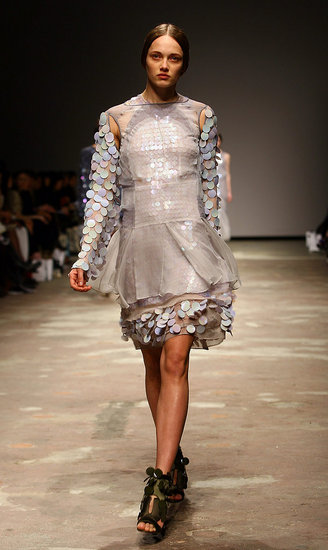
After years dominated by hyper-saturated trend cycles and sleek, ultra-smooth minimalism, fashion has...

Monday, 20 July 2026 - 9:35
The era of hyper-rigid seasonal dress codes has quietly dissolved. Where personal style once demanded...
Monday, 08 June 2026 - 18:35
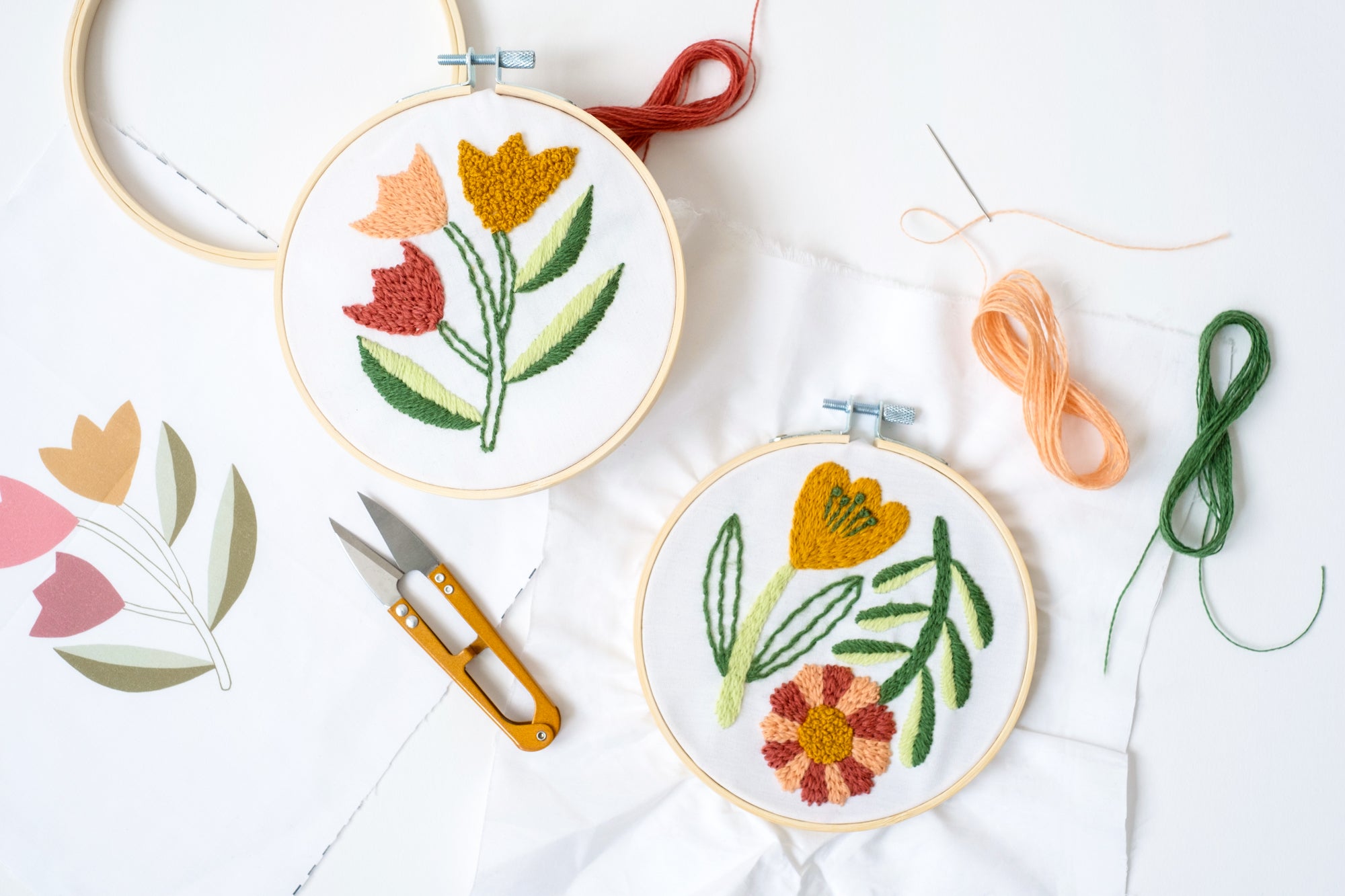
There was a time when sleek, unadorned surfaces and flat printed graphics defined what it meant to be...



Thursday, 13 August 2026

Wednesday, 05 August 2026

Thursday, 30 July 2026


Tuesday, 18 August 2026

Tuesday, 28 July 2026

Monday, 20 July 2026
Friday, 15 May 2026