
Latest News

Trump’s theory of global power faces a reckoning in Iran and Canada
Tuesday, 25 August 2026 - 16:14 | Views - 119
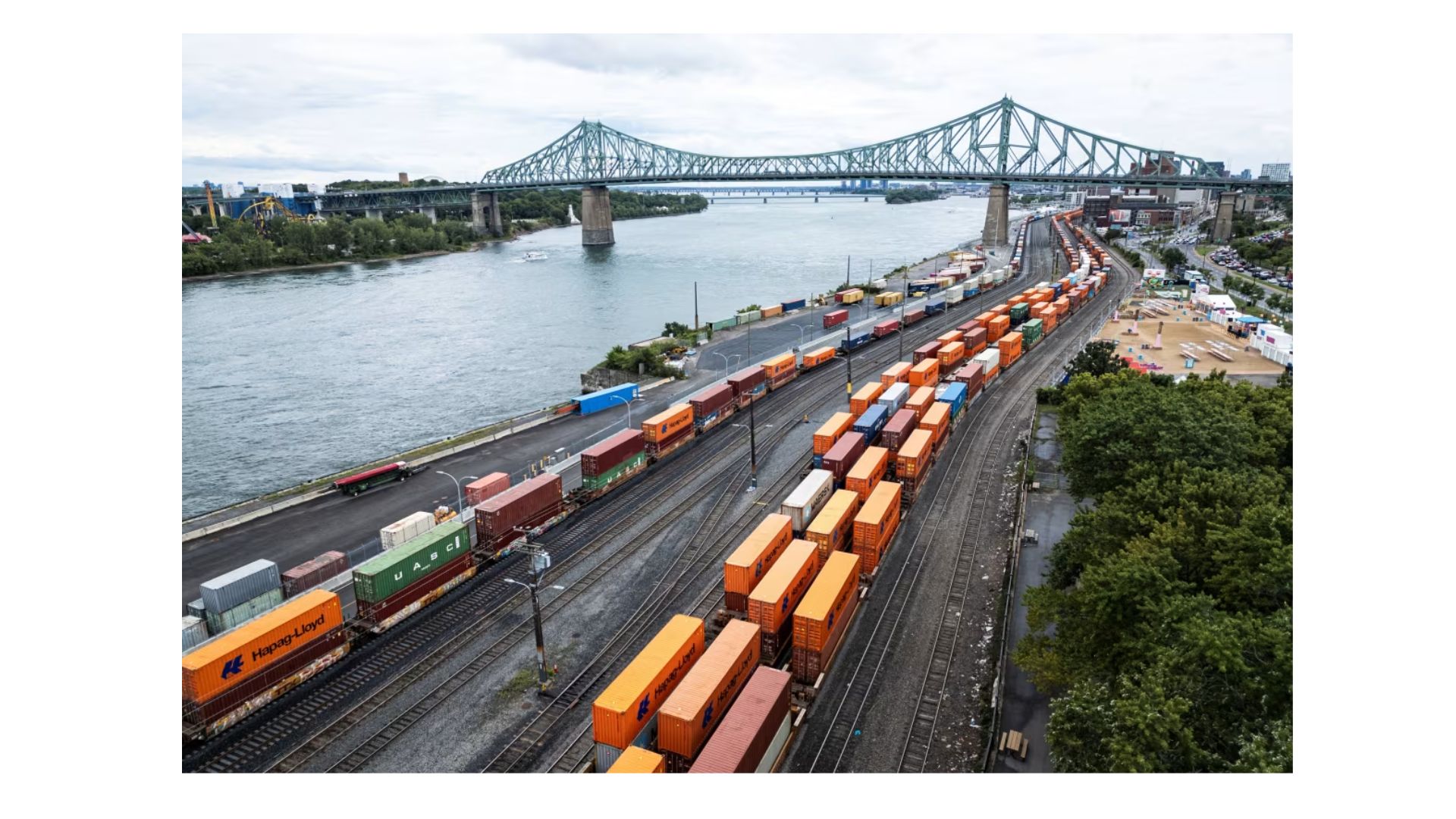
Donald Trump’s presidency rests on the premise that he and the United States are so powerful that allies and enemies alike must submit to his will.
His break with decades of US foreign policy doctrine is laced through his speeches and national security strategies. It was best explained in January by top aide Stephen Miller, who told CNN’s Jake Tapper that “iron laws” dictate a real world that is “governed by strength, that is governed by force, that is governed by power.”
But the philosophy faces its most serious tests in deepening showdowns with Iran and Canada.
Iran has defied the might of the US military for six months in a war Trump started but has been unable to end.
Canada’s Prime Minister Mark Carney, who shut down trade talks with Washington, has meanwhile argued more forcefully than any other Western leader that the US under Trump “has changed.” He told his country Saturday that Trump was using “economic integration as a weapon.”
It is a commentary on the extreme disruption of the Trump era that Canada, one of America’s most loyal friends, has found itself in a similar state of economic warfare with the US as Iran, one of Washington’s worst foes.
But the Trump administration left no doubt Monday what it wants as it fights a trade war with Ottawa and a shooting war with Tehran.
Treasury Secretary Scott Bessent announced an “economic onslaught” against Iran’s global financial connections, drawing an analogy with the D-Day invasion that turned the tide in World War II.
Trump, meanwhile warned on social media that “The U.S.A. will always be far bigger, richer, and stronger than Canada.” He added: “Someone should get these clowns to ‘fall in line.’”
Will Trump stay the course?
The administration’s rhetoric Monday suggests that Trump is now sending the US economy to war.
Trump hopes to chalk up a lopsided trade deal with Canada and to finally bring about the downfall of Iran’s regime.
But the way forward is uncertain on both fronts because the president often backs down when the economic consequences of his attempts to assert his authority become clear.
Any prolonged US effort to prevail over Canada and Iran — and third-party nations sanctioned in his bid to shut down Tehran’s financial networks — could trigger retaliation that causes energy and food price hikes for US consumers. It could also rattle US markets at a time when some investors fear a bond crisis.
If Monday’s threats are the precursor to more TACOs (“Trump always chickens out”), the president will undermine his own power and the nation’s, and slip closer to lame-duck status as difficult midterm elections loom in November.
His break with decades of US foreign policy doctrine is laced through his speeches and national security strategies. It was best explained in January by top aide Stephen Miller, who told CNN’s Jake Tapper that “iron laws” dictate a real world that is “governed by strength, that is governed by force, that is governed by power.”
But the philosophy faces its most serious tests in deepening showdowns with Iran and Canada.
Iran has defied the might of the US military for six months in a war Trump started but has been unable to end.
Canada’s Prime Minister Mark Carney, who shut down trade talks with Washington, has meanwhile argued more forcefully than any other Western leader that the US under Trump “has changed.” He told his country Saturday that Trump was using “economic integration as a weapon.”
It is a commentary on the extreme disruption of the Trump era that Canada, one of America’s most loyal friends, has found itself in a similar state of economic warfare with the US as Iran, one of Washington’s worst foes.
But the Trump administration left no doubt Monday what it wants as it fights a trade war with Ottawa and a shooting war with Tehran.
Treasury Secretary Scott Bessent announced an “economic onslaught” against Iran’s global financial connections, drawing an analogy with the D-Day invasion that turned the tide in World War II.
Trump, meanwhile warned on social media that “The U.S.A. will always be far bigger, richer, and stronger than Canada.” He added: “Someone should get these clowns to ‘fall in line.’”
Will Trump stay the course?
The administration’s rhetoric Monday suggests that Trump is now sending the US economy to war.
Trump hopes to chalk up a lopsided trade deal with Canada and to finally bring about the downfall of Iran’s regime.
But the way forward is uncertain on both fronts because the president often backs down when the economic consequences of his attempts to assert his authority become clear.
Any prolonged US effort to prevail over Canada and Iran — and third-party nations sanctioned in his bid to shut down Tehran’s financial networks — could trigger retaliation that causes energy and food price hikes for US consumers. It could also rattle US markets at a time when some investors fear a bond crisis.
If Monday’s threats are the precursor to more TACOs (“Trump always chickens out”), the president will undermine his own power and the nation’s, and slip closer to lame-duck status as difficult midterm elections loom in November.







Monday, 27 July 2026 - 9:40
After years dominated by hyper-saturated trend cycles and sleek, ultra-smooth minimalism, fashion has...

Monday, 20 July 2026 - 9:35
The era of hyper-rigid seasonal dress codes has quietly dissolved. Where personal style once demanded...

Monday, 08 June 2026 - 18:35
There was a time when sleek, unadorned surfaces and flat printed graphics defined what it meant to be...



Tuesday, 25 August 2026
Thursday, 13 August 2026
Wednesday, 05 August 2026


Tuesday, 18 August 2026

Tuesday, 28 July 2026

Monday, 20 July 2026

Friday, 15 May 2026