
Latest News

MID-CENTURY MODERN DESIGN: THE REVOLUTION OF FORM, FUNCTION, AND NATURE
Tuesday, 28 July 2026 - 9:15 | Views - 230
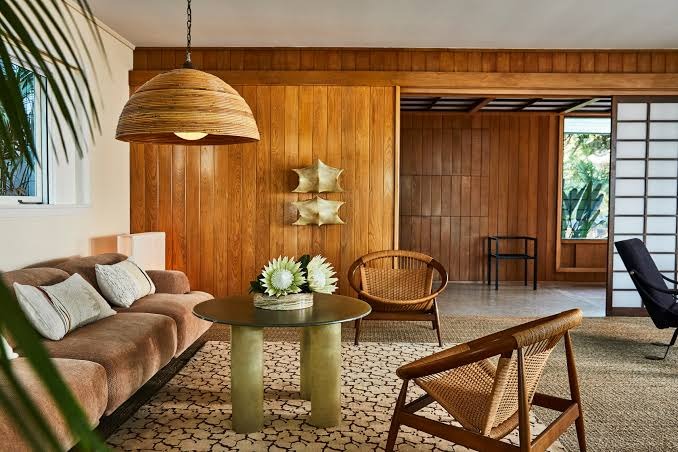
Emerging in the post-World War II era roughly between the mid-1940s and late 1960s, Mid-Century Modern design reshaped how people lived by merging structural efficiency with human-centered warmth. Driven by post-war optimism and advancements in mass manufacturing, architects and designers set out to break away from ornate, heavy historical styles in favor of clean lines, functional spaces, and an unpretentious connection to the surrounding landscape.
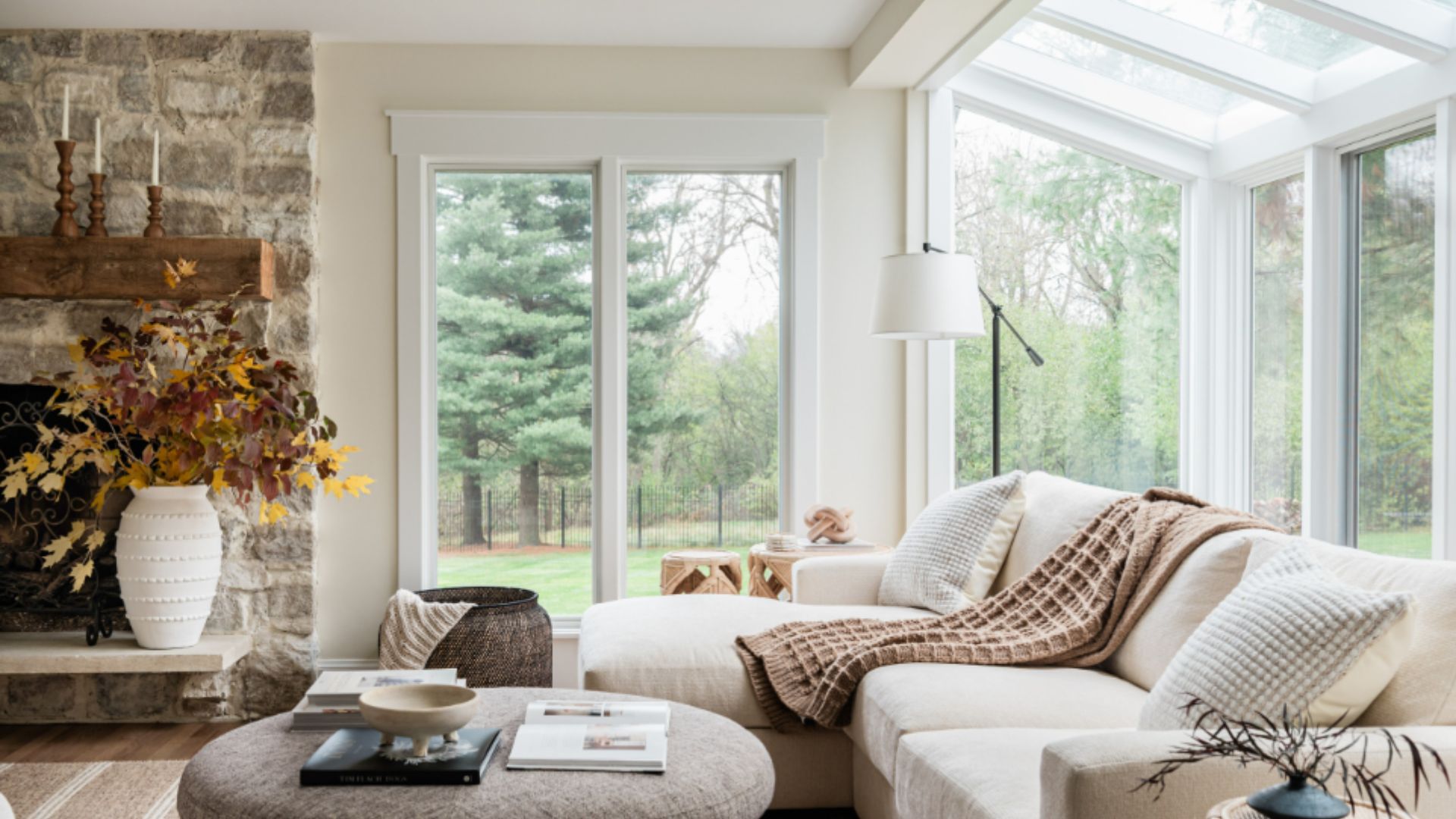
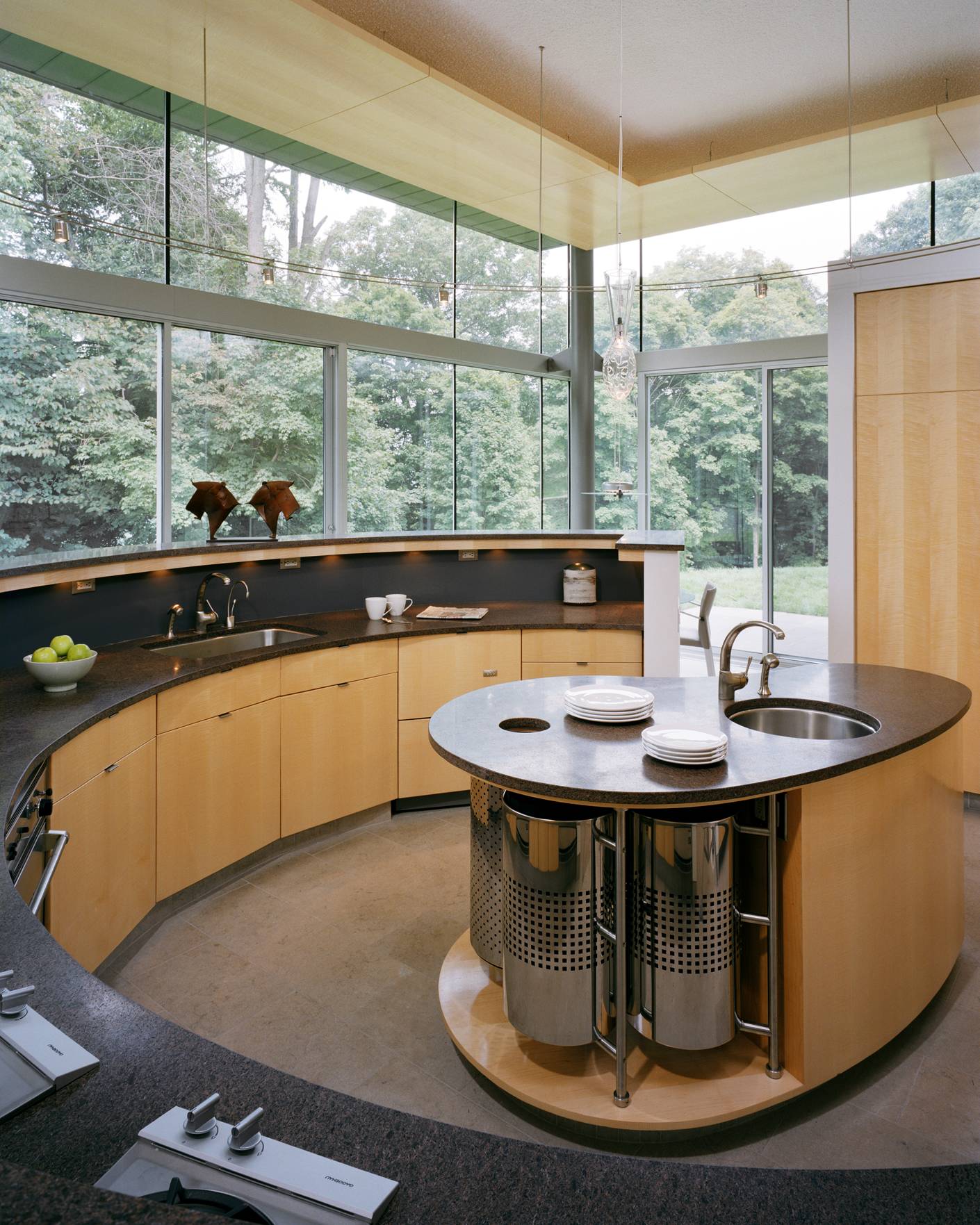
Architecturally, the movement is defined by flat or gently sloping rooflines, open floor plans, and expansive floor-to-ceiling glass windows that blur the boundary between indoor living and the outdoors. Homes were oriented to maximize natural light and foster a fluid transition into nature, often centered around courtyard patios, exposed beam ceilings, and sunken living rooms. The structural design celebrated materials in their honest forms, balancing warm natural woods like teak and walnut with modern industrial elements like poured concrete, steel, and stone.
Inside the home, the decor echoes this same philosophy: form follows function, but never at the expense of warmth. Furniture from this era sits low to the ground, elevated on sleek, tapered wood or hairpin metal legs that create a light, airy visual footprint. Iconic pieces—such as Charles and Ray Eames’s molded plywood chairs or Eero Saarinen’s sculptural Tulip table—showcase how pioneering materials like fiberglass and molded plastic were used to follow the natural contours of the human body. Color palettes balance grounded, organic earth tones like olive green, mustard yellow, and burnt orange with crisp off-whites and bold, geometric accent art. The result is a timeless, uncluttered aesthetic that remains immensely popular today for its effortless balance of comfort, light, and enduring craft.
Architecturally, the movement is defined by flat or gently sloping rooflines, open floor plans, and expansive floor-to-ceiling glass windows that blur the boundary between indoor living and the outdoors. Homes were oriented to maximize natural light and foster a fluid transition into nature, often centered around courtyard patios, exposed beam ceilings, and sunken living rooms. The structural design celebrated materials in their honest forms, balancing warm natural woods like teak and walnut with modern industrial elements like poured concrete, steel, and stone.
Inside the home, the decor echoes this same philosophy: form follows function, but never at the expense of warmth. Furniture from this era sits low to the ground, elevated on sleek, tapered wood or hairpin metal legs that create a light, airy visual footprint. Iconic pieces—such as Charles and Ray Eames’s molded plywood chairs or Eero Saarinen’s sculptural Tulip table—showcase how pioneering materials like fiberglass and molded plastic were used to follow the natural contours of the human body. Color palettes balance grounded, organic earth tones like olive green, mustard yellow, and burnt orange with crisp off-whites and bold, geometric accent art. The result is a timeless, uncluttered aesthetic that remains immensely popular today for its effortless balance of comfort, light, and enduring craft.







Monday, 19 October 2026 - 10:25
The sixth annual Academy Museum Gala lit up Los Angeles as stars gathered in support of the Academy Museum...
Monday, 12 October 2026 - 12:07
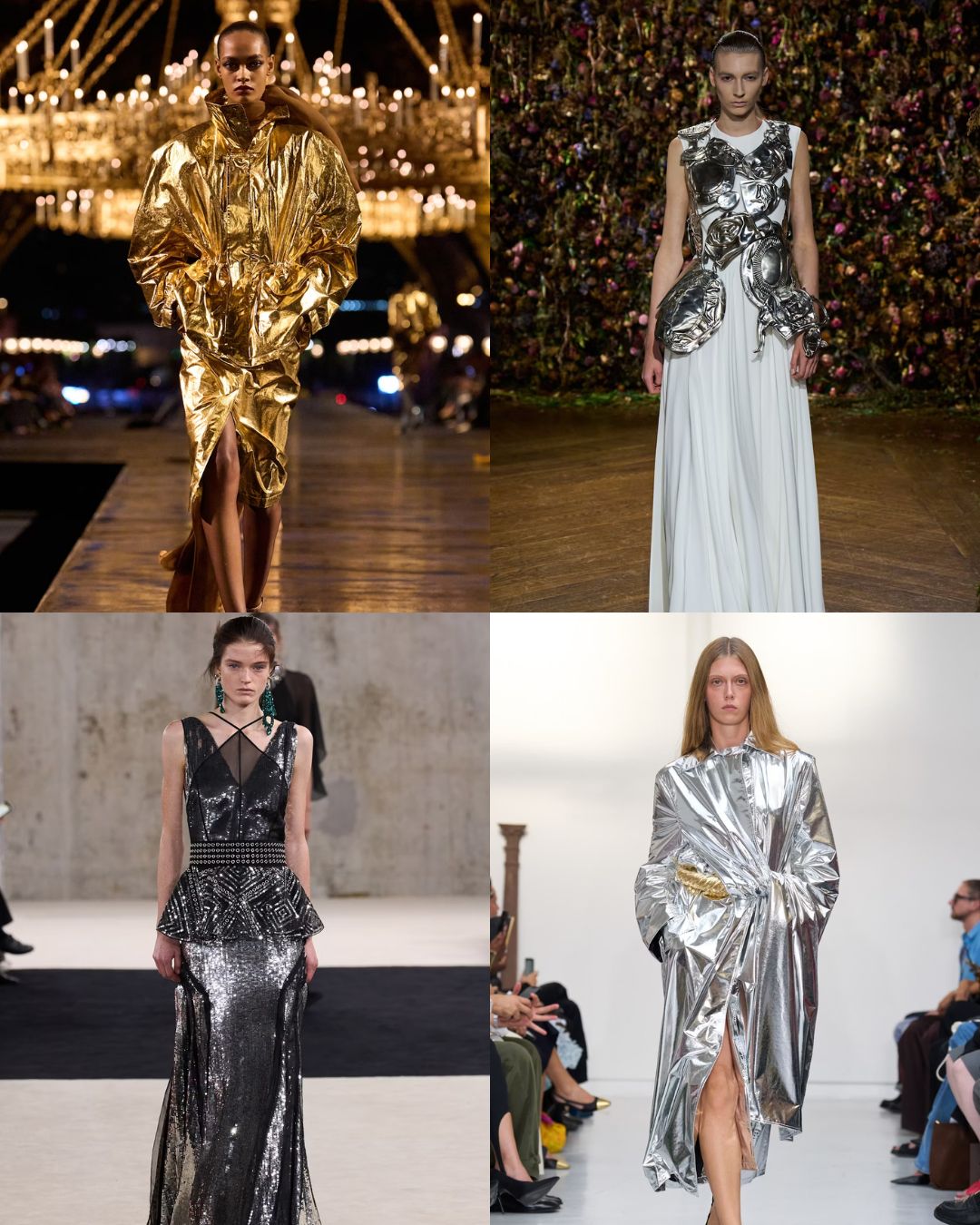
Paris Fashion Week SS27 has officially declared minimalism over, ushering in a breathtaking era of high-impact...
Monday, 05 October 2026 - 11:00
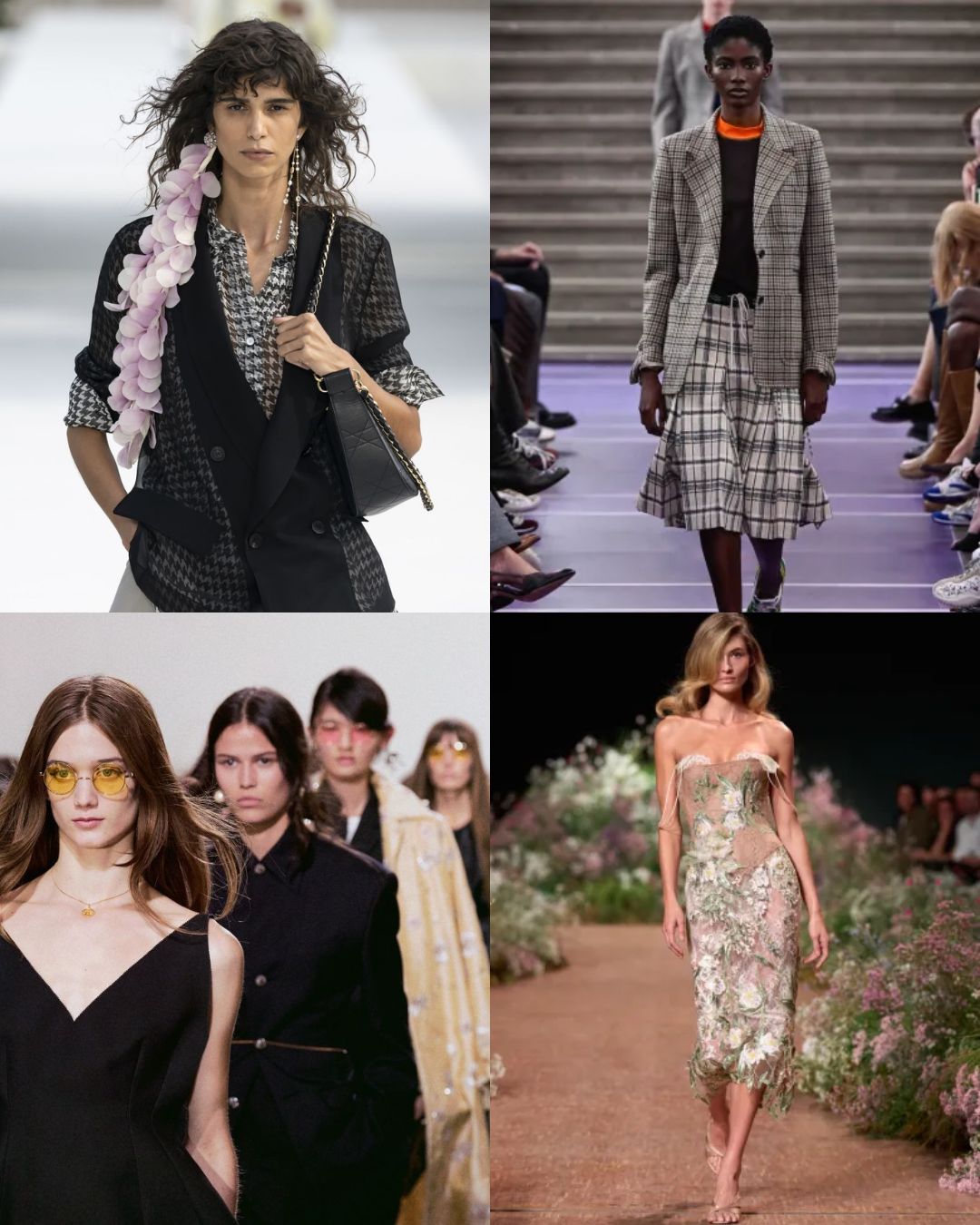
Paris Fashion Week has been nothing short of a whirlwind, turning the French capital into the ultimate...



Thursday, 15 October 2026

Wednesday, 07 October 2026
Thursday, 01 October 2026

Friday, 16 October 2026
Wednesday, 07 October 2026
Thursday, 01 October 2026
Tuesday, 18 August 2026