
Latest News

Oil Markets Volatile as Strait of Hormuz Reopening Remains Elusive
Monday, 10 August 2026 - 18:33 | Views - 108
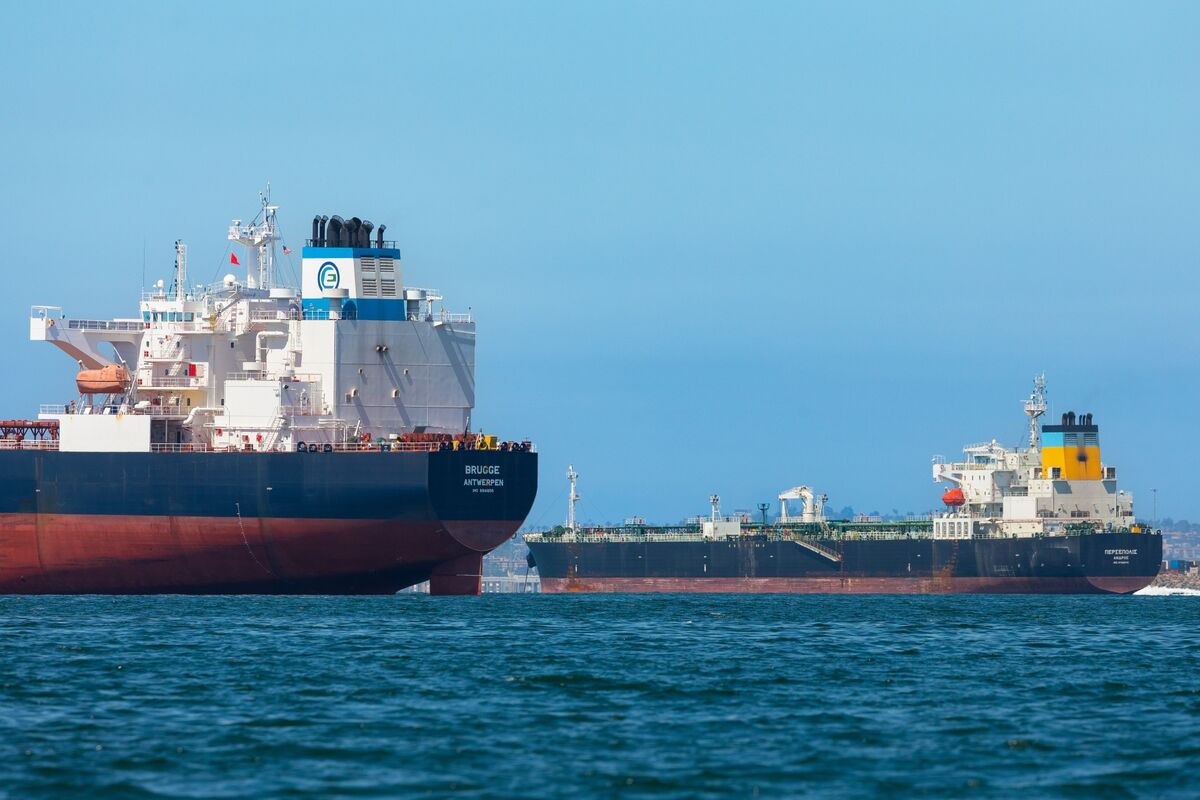
Global oil markets are experiencing renewed upward pressure as hopes for an imminent reopening of the Strait of Hormuz have faded. Despite ongoing diplomatic efforts between Iran and Oman, Tehran has issued a stern ultimatum, conditioning any potential reopening on a broad set of U.S. concessions that appear far from realization.
Stalemate at the Strait
The Strait of Hormuz, a critical global energy artery through which approximately 20% of the world’s seaborne oil flowed prior to the current conflict, has been effectively closed since February 27, 2026.
While Iran and Oman are reportedly nearing an agreement on a "temporary shipping route"—intended as an interim arrangement while long-term traffic schemes are negotiated—Iranian officials have clarified that this deal is distinct from a full reopening of the waterway.
Mohammad-Bagher Zolghadr, secretary of Iran’s Supreme National Security Council, stated on August 8 that the strait will remain closed until the United States "corrects its behavior". Iran’s list of demands includes:
-
Permanent Cessation of Hostilities: An end to U.S. and allied military aggression against Iran and its proxies.
-
Blockade Removal: The lifting of the U.S. naval blockade on Iranian ports.
-
Sanctions and Assets: The removal of economic sanctions and the release of frozen Iranian assets.
-
War Reparations: Compensation for damages incurred during the ongoing conflict.
Market Impact: Prices Remain Elevated
The uncertainty has kept oil benchmarks in a state of high volatility. As of August 10, 2026, Brent crude is trading near $84.62 per barrel, marking a recovery from earlier summer lows near $70.
Market participants remain wary, recalling the dramatic price swings of the past two months:
-
Early July: Prices plummeted to pre-war levels near $70/bbl on hopes of a diplomatic breakthrough.
-
Mid-July: Prices rebounded sharply to over $100/bbl following the collapse of the interim truce agreement when Iran struck multiple commercial vessels.
Red Sea Under Fire
Compounding the supply-chain crisis, the alternative route—the Red Sea and the Bab al-Mandeb strait—is facing escalating security threats. Yemen-based, Iran-backed Houthi rebels have intensified their campaign against vessels in this shipping lane, which has become a vital bypass for tankers unable to transit Hormuz.
On Sunday, August 9, Houthi forces launched a drone strike on Saudi Aramco’s 400,000-barrel-per-day Jazan refinery on the Red Sea coast. While the fire was quickly contained with no injuries reported, it marked the second such attack on the facility in two weeks, underscoring the vulnerability of regional energy infrastructure.
Strategic Outlook
Washington has maintained a firm stance, with Treasury Secretary Scott Bessent suggesting that the U.S. is looking toward a long-term strategy that renders the Strait of Hormuz "irrelevant" by shifting energy transit to underground pipelines. However, in the near term, the lack of a secure maritime corridor continues to strain global supply chains and keep energy prices sensitive to every military and diplomatic development in the Persian Gulf.







Monday, 27 July 2026 - 9:40
After years dominated by hyper-saturated trend cycles and sleek, ultra-smooth minimalism, fashion has...

Monday, 20 July 2026 - 9:35
The era of hyper-rigid seasonal dress codes has quietly dissolved. Where personal style once demanded...

Monday, 08 June 2026 - 18:35
There was a time when sleek, unadorned surfaces and flat printed graphics defined what it meant to be...



Tuesday, 25 August 2026

Thursday, 13 August 2026

Wednesday, 05 August 2026


Tuesday, 18 August 2026

Tuesday, 28 July 2026

Monday, 20 July 2026

Friday, 15 May 2026