
Latest News

Iran denies Trump's claim that new talks will begin on Monday
Monday, 03 August 2026 - 17:38 | Views - 60
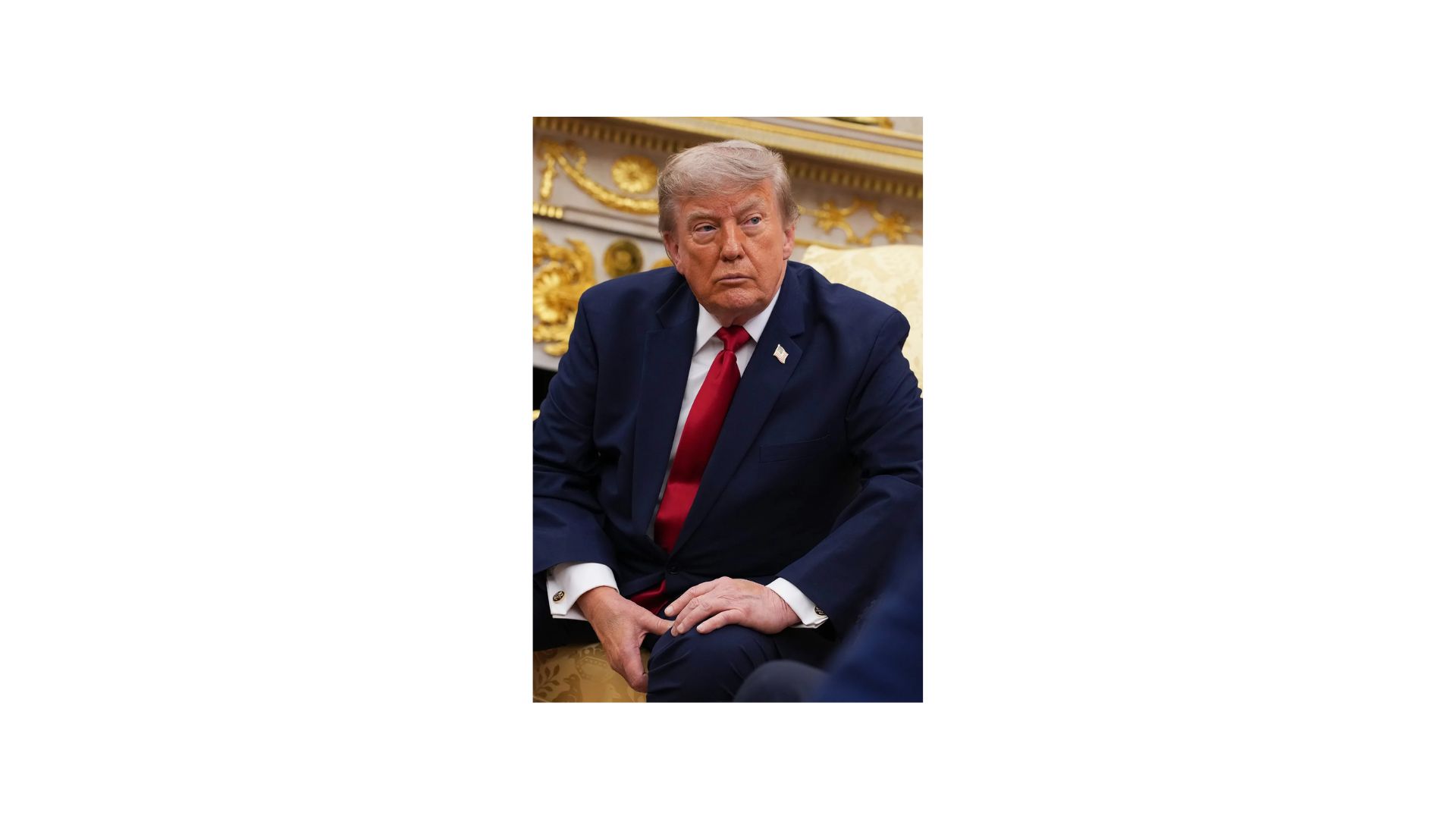
Iran has firmly rejected statements made by United States President Donald Trump regarding impending diplomatic negotiations and a mutual agreement to halt military action.
Speaking aboard Air Force One, President Trump asserted that he had called off what would have been a massive military strike against Iran after receiving requests from regional allies and Tehran to hold off. He claimed that the perimeters of a comprehensive diplomatic deal addressing the nuclear issue and the Strait of Hormuz had been established, and announced that formal bilateral negotiations would begin.
However, Iran's Foreign Ministry strongly refuted these claims, stating that no negotiations with the United States are currently taking place, nor are there any plans to initiate them. Iranian officials clarified that their active diplomatic engagements are restricted to discussions with Oman aimed strictly at establishing secure passage for commercial shipping through the strategic Strait of Hormuz. Furthermore, state-affiliated media and military representatives labeled assertions that Tehran requested a pause in military action as entirely false, reiterating that Iranian armed forces remain on high alert.
The diplomatic friction highlights ongoing volatility in the region, where roughly twenty percent of the global crude oil and liquefied natural gas supply passes through the disputed waterway. In the wake of President Trump's announcements, global energy markets experienced a sharp downturn, with Brent Crude dropping significantly as traders reacted to the temporarily averted escalation.







Monday, 27 July 2026 - 9:40
After years dominated by hyper-saturated trend cycles and sleek, ultra-smooth minimalism, fashion has...

Monday, 20 July 2026 - 9:35
The era of hyper-rigid seasonal dress codes has quietly dissolved. Where personal style once demanded...

Monday, 08 June 2026 - 18:35
There was a time when sleek, unadorned surfaces and flat printed graphics defined what it meant to be...



Tuesday, 25 August 2026

Thursday, 13 August 2026

Wednesday, 05 August 2026


Tuesday, 18 August 2026

Tuesday, 28 July 2026

Monday, 20 July 2026

Friday, 15 May 2026