
Latest News

Black tie rules explained: everything you need to know about wearing black tie
Friday, 22 November 2019 - 13:29 | Views - 1,423

Once a black tie invitation has been received, it’s not unusual for panicked questions to spring to mind once the initial excitement has faded. Do I need a cummerbund? What kind of socks should I wear? How do I wear my hair? What even is a cummerbund?
Black tie events are all about following the rules, after all. But played right they are also prime opportunities for you to look the best you ever will. The combination of slim-cut black suit, box-fresh white shirt and perfectly tied bow tie is eternally chic and so simple that even the most style illiterate would struggle to get it wrong.
The key, as with most things, is in the details, from the style of bow tie round your neck to the shine of the shoes on your feet. So take our (be-gloved) hand and let us guide you through your next black tie event, from the jolly RSVP to the bleary-eyed ride home.What is a black tie event?In addition to denoting one of the few remaining formal dress codes, what it really implies is importance: awards ceremonies, a milestone birthday party, a grandiose wedding, a prestigious ball. Some of these events will be reflected on as among the greatest memories of your life. Which means there’s no cutting corners.
lWhat does black tie dress code mean?
Ironically, the birth of black tie in about 1885 signalled a loosening of ties, so to speak, among the well-to-do. Edward VII swapped his tailcoat for a blue silk smoking jacket with matching trousers, made by Henry Poole & Co of Savile Row. It provided the monarch with a more comfortable alternative to the formality of evening tails.
This black tie suit style was then adopted by members of the Tuxedo Club in New York, several of whom were Poole customers (tuxedo = Americanism). It was Edward VII’s inspired loosening that eventually morphed into black tie, clinging on to some of the formal accoutrements of tails, such as the black tie shirt’s winged collar and the bow tie, which itself is a descendant of Beau Brummell’s early 19th-century cravat.






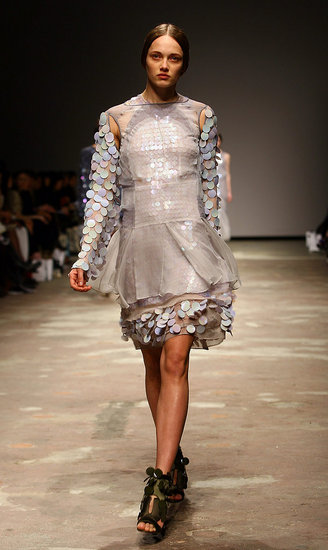
Monday, 27 July 2026 - 9:40
After years dominated by hyper-saturated trend cycles and sleek, ultra-smooth minimalism, fashion has...
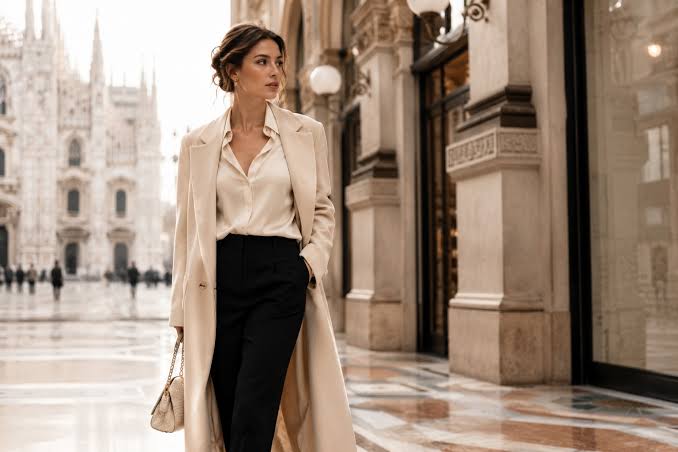
Monday, 20 July 2026 - 9:35
The era of hyper-rigid seasonal dress codes has quietly dissolved. Where personal style once demanded...
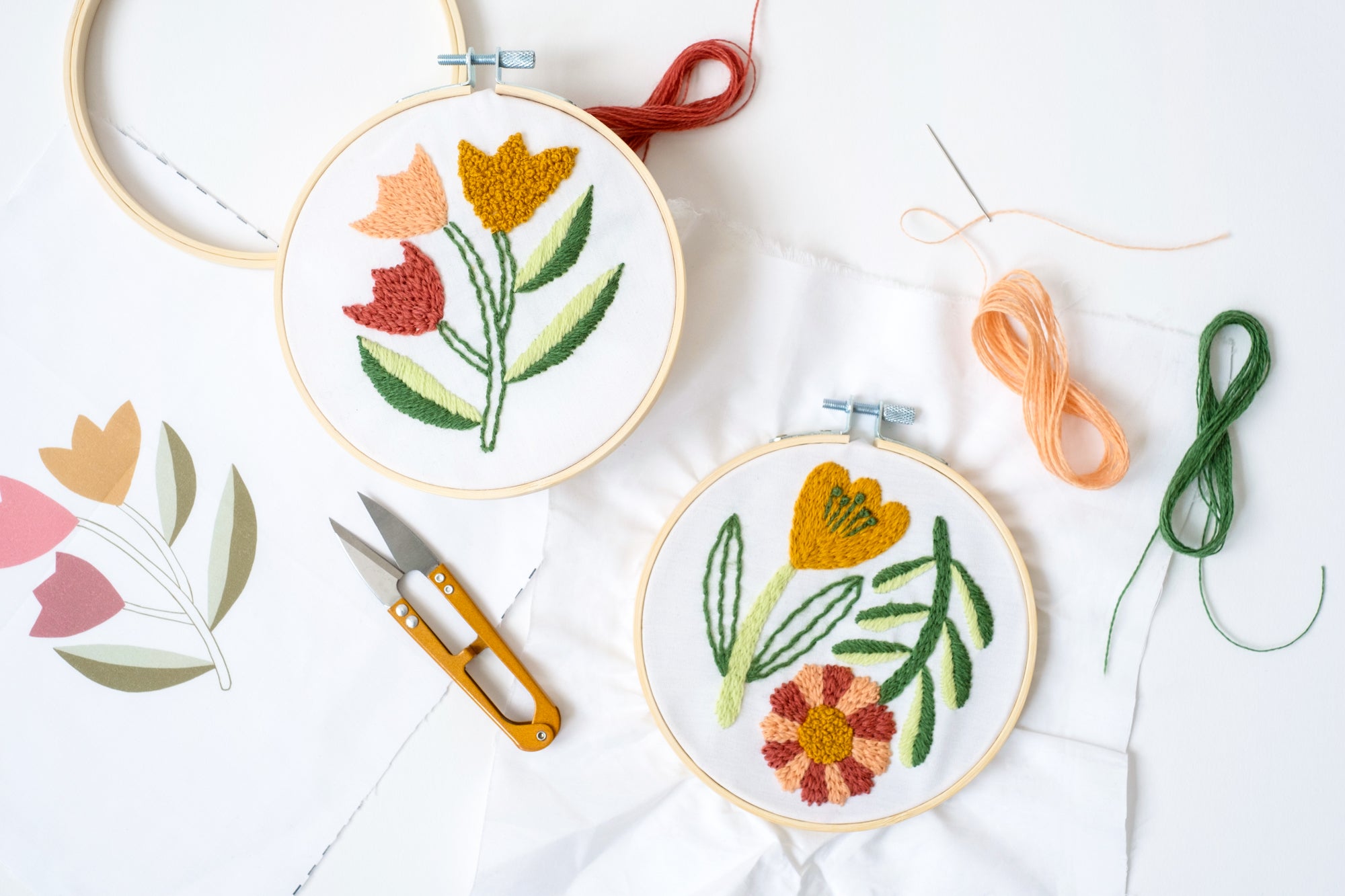
Monday, 08 June 2026 - 18:35
There was a time when sleek, unadorned surfaces and flat printed graphics defined what it meant to be...



Wednesday, 23 September 2026
Tuesday, 25 August 2026

Thursday, 13 August 2026


Tuesday, 18 August 2026

Tuesday, 28 July 2026

Monday, 20 July 2026

Friday, 15 May 2026