
Latest News

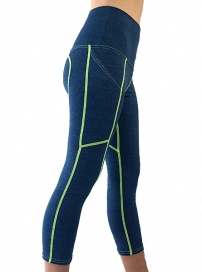
What will happen to activewear in 2018?
Friday, 20 July 2018 - 13:25 | Views - 848
-
New Year, new you? Possibly, if you’re one of the 50 million Americans who have pledged to increase activity and lose weight*.
-
January is activewear’s time to shine, so we’ve checked in on the activewear market and what’s in store for 2018.
First, the golden question: is activewear still in growth?
There has been so much hype around the soaring activewear market over the last few years, thanks to major shifts in consumer lifestyles.
In search of new headlines, the media chases signs of activewear’s bubble bursting, scouring the runways for evidence of dwindling athleisure references.
That in itself muddies the real truth behind activewear. First up, forget athleisure – that’s a trend inspired by the consumer shifts. It’s a trend that is still around, sure, but this isn’t where retailers should be focusing their energies.
Instead –as active lifestyles are here to stay– it’s apparel that is actuallymade for movement that is where we should all be digging.
According to Global Industry Analysts Inc., sports and fitness apparel clothing will reach $231.7 billion worldwide by 2024.
In getting there, how has the activewear market changed over the years, and where will it go next? Here is how a sample of ‘traditional’ sports retailers have increased their assortment over the last two years:
If we look at how much product was in stock at the close of last quarter (Oct 1 – Dec 31 2017) compared to the same period in 2015, we can see a 33% climb.
But the reality is that this is a market taking steps forward alongside its consumer. There is clear growth, though it’s not happened suddenly or impulsively.
New players in the game
Where there has been eyebrow-raising growth is at those retailers not typically known for their sports offering. Retailers like Topshop, H&M and Forever 21, as well as those like Net-a-Porter and Matches.






Monday, 27 July 2026 - 9:40
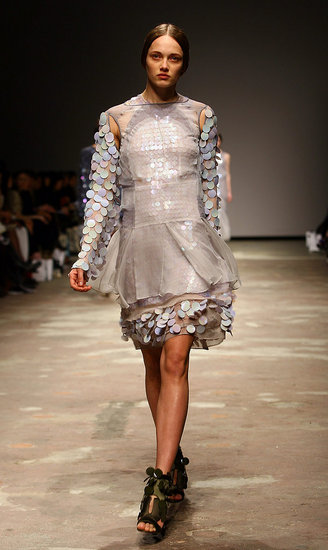
After years dominated by hyper-saturated trend cycles and sleek, ultra-smooth minimalism, fashion has...

Monday, 20 July 2026 - 9:35
The era of hyper-rigid seasonal dress codes has quietly dissolved. Where personal style once demanded...
Monday, 08 June 2026 - 18:35
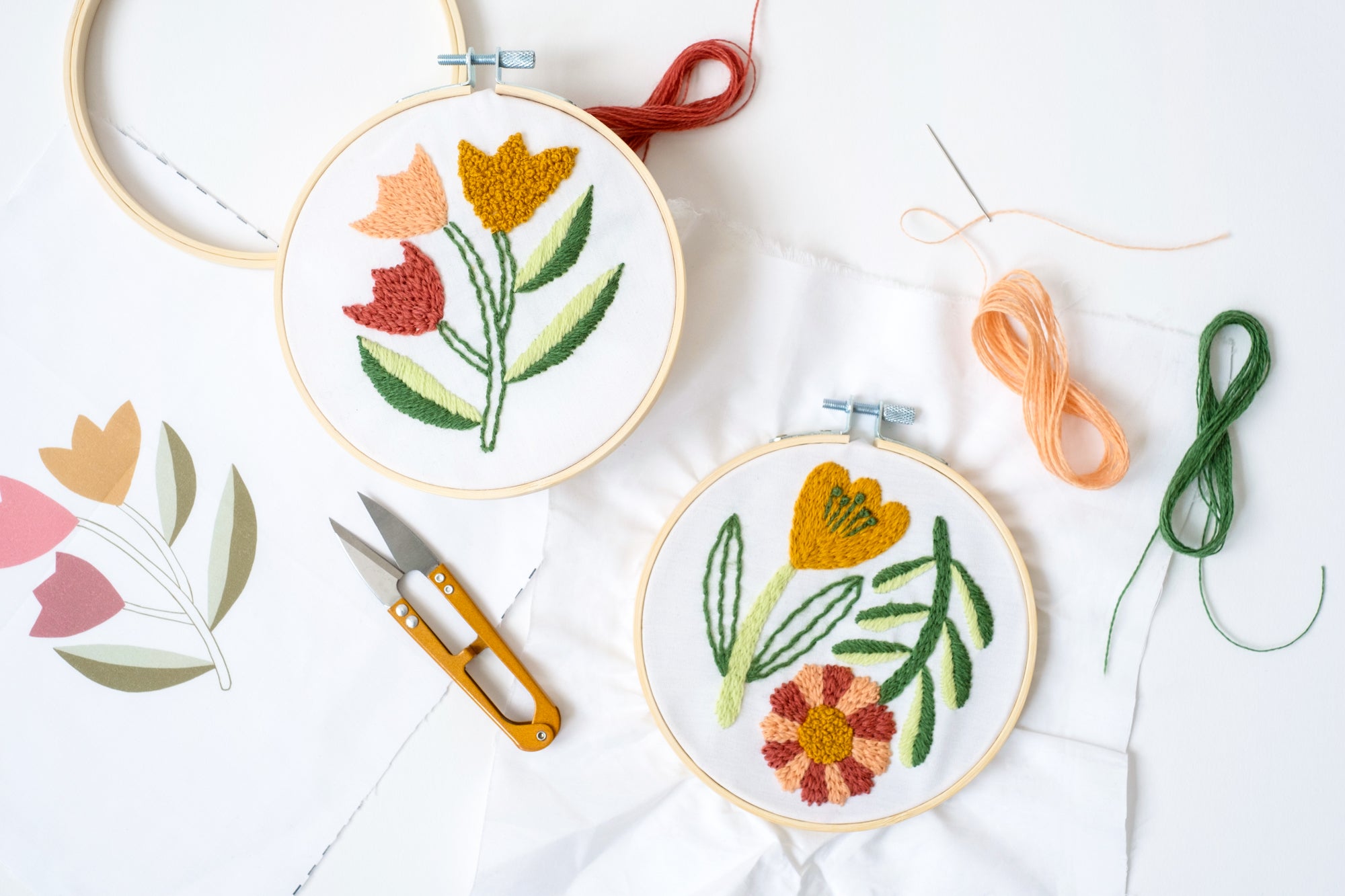
There was a time when sleek, unadorned surfaces and flat printed graphics defined what it meant to be...



Tuesday, 25 August 2026

Thursday, 13 August 2026
Wednesday, 05 August 2026


Tuesday, 18 August 2026

Tuesday, 28 July 2026

Monday, 20 July 2026

Friday, 15 May 2026