
Latest News

Beat the Heat: Smart Clothing Choices for Sri Lanka
Thursday, 19 February 2026 - 16:21 | Views - 423
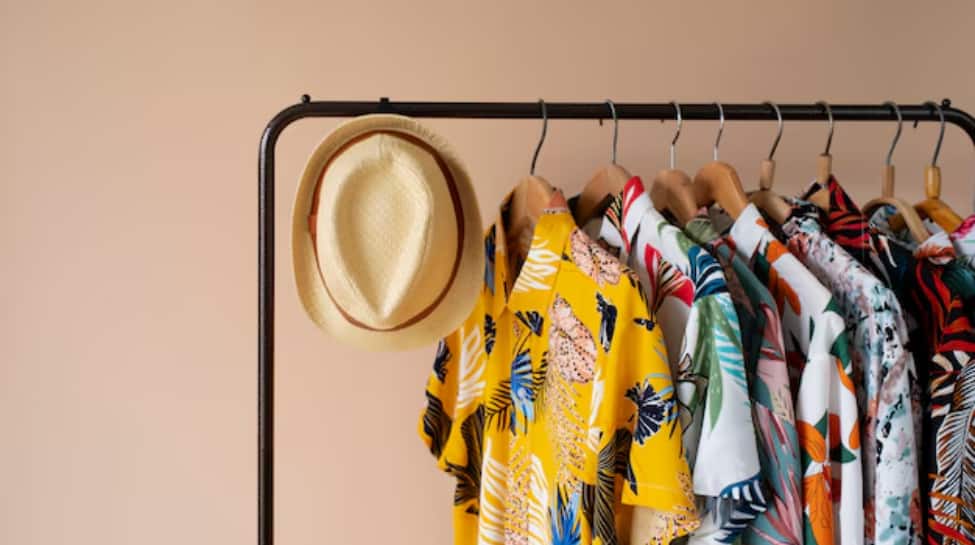
Sri Lanka’s tropical climate is warm and humid throughout most of the year, with temperatures often ranging between 26–32°C. Because of the high humidity, clothing should focus on comfort and moisture-wicking properties rather than style alone. Lightweight, airy outfits make daily life much more manageable, whether you are in a busy city or a coastal town. Since Sri Lanka is sunny almost all-year round, UV protection is vital to prevent the development of health complications.
Natural fabrics
Fabrics made of cotton or linen work well in this climate because they allow air to circulate and absorb moisture from the skin. These materials help sweat evaporate more quickly, preventing discomfort. Heavy denim and thick synthetic fabrics, on the other hand, tend to trap heat and feel sticky in humid conditions—making you feel uncomfortable after a long day in the tropical weather.
Lightweight and Loose-fit
Relaxed silhouettes such as flowy dresses, wide-leg trousers, and oversized shirts allow better airflow around the body. Tight, dense fabrics can cling to the skin and increase discomfort in the heat. Fine materials make great daily outfits, whilst allowing you to look fashionable for any occasion.
Colours
Light-coloured clothing is also ideal for Sri Lankan weather. Shades like white, beige, and pastel hues reflect sunlight rather than absorbing it. Dark colors can make you feel much warmer under the strong sun, especially during midday hours. This is because they do the opposite of what lighter shades do-- drawing in heat, causing the wearer to feel uncomfortably hot and stuffy.
Sun protection
Exposure to UV rays can cause all kinds of skin conditions, and in a country as sunny as Sri Lanka, appropriate measures must be taken to protect yourself from the harsh sun.
Long-sleeved tops or UV-protective arm covers can keep you safe whilst preventing unnecessary heat and moisture from making you uncomfortable. Sunglasses and wide-brim hats/caps perform a similar function and add a stylish touch to your outfits!
Of course, using broad-spectrum, high SPF sunscreen will keep you extra safe, especially on the face, hands and feet (which are usually not covered by clothing or accessories). Be sure to carry some around—it might come in handy for beach stays, hiking trips and beyond!







Monday, 27 July 2026 - 9:40
After years dominated by hyper-saturated trend cycles and sleek, ultra-smooth minimalism, fashion has...
Monday, 20 July 2026 - 9:35
The era of hyper-rigid seasonal dress codes has quietly dissolved. Where personal style once demanded...
Monday, 08 June 2026 - 18:35
There was a time when sleek, unadorned surfaces and flat printed graphics defined what it meant to be...



Wednesday, 23 September 2026

Tuesday, 25 August 2026

Thursday, 13 August 2026


Tuesday, 18 August 2026

Tuesday, 28 July 2026

Monday, 20 July 2026

Friday, 15 May 2026