
Latest News

The State of Fashion
Friday, 12 February 2021 - 0:42 | Views - 916
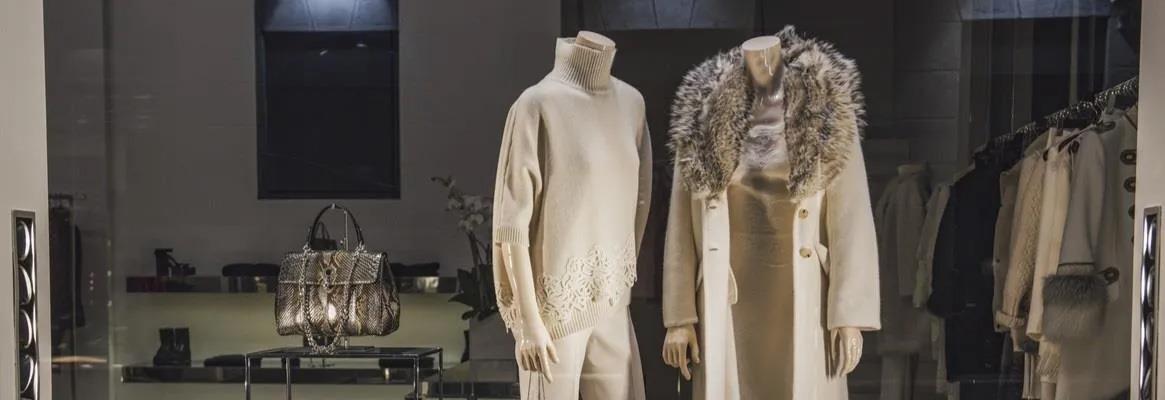
Challenges for apparel retailers will vary depending on brand positioning, style, customer segment, product categories and life cycle. The pandemic-induced crisis will accelerate adoption of new digital capabilities across the value chain
The year 2020 is probably the worst ever for many: COVID-19, social movements, terrorism, populism, hurricanes and wildfires. You may have lost a close friend or a family member, or lost your job or closed your business while fundamental freedoms were limited. This is a different crisis and socioeconomic consequences are still uncertain. COVID-19 cannot be compared to the flu pandemic of 1918. It has changed our world: the way we work, socialise, learn, shop and dress.
It is the year of retail purgatory. Some will survive, others will not. This is not about what business strategy to implement but how to run a business in a new era; a new way of facing existing and coming challenges. Vaccines give us light at the end of the tunnel and retailers will have to adapt to a new ecosystem.
Sorry, we're closed
Retailers keep shutting a large number of stores. A record 9,500 stores went out of business in 2019 in the United States, but as many as 25,000 could shut down permanently in 2020, mostly in malls, says an estimate from Coresight Research. Store closure will hit the United States the hardest as there are 8.5 billion square feet of retail space, which equates to 24.5 square feet of retail space per capita, or five times Europe's average of 4.5 square feet per capita, according to the Lincoln Institute of Land Policy.
Retailers closing stores include GAP, Barneys, Victoria’s Secret, Guess, Macy’s, PVH and Michael Kors. Zara owner Inditex said in June it will close 1,000 to 1,200 stores over the next two years. Inditex reported a 37 per cent decrease in sales from February to July this year and a 74 per cent rise in online sales. H&M net sales decreased by 50 per cent in their second quarter (1 March 2020 to 31 May 2020) with 80 per cent of stores closed, while online sales increased by 36 per cent compared to 2019. The following chart shows the impact of the pandemic on H&M sales by week. Signs of recovery are observed, but consumption remains subdued.






Monday, 27 July 2026 - 9:40
After years dominated by hyper-saturated trend cycles and sleek, ultra-smooth minimalism, fashion has...

Monday, 20 July 2026 - 9:35
The era of hyper-rigid seasonal dress codes has quietly dissolved. Where personal style once demanded...
Monday, 08 June 2026 - 18:35
There was a time when sleek, unadorned surfaces and flat printed graphics defined what it meant to be...



Wednesday, 23 September 2026

Tuesday, 25 August 2026
Thursday, 13 August 2026


Tuesday, 18 August 2026
Tuesday, 28 July 2026

Monday, 20 July 2026
Friday, 15 May 2026