
Latest News

25 decorating mistakes and how to avoid them
Monday, 18 May 2015 - 1:08 | Views - 1,892

1 Buying area rugs that are too small
An area rug should allow for a 12- to 16-inch border of flooring around a room's perimeter; anything smaller, and the rug will look too insignificant. Remember: The front legs of your furniture should sit on the area rug, so the rug doesn't appear to "float" in the middle of the room.
2 Purchasing furniture before measuring a room
In their excitement, many homeowners buy items before taking possession of their new home.
However, when the furniture arrives, it often doesn't fit through the door or is too long or too deep for the room.
Rather than making buying decisions based solely on a floor plan, live in your space for a while you'll make better choices.
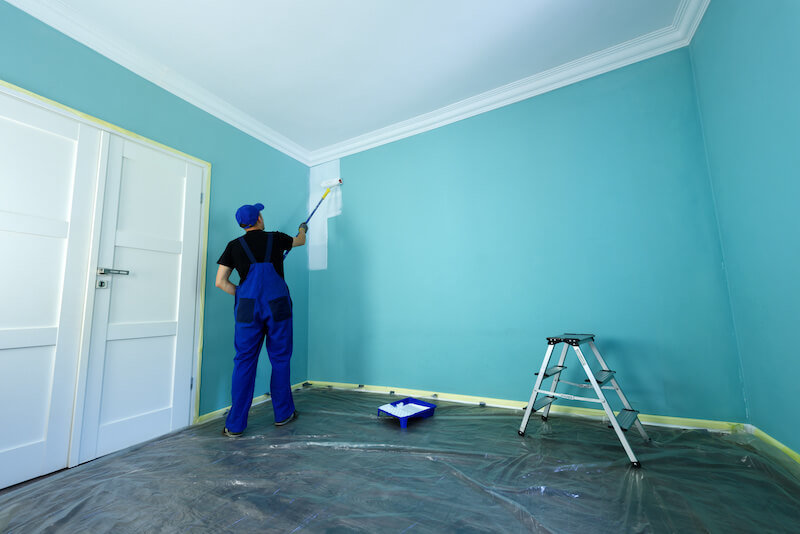
3 Picking wall colors that are too pale
The larger the space you're painting, the more tonal depth your wall color needs to have.
If your home features an open plan, when deciding on the main colour, select one that's slightly darker than you'd normally choose for a small room.
4 Going without a headboard
The head of the bed is the focal point of any bedroom, but many people tend to overlook the headboard.
If you don't have one, add interest with eye catching artwork or a decorative tapestry, or paint the wall behind the bed a dramatic colour.
5 Decorating without help
It's costly, difficult and emotional, so why not get the help of a professional? For a small percentage of your overall budget, you'll have the guarantee that your project will look great for years to come.
6 Decorating around something you don't love
Chances are, if you don't like it today, you won't like it tomorrow.
Don't continue to invest in decor and accessories to match the item; get rid of it, have it refinished or store it in the garage or basement.
7 Buying too many small accessories
Forgoing trendy accessories for a year or two could save you enough money to buy a substantial piece of furniture you'll have forever.
8 Hanging artwork too high
The bottom of the artwork should be eight to 10 inches above the top of a piece of furniture, be it a headboard, sofa or credenza.
In a hallway or stairwell, hang art so that the middle of the work is 66 inches from the floor or steps.
9 Not making the front door the focus
When people drive by your house, the front door should be the first thing they see; the garage door should be the last, so paint it a similar color to that of the house, and paint the front door a complementary color, so it really stands out.
10 Highlighting wimpy trim and moulding
Everyone thinks they have to highlight their baseboards and trim by painting them white.
But if your trim is 3-1/2 inches or smaller, paint it the same color as the wall, so it blends in; otherwise you'll end up with a racing stripe effect around the room. Another great tip: Painting baseboards, walls and crown moulding the same color also makes the walls feel higher.
11 Displaying collectibles all over the house
Create big impact by grouping a collection of figurines on a table, or samplers of family photos on one wall.
Dotting them all around the house only lends a cluttered look to your decor.
12 Having more than one focal point in a room
Every space needs a focal point, but most people never figure out what that actually is.
In the living room, the focal point is either the TV, fireplace or view whichever you enjoy most.
In the bedroom, it's the headboard; in the bathroom, the vanity area.
13 Creating a lifeless interior
A room needs fresh plants or flowers, whether it's trees, tulips or cacti.
Using silk or artificial greenery is fine, but only if you rotate it and make it seasonal.
Dusty, outdated-looking floral arrangements make a room appear old and in need of change.
14 Doing it in a day
When you shop for an entire room's decor all at once, it looks like you did it in a day.
Plus, everything is matchy, as if you purchased the display from a store front window.
Take your time and let your vision, goals, budget and timeline provide you with a layered decorating process, its fun to build the look of a room!
15 Hanging cheap drapes
Quality draperies have been a low priority for homeowners in the past few years with the trend toward inexpensive tab top drapes and drapery rods.
While they may be perfect for college dorms and teenagers' rooms, these casual window fashions are rarely a suitable investment for an elegant living or dining room.
Tailor-made, custom-fit draperies will never go out of style.
16 Mixing too many wood tones
This rule is a simple one: introduce no more than three different wood stains in a room; that goes for flooring, cabinetry, tables and furnishings. If you've blended furniture pieces, re stain some of them in order to create a cohesive look.
17 Getting the scale wrong
Most people buy sofas that are too large, and rugs and other furnishings that are too small for the rooms they're in.
Playing with the scale of furnishings is an art; a large armoire in a small room isn't necessarily a bad thing if you create balance with a dark wall color, large framed art and rich carpets.
A sofa should fit on the short or long wall of a room; make sure if you place it along the short wall that you still have room for end tables on each side.
18 Collecting too much stuff
We hoard, collect and often have too many things that don't belong, so learning to edit a room is a huge lesson.
The easiest way to do it is to dress a room completely and then take away 30 per cent of the accessories, such as candles, picture frames and knickknacks.
That will leave room to add items as the decor develops over time.
19 Second-guessing your professional
Why would you spend money to hire a contractor, designer or architect and then allow the final decisions to be made by your friends and family? Professionals come to your project with an unbiased, workable plan; your friends and family don't.
20 Choosing the wrong color hue
People often know what color they want but don't pick the proper hue (lightness or darkness).
A good rule of thumb: Lighter on the top, darker on the bottom.
Floors are usually a darker, deeper hue than the walls; ceilings are lighter than the walls.
21 Hanging oversize family portraits in main living spaces
Save all those large framed wedding, school and family photographs for the upstairs hallway, home office and den.
23 Positioning furniture along the edges of a room
Try dividing a long, narrow room by using the two-thirds/one-third rule: make two-thirds of your room the main seating area, and one-third a space for a desk, reading chair or piano.
Don't be afraid to show the back of a chair or sofa by using the piece to divide the room.
24 Buying a chandelier that's too small
For every foot of the width of the room, multiply that number by two for the diameter in inches of the chandelier that will work in that particular room. For example, if the width of your room is 12 feet, then your chandelier should be 24 inches in diameter (12' x 2 = 24").
25 Choosing trendy-color fabrics for long-term furnishings
Custom sofas, chairs, headboards and draperies should last many years.
Opting for a trendy color fabric like lime green will quickly make these pieces look (and feel) outdated. Instead, choose colors that are a shade lighter or darker than your wall color, so furnishings work well together and maintain their timeless appeal.
An area rug should allow for a 12- to 16-inch border of flooring around a room's perimeter; anything smaller, and the rug will look too insignificant. Remember: The front legs of your furniture should sit on the area rug, so the rug doesn't appear to "float" in the middle of the room.
2 Purchasing furniture before measuring a room
In their excitement, many homeowners buy items before taking possession of their new home.
However, when the furniture arrives, it often doesn't fit through the door or is too long or too deep for the room.
Rather than making buying decisions based solely on a floor plan, live in your space for a while you'll make better choices.
3 Picking wall colors that are too pale
The larger the space you're painting, the more tonal depth your wall color needs to have.
If your home features an open plan, when deciding on the main colour, select one that's slightly darker than you'd normally choose for a small room.
4 Going without a headboard
The head of the bed is the focal point of any bedroom, but many people tend to overlook the headboard.
If you don't have one, add interest with eye catching artwork or a decorative tapestry, or paint the wall behind the bed a dramatic colour.
5 Decorating without help
It's costly, difficult and emotional, so why not get the help of a professional? For a small percentage of your overall budget, you'll have the guarantee that your project will look great for years to come.
6 Decorating around something you don't love
Chances are, if you don't like it today, you won't like it tomorrow.
Don't continue to invest in decor and accessories to match the item; get rid of it, have it refinished or store it in the garage or basement.
7 Buying too many small accessories
Forgoing trendy accessories for a year or two could save you enough money to buy a substantial piece of furniture you'll have forever.
8 Hanging artwork too high
The bottom of the artwork should be eight to 10 inches above the top of a piece of furniture, be it a headboard, sofa or credenza.
In a hallway or stairwell, hang art so that the middle of the work is 66 inches from the floor or steps.
9 Not making the front door the focus
When people drive by your house, the front door should be the first thing they see; the garage door should be the last, so paint it a similar color to that of the house, and paint the front door a complementary color, so it really stands out.
10 Highlighting wimpy trim and moulding
Everyone thinks they have to highlight their baseboards and trim by painting them white.
But if your trim is 3-1/2 inches or smaller, paint it the same color as the wall, so it blends in; otherwise you'll end up with a racing stripe effect around the room. Another great tip: Painting baseboards, walls and crown moulding the same color also makes the walls feel higher.
11 Displaying collectibles all over the house
Create big impact by grouping a collection of figurines on a table, or samplers of family photos on one wall.
Dotting them all around the house only lends a cluttered look to your decor.
12 Having more than one focal point in a room
Every space needs a focal point, but most people never figure out what that actually is.
In the living room, the focal point is either the TV, fireplace or view whichever you enjoy most.
In the bedroom, it's the headboard; in the bathroom, the vanity area.
13 Creating a lifeless interior
A room needs fresh plants or flowers, whether it's trees, tulips or cacti.
Using silk or artificial greenery is fine, but only if you rotate it and make it seasonal.
Dusty, outdated-looking floral arrangements make a room appear old and in need of change.
14 Doing it in a day
When you shop for an entire room's decor all at once, it looks like you did it in a day.
Plus, everything is matchy, as if you purchased the display from a store front window.
Take your time and let your vision, goals, budget and timeline provide you with a layered decorating process, its fun to build the look of a room!
15 Hanging cheap drapes
Quality draperies have been a low priority for homeowners in the past few years with the trend toward inexpensive tab top drapes and drapery rods.
While they may be perfect for college dorms and teenagers' rooms, these casual window fashions are rarely a suitable investment for an elegant living or dining room.
Tailor-made, custom-fit draperies will never go out of style.
16 Mixing too many wood tones
This rule is a simple one: introduce no more than three different wood stains in a room; that goes for flooring, cabinetry, tables and furnishings. If you've blended furniture pieces, re stain some of them in order to create a cohesive look.
17 Getting the scale wrong
Most people buy sofas that are too large, and rugs and other furnishings that are too small for the rooms they're in.
Playing with the scale of furnishings is an art; a large armoire in a small room isn't necessarily a bad thing if you create balance with a dark wall color, large framed art and rich carpets.
A sofa should fit on the short or long wall of a room; make sure if you place it along the short wall that you still have room for end tables on each side.
18 Collecting too much stuff
We hoard, collect and often have too many things that don't belong, so learning to edit a room is a huge lesson.
The easiest way to do it is to dress a room completely and then take away 30 per cent of the accessories, such as candles, picture frames and knickknacks.
That will leave room to add items as the decor develops over time.
19 Second-guessing your professional
Why would you spend money to hire a contractor, designer or architect and then allow the final decisions to be made by your friends and family? Professionals come to your project with an unbiased, workable plan; your friends and family don't.
20 Choosing the wrong color hue
People often know what color they want but don't pick the proper hue (lightness or darkness).
A good rule of thumb: Lighter on the top, darker on the bottom.
Floors are usually a darker, deeper hue than the walls; ceilings are lighter than the walls.
21 Hanging oversize family portraits in main living spaces
Save all those large framed wedding, school and family photographs for the upstairs hallway, home office and den.
23 Positioning furniture along the edges of a room
Try dividing a long, narrow room by using the two-thirds/one-third rule: make two-thirds of your room the main seating area, and one-third a space for a desk, reading chair or piano.
Don't be afraid to show the back of a chair or sofa by using the piece to divide the room.
24 Buying a chandelier that's too small
For every foot of the width of the room, multiply that number by two for the diameter in inches of the chandelier that will work in that particular room. For example, if the width of your room is 12 feet, then your chandelier should be 24 inches in diameter (12' x 2 = 24").
25 Choosing trendy-color fabrics for long-term furnishings
Custom sofas, chairs, headboards and draperies should last many years.
Opting for a trendy color fabric like lime green will quickly make these pieces look (and feel) outdated. Instead, choose colors that are a shade lighter or darker than your wall color, so furnishings work well together and maintain their timeless appeal.






Monday, 27 July 2026 - 9:40
After years dominated by hyper-saturated trend cycles and sleek, ultra-smooth minimalism, fashion has...

Monday, 20 July 2026 - 9:35
The era of hyper-rigid seasonal dress codes has quietly dissolved. Where personal style once demanded...
Monday, 08 June 2026 - 18:35
There was a time when sleek, unadorned surfaces and flat printed graphics defined what it meant to be...



Wednesday, 23 September 2026

Tuesday, 25 August 2026

Thursday, 13 August 2026


Tuesday, 18 August 2026
Tuesday, 28 July 2026
Monday, 20 July 2026
Friday, 15 May 2026