
Latest News

THE ASCENT OF THE MODERN HAMMOCK ENGINEERING COMFORT AND VERSATILITY IN OUTDOOR DESIGN
Thursday, 29 January 2026 - 17:49 | Views - 450
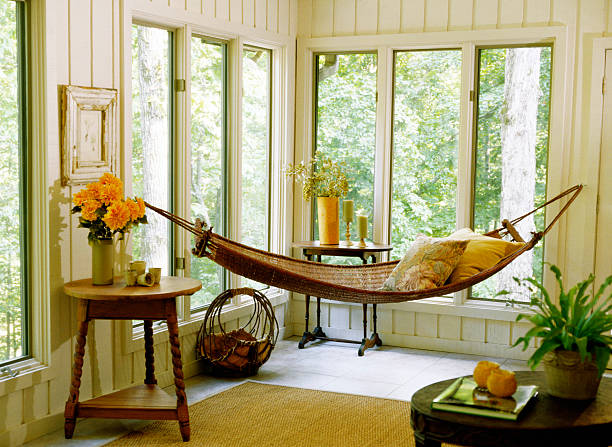
Modern hammocks have evolved far beyond their origins as simple mesh slings suspended between two palm trees Today they represent a sophisticated fusion of textile engineering ergonomic design and outdoor utility For the modern adventurer or the backyard enthusiast the transition from traditional designs to contemporary models has redefined the standards of comfort and portability
The Evolution of Design
Modern hammocks are categorized largely by their shape and intended use While the classic banana shape remains popular technical advancements have introduced designs that cater to specific sleeping styles and environments
1 Parachute Nylon Gathered End Hammocks
These are the most common modern designs Made from high tenacity breathable nylon they are incredibly lightweight and can support up to 400 to 500 pounds Their design allows them to be compressed into a small integrated stuff sack making them a favorite for hikers
2 Bridge Hammocks
Unlike gathered end models that bunch at the head and foot bridge hammocks utilize spreader bars at both ends This creates a flat cot like sleeping surface This design is highly favored by side sleepers who find the traditional curve of a hammock uncomfortable for their spine
3 Integrated Camping Systems
The pinnacle of modern design is the all in one system These hammocks come equipped with integrated bug netting specialized ridgelines to maintain a consistent sag and modular rain flies These designs allow the hammock to function as a complete off the ground tent replacement
Key Advantages of the Modern Hammock
The shift toward hammocking over traditional ground camping is driven by several functional advantages
-
Superior Ergonomics When laid in diagonally a modern gathered end hammock allows for a flat lay This removes pressure points on the hips and shoulders which are common issues with ground pads
-
Terrain Independence As long as there are two sturdy anchor points such as trees rocks or vehicle racks a hammock can be deployed This eliminates the need for flat dry or rock free ground
-
Minimal Environmental Impact Modern suspension systems use tree straps which are wide polyester webbing that distribute weight and protect the tree bark from damage adhering to Leave No Trace principles
-
Temperature Regulation Because they are suspended hammocks offer 360 degree airflow which is an incredible advantage in humid or tropical climates For cold weather modern underquilts attach to the exterior to provide insulation that does not get compressed by the body weight
Materials and Construction
The durability of a modern hammock lies in its denier rating which is the thickness of the fiber and the weave pattern
-
Ripstop Fabrics Most high end models use a ripstop weave which incorporates a stronger thread at regular intervals to prevent small punctures from turning into large tears
-
Weight Ratios A modern ultralight hammock can weigh as little as 5 to 7 ounces while safely holding a full grown adult
-
Suspension Hardware Modern designs have swapped heavy metal carabiners for Whoopie Slings which are adjustable ropes made of Dyneema and soft shackles reducing pack weight significantly without sacrificing strength
Choosing the Right Design
When selecting a modern hammock the choice usually boils down to the intended environment For casual relaxation a double wide parachute hammock offers maximum room to stretch out For long distance trekking an ultralight ripstop model with a high strength suspension system is the gold standard
Modern hammocks have successfully bridged the gap between a simple leisure item and a technical piece of outdoor gear offering a versatile comfortable and eco friendly way to rest in the wild






Monday, 12 October 2026 - 12:07
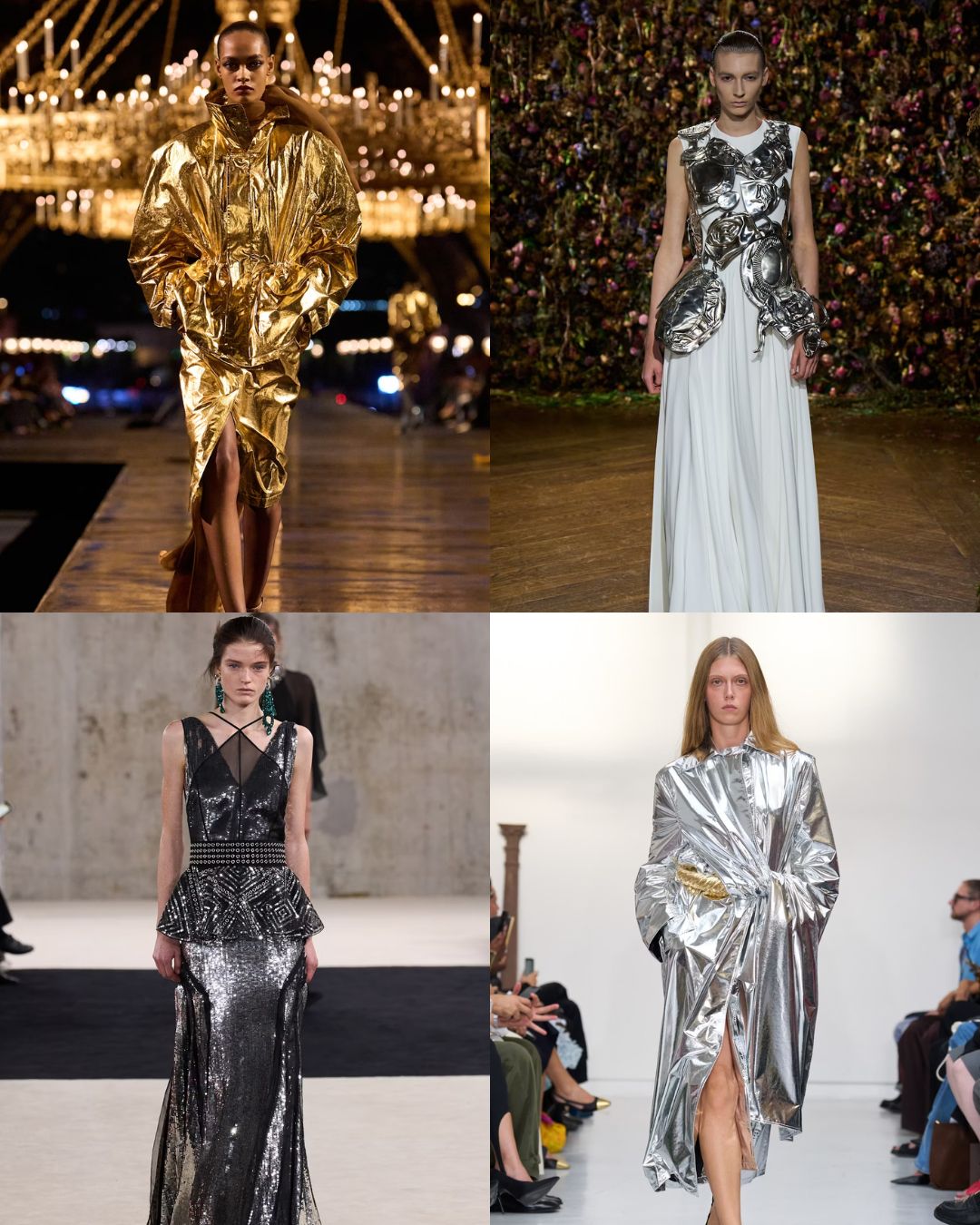
Paris Fashion Week SS27 has officially declared minimalism over, ushering in a breathtaking era of high-impact...
Monday, 05 October 2026 - 11:00
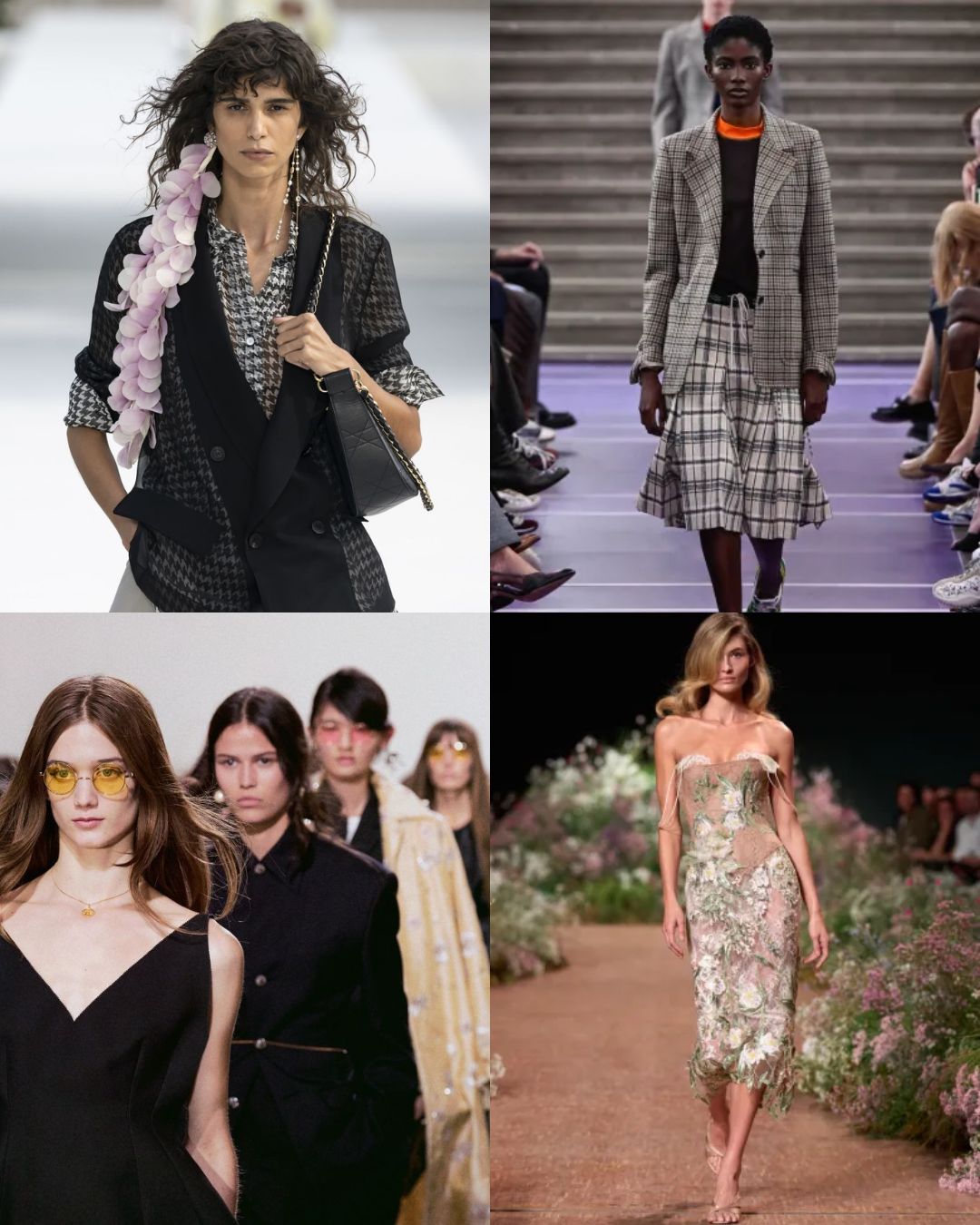
Paris Fashion Week has been nothing short of a whirlwind, turning the French capital into the ultimate...
Tuesday, 29 September 2026 - 13:08
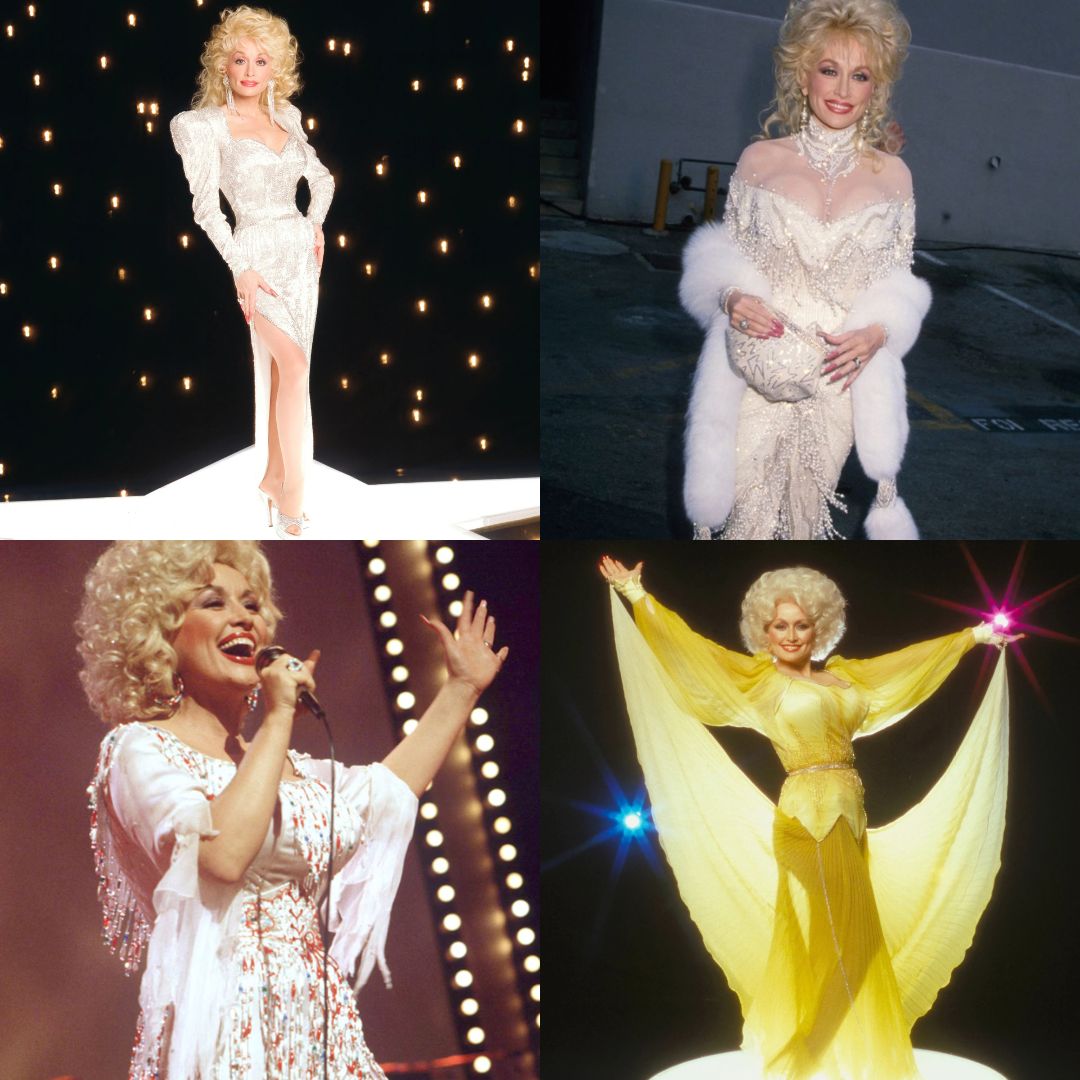
In the world of fashion, true icons are defined not by fleeting trends, but by an unwavering, uncompromising...



Thursday, 15 October 2026

Wednesday, 07 October 2026

Thursday, 01 October 2026

Friday, 16 October 2026
Wednesday, 07 October 2026
Thursday, 01 October 2026

Tuesday, 18 August 2026