
Latest News

The Ultimate Guide to the Perfect Coffee Soufflé
Friday, 17 April 2026 - 17:39 | Views - 183
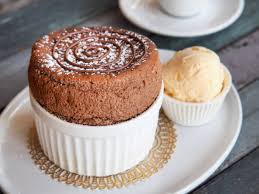
The soufflé has a reputation for being the "final boss" of French desserts—intimidating, temperamental, and prone to dramatic collapses. However, once you understand the science of the rise, it becomes a remarkably manageable (and impressive) treat.
A coffee soufflé, specifically, offers a sophisticated balance of bitterness and sweetness, making it the perfect end to a dinner party.
Ingredients You’ll Need
The Base (The Flavor):
-
1 cup Whole milk
-
3 tbsp Instant espresso powder (provides a deeper flavor than regular coffee)
-
3 Large egg yolks
-
3 tbsp Granulated sugar
-
2 tbsp All-purpose flour
-
1 tbsp Unsalted butter
The Aeration (The Lift):
-
4 Large egg whites (at room temperature)
-
1/4 cup Granulated sugar
-
1/2 tsp Cream of tartar (the secret to stability)
Step-by-Step Instructions
1. Prep the Ramekins
This is the most important step for a straight rise. Coat the inside of your ramekins with softened butter using vertical strokes. Dust the inside with granulated sugar, tapping out the excess. The vertical brush marks and the sugar "ladder" help the batter climb the walls of the dish.
2. Create the Coffee Pastry Cream
Whisk the egg yolks, 3 tbsp sugar, and flour in a bowl until pale. In a saucepan, heat the milk and espresso powder until simmering. Slowly pour half of the hot milk into the egg mixture while whisking constantly (tempering). Pour everything back into the saucepan and cook over medium heat until it thickens into a heavy custard. Stir in the butter, then set aside to cool slightly.
3. Whip the Meringue
In a clean, grease-free bowl, beat the egg whites and cream of tartar until soft peaks form. Gradually add the 1/4 cup of sugar while continuing to beat until you reach stiff, glossy peaks. When you lift the whisk, the peak should stand straight up without drooping.
4. The Fold
Gently stir a third of the egg whites into the coffee base to lighten it. Then, using a spatula, fold in the remaining whites with a "cut and fold" motion. Stop the moment no white streaks remain. Over-mixing will deflate the air you just worked so hard to incorporate.
5. The Bake
Fill the ramekins to the brim. Run your thumb around the inside edge of the rim to create a small "moat"—this helps the soufflé rise straight up like a top hat. Bake at 375°F (190°C) for 12–15 minutes. Do not open the oven door during the bake, or the rush of cool air may cause a collapse.
Pro Tips for Success
-
Room Temp Eggs: Cold egg whites don't expand as well. Set your eggs out an hour before baking, or place them in a bowl of warm water for 5 minutes.
-
The "Clean Bowl" Rule: Even a tiny drop of fat (yolk or oil) in your egg whites will prevent them from reaching stiff peaks. Use a metal or glass bowl rather than plastic.
-
The "Moat" Method: Using your thumb to clear a 1/4-inch path around the rim of the batter ensures the soufflé doesn't stick to the edges and rise lopsided.
Time-Saving Shortcuts
If you’re short on time or feeling nervous, use these "cheat" methods:
-
The "Make-Ahead" Base: You can make the coffee pastry cream (Step 2) up to two days in advance. Just keep it in the fridge with plastic wrap pressed against the surface. When you're ready to bake, whisk it to loosen it up before folding in fresh egg whites.
-
Skip the Flour: For a lighter, gluten-free version, skip the pastry cream step. Simply whisk instant espresso into your egg yolks and sugar, then fold that directly into your whipped egg whites. It won't be as "cake-like," but it will still rise beautifully.
-
Microwave Hack: If you are only making one for yourself, you can microwave a soufflé in a mug for 45–60 seconds. It won't have the golden crust, but it will satisfy a craving.
Troubleshooting Common Issues
-
It didn't rise: Your egg whites were likely under-whipped, or you folded too aggressively, popping the air bubbles.
-
It rose lopsided: This usually means the ramekin wasn't greased evenly or there were drips of batter on the rim that "glued" one side down.
-
It fell immediately: All soufflés fall within 5–10 minutes. However, if it falls the second it hits the air, it was likely underbaked in the center.







Monday, 12 October 2026 - 12:07
Paris Fashion Week SS27 has officially declared minimalism over, ushering in a breathtaking era of high-impact...

Monday, 05 October 2026 - 11:00
Paris Fashion Week has been nothing short of a whirlwind, turning the French capital into the ultimate...
Tuesday, 29 September 2026 - 13:08
In the world of fashion, true icons are defined not by fleeting trends, but by an unwavering, uncompromising...



Thursday, 15 October 2026

Wednesday, 07 October 2026

Thursday, 01 October 2026


Friday, 16 October 2026

Wednesday, 07 October 2026
Thursday, 01 October 2026

Tuesday, 18 August 2026