
Latest News

Mastering Homemade Pasta Sheets for the Perfect Lasagna
Monday, 16 February 2026 - 17:22 | Views - 355
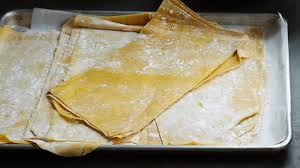
Making homemade lasagna sheets is a rewarding process that significantly improves the texture and taste of the final dish compared to store-bought dried pasta. The goal is to create a dough that is pliable, durable, and thin enough to cook quickly while absorbing the flavors of your sauce.
Here is a method for creating high-quality pasta sheets from scratch.
Ingredients and Preparation
To make dough for a standard-sized lasagna pan, you will need two cups of high-quality "00" flour, which is finely milled and produces a silky dough. Combine this with three large eggs and a teaspoon of olive oil.
The Mixing and Kneading Process
Start by dumping the flour onto a clean countertop and forming a well in the center. Crack the eggs into the well and add the olive oil. Using a fork, gradually incorporate the flour into the eggs until a shaggy dough forms.
Once the dough comes together, begin kneading it by hand. This is the most crucial step for texture. Knead vigorously for about ten minutes, stretching the dough away from you and folding it back over. The goal is to develop the gluten fully. The dough is ready when it is smooth, elastic, and no longer sticks to your hands. If it feels dry, add a tiny amount of water; if it is too sticky, dust it lightly with flour.
Wrap the dough tightly in plastic wrap and let it rest at room temperature for at least thirty minutes. This resting period allows the gluten to relax, making it much easier to roll out.
Rolling the Pasta Sheets
After the dough has rested, divide it into four smaller pieces. Working with one piece at a time while keeping the others covered to prevent drying, flatten the piece into a disk.
If using a hand-crank pasta machine, pass the dough through the thickest setting multiple times, folding it in half between passes to build structure. Gradually decrease the thickness setting one notch at a time until you reach the desired thickness, usually the second or third thinnest setting.
If rolling by hand, use a rolling pin to gradually roll the dough from the center outward, constantly rotating the sheet to maintain an even thickness.
The Finer Method and Cooking Tips
To ensure the best lasagna, do not skip the boiling step. Fresh pasta needs to be partially cooked, or "parboiled," before assembly.
Bring a large pot of heavily salted water to a rolling boil. Drop the sheets in just two or three at a time so they do not stick together. Cook for only sixty to ninety seconds. Immediately remove the sheets with a slotted spoon or spider strainer and plunge them into an ice-water bath to stop the cooking process instantly.
Once cooled, lay the sheets flat on clean kitchen towels or parchment paper to dry slightly. This method ensures the sheets are pliable enough to layer but sturdy enough to hold the structure of the lasagna without becoming mushy.







Monday, 27 July 2026 - 9:40
After years dominated by hyper-saturated trend cycles and sleek, ultra-smooth minimalism, fashion has...

Monday, 20 July 2026 - 9:35
The era of hyper-rigid seasonal dress codes has quietly dissolved. Where personal style once demanded...
Monday, 08 June 2026 - 18:35
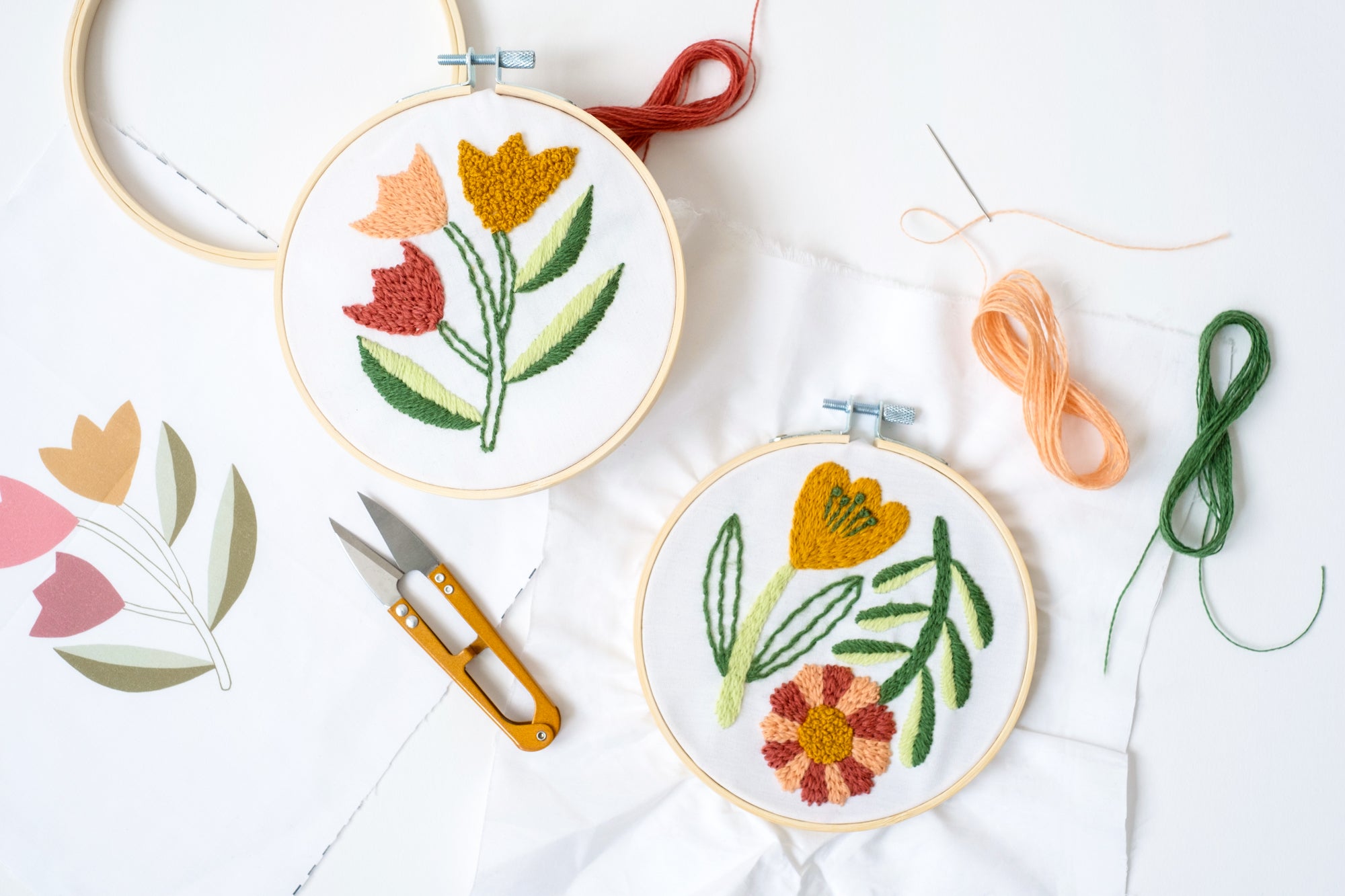
There was a time when sleek, unadorned surfaces and flat printed graphics defined what it meant to be...



Wednesday, 23 September 2026

Tuesday, 25 August 2026

Thursday, 13 August 2026


Tuesday, 18 August 2026

Tuesday, 28 July 2026

Monday, 20 July 2026
Friday, 15 May 2026