
Latest News

Why Dogs Love Sitting in the Hot Sun
Saturday, 07 November 2026 - 18:58 | Views - 221
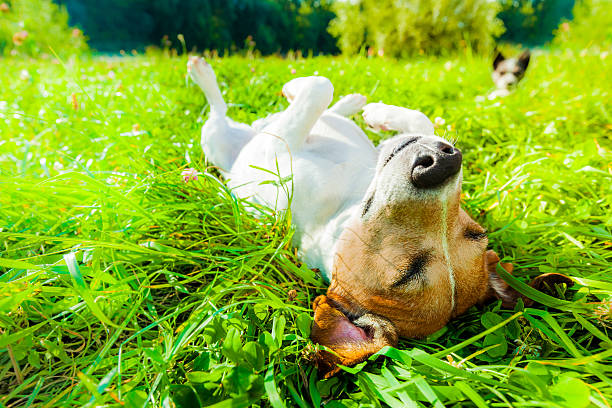
Why Dogs Love Sitting in the Hot Sun (And How to Keep Them Safe)
That common habit of a dog finding a patch of intense sunlight and flopping down like a solar panel is familiar to almost every pet owner. For the most part, it is completely normal, safe, and beneficial—provided it is done in moderation. However, because dogs are not always great at knowing when to stop, it can turn dangerous quickly.
Why Dogs Seek Out the Hot Sun
Dogs do not just lie in the sun out of boredom; they are driven by physical, mental, and biological rewards:
1. Temperature Regulation & Energy Conservation
Even on warm days, lying in the sun allows a dog to maintain its core body temperature (101.0^\circ\text{F} - 102.5^\circ\text{F}) without expending metabolic energy. It lets their muscles relax completely while their body stays warm effortless.
2. Mood & Sleep Regulation
Direct sunlight boosts the production of serotonin (the hormone responsible for mood stability and happiness) and helps regulate melatonin, which controls sleep-wake cycles. This is why dogs often drift into a deep, peaceful sleep while sunbathing.
3. Natural Joint and Muscle Pain Relief
The direct warmth of the sun acts like a natural heating pad. It increases blood circulation, soothing stiff joints, arthritis, and old injuries—which is why senior dogs are particularly drawn to sunny spots.
4. Vitamin D Synthesis (With a Twist)
While humans absorb Vitamin D directly through the skin, dogs synthesize Vitamin D3 in the natural oils (sebum) on their coat when exposed to UV light. When they groom and lick themselves afterward, they ingest small amounts of it. (Though their primary source of Vitamin D remains a balanced diet).
Is There Anything Wrong with It?
Yes, there can be—if it is not monitored. While seeking warmth is a natural behavior, dogs can easily overdo it, leading to serious health issues.
The Key Risks:
Heatstroke & Hyperthermia: Dogs do not sweat through their skin like humans do; they primarily cool down by panting and releasing a small amount of heat through their paw pads. If the ambient heat is too high, panting becomes ineffective, causing their internal temperature to spike dangerously above 104^\circ\text{F}.
Sunburn: Dogs can get sunburned, especially on areas with thin or no hair (belly, nose, ears, and muzzle). Pink-skinned, short-haired, or light-coated breeds are at high risk.
Skin Cancer: Chronic, repeated sun damage can lead to skin cancers like squamous cell carcinoma or melanoma.
Dehydration: Prolonged exposure rapidly drains their hydration levels, making it harder for their body to cool down.
High-Risk Groups
Pay extra attention if a dog falls into any of these categories:
Brachycephalic (Flat-Faced) Breeds: Bulldogs, Pugs, Boxers, and Boston Terriers cannot pant efficiently and overheat twice as fast as long-snouted dogs.
White or Light-Coated Dogs: Dalmatians, Pit Bulls, Bull Terriers, or dogs with recently shaved coats have very little natural protection against UV rays.
Seniors or Sick Dogs: Older dogs with arthritis might stay in the sun for joint relief even after their core temperature gets dangerously high because getting up and moving away takes effort.
Warning Signs: Has the Dog Had Too Much Sun?
If a dog exhibits any of the following symptoms, step in immediately:
Mild Overheating / Sunburn Severe Warning Signs (Heatstroke Emergency)
• Red, tender, or inflamed skin (belly/nose) • Heavy, frantic panting or thick, sticky drool
• Skin feels hot to the touch • Bright red, dark purple, or pale gums
• Mild lethargy or seeking water heavily • Unsteadiness, dizziness, or collapse
• Excessive licking of belly or legs • Vomiting or diarrhea
What You Need to Do (Prevention & Action Plan)
1. Daily Management Guidelines
Limit Sunbathing Sessions: Keep continuous direct sunbathing to 15–20 minutes at a time, especially during peak UV hours (10:00 AM – 4:00 PM).
Always Provide Choice: Ensure there is immediate access to shade (a covered patio, trees, or indoor air conditioning) and a bowl of fresh, cool water.
Apply Dog-Safe Sunscreen: If a dog has a light coat or thin hair on their belly or nose, apply a pet-formulated sunscreen. Never use human sunscreen, as ingredients like zinc oxide and salicylates are toxic to dogs if licked.
Touch-Test the Ground: If patio tiles, deck boards, or pavement are too hot for the back of a human hand for 7 seconds, they are hot enough to burn a dog's paw pads.
2. Immediate Action for Overheating
If a dog shows signs of heavy panting, red gums, or sluggishness:
Move them immediately to a cool, shaded area or air-conditioned room.
Offer cool (not ice-cold) water to drink in small amounts.
Apply lukewarm to cool water over their body, focusing on the neck, chest, belly, and paw pads. Do not use ice baths or freezing water, as extreme cold causes blood vessels to constrict, trapping heat inside the core.
Use a fan to blow air over their wet fur to speed up cooling.
Contact a veterinarian immediately if the dog is vomiting, unsteady, or unresponsive, as heatstroke can cause internal organ damage if not treated promptly.







Wednesday, 11 November 2026 - 9:56
The Los Angeles County Museum of Art hosted its milestone 15th annual Art+Film Gala, bringing together...

Monday, 02 November 2026 - 11:22
Marking one year since his acclaimed debut as Chanel’s artistic director, Matthieu Blazy delivered...

Monday, 26 October 2026 - 10:31
The Victoria’s Secret Runway Show returned to Los Angeles on Sunday night with a high-stakes blend...



Saturday, 07 November 2026

Saturday, 31 October 2026

Saturday, 24 October 2026


Saturday, 07 November 2026

Saturday, 31 October 2026

Saturday, 24 October 2026

Friday, 16 October 2026