
Latest News

Why Pets Sleep Close, Curl Up, and Turn Their Backs to You
Saturday, 31 October 2026 - 19:58 | Views - 74
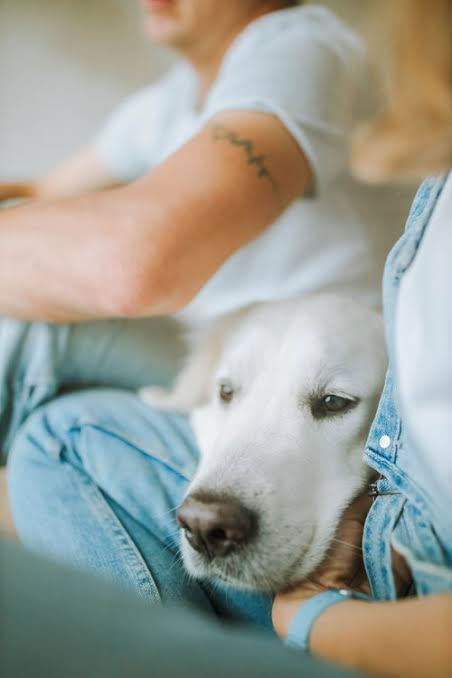
If you share your home with a dog or cat, you are likely familiar with their daily personal space rituals. They press against your leg on the couch, curl into the small of your back in bed, or hop up onto the mattress and deliberately face outward, turning their back straight toward you.
While these behaviors can sometimes seem quirky or aloof, animal behaviorists note that every inch of physical contact—and the exact direction your pet faces—is a deliberate form of non-verbal communication rooted in instinct, emotional bonding, and biological necessity.
1. Why Pets Sit Close and Sleep Near You
Deep Trust and Vulnerability
Sleep is the most vulnerable state an animal can experience. In the wild, lying down to rest leaves a creature exposed to potential threats. When your pet chooses to sleep beside you, under your covers, or leaning against your side, they are communicating an absolute level of safety. They view you as a secure anchor and feel confident that no danger will come to them while in your immediate vicinity.
Pack Instincts and Social Sleeping
Both dogs and cats possess evolutionary drives toward communal sleeping:
- Canines: As pack animals, dogs instinctively sleep in tight physical clusters ("puppy piles") from infancy. This behavior releases oxytocin—the bond-promoting hormone—and reinforces social hierarchy and group cohesion.
- Felines: While adult cats are often viewed as solitary hunters, they practice social resting within stable colonies. Bedding down near a trusted human is a direct sign that you are accepted as part of their inner family circle.
Thermal Regulation and Comfort
From a purely biological standpoint, human body heat is highly appealing. Domesticated animals—especially shorter-haired breeds, smaller pets, or senior animals—seek out consistent warmth to regulate their core body temperature during sleep. Your lap or side acts as a natural heater, allowing their muscles to fully relax into deeper REM sleep cycles.
2. The Meaning Behind Turning Their Back to You
It is easy to misinterpret a pet settling down with their rear facing your face as a sign of indifference or disrespect. In animal behavior, however, it is actually one of the ultimate compliments your pet can pay you.
The Ultimate Compliment of Safety
An animal never exposes their blind spot to a creature or environment they distrust. By turning their spine toward you, your pet is removing their own vision from your direction. They are signaling complete certainty that you pose zero physical threat and will never harm them from behind.
The "Watch Duty" Defense Strategy
In wild pack and colony dynamics, animals often sleep facing outward from one another in a back-to-back formation. This tactical arrangement maximizes their visual perimeter:
- Your pet guards the room: They position their eyes and ears toward the entryway or bedroom floor to watch for incoming noise or movement.
- You guard their rear: They rely on your physical presence to secure the area behind them.
By sleeping back-to-back, your pet is inviting you into a cooperative security pact, trusting that between the two of you, all angles are covered.
Key Sleep Positions and Their Meanings
- Pressed Flush Against Your Side: Driven by a desire for security, reassurance, and physical connection while soaking in body heat.
- Snoozing Directly on Your Chest or Head: Guided by scent recognition and the rhythmic, calming sounds of your heart and breathing.
- Curled at the Foot of the Bed: Balances their need for personal space while keeping a watchful eye on the entrance of the room.
- Facing Outward with Their Back to You: Demonstrates peak vulnerability and trust while actively monitoring room sightlines.
The Emotional Takeaway
When your pet presses into your space, settles on your bed, or spins around to face the door with their back resting against your legs, they are engaging in an ancient language of survival and affection. Through proximity and posture, they are expressing thermal comfort, instinctual pack protection, and a profound declaration that you are their ultimate safe zone.







Monday, 26 October 2026 - 10:31
The Victoria’s Secret Runway Show returned to Los Angeles on Sunday night with a high-stakes blend...

Monday, 19 October 2026 - 10:25
The sixth annual Academy Museum Gala lit up Los Angeles as stars gathered in support of the Academy Museum...
Monday, 12 October 2026 - 12:07
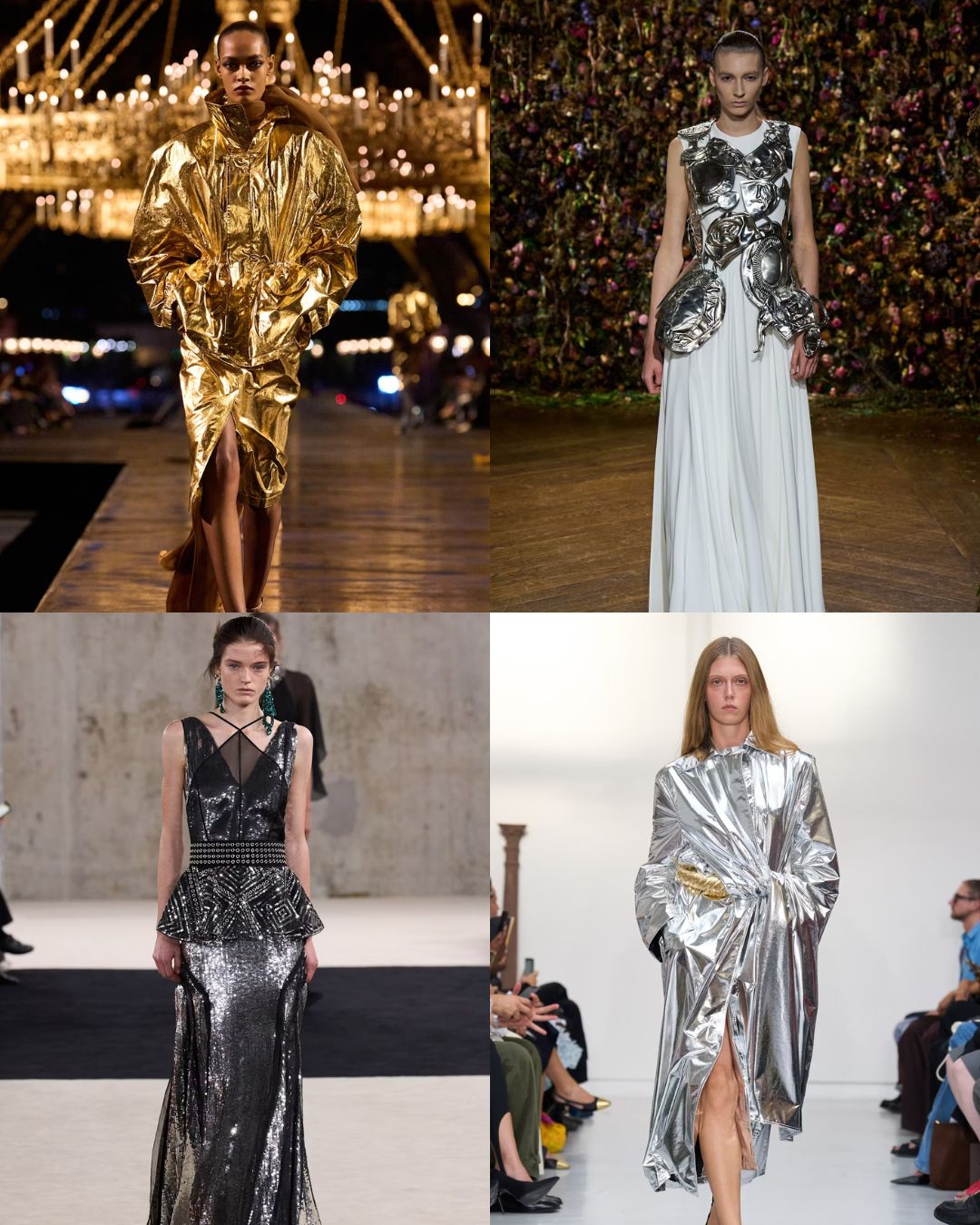
Paris Fashion Week SS27 has officially declared minimalism over, ushering in a breathtaking era of high-impact...


Saturday, 31 October 2026
Saturday, 24 October 2026

Thursday, 15 October 2026

Saturday, 31 October 2026
Saturday, 24 October 2026

Friday, 16 October 2026
Wednesday, 07 October 2026