
Latest News

Understanding Your Dog’s Eating Habits: Free Feeding vs. Scheduled Meals
Saturday, 24 October 2026 - 19:15 | Views - 317
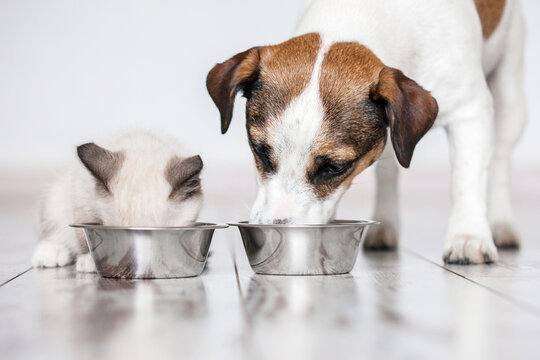
When a dog doesn’t eat their food immediately after it is put down and instead grazes throughout the day—a pattern known as “free feeding”—it is a very common scenario. While it is often perfectly normal, understanding why it happens and how to manage it can ensure your dog stays healthy and happy.
Is Something Wrong?
In most cases, no, nothing is wrong, provided your dog is active, alert, maintaining a healthy weight, and not showing other signs of illness.
Dogs have individual personalities and metabolic needs:
- Natural Grazers: Just like humans, some dogs prefer small, frequent snacks rather than eating a large meal all at once.
- Low Food Drive: High-drive breeds (like Labradors) often inhale food instantly, but many other dogs are simply less motivated by food.
- Energy Output: On quieter days, dogs burn fewer calories and may naturally eat less or wait until evening when they feel hungry.
When It Could Signal a Problem
Leaving food untouched can occasionally point to an underlying issue:
- Dental or Mouth Discomfort: Gum inflammation or tooth pain can make chewing dry kibble uncomfortable.
- Mild Digestive Upset: Nausea, acid reflux, or an upset stomach can reduce appetite.
- Stress or Environmental Changes: Moving homes, loud noises, or changes in the household routine can affect appetite.
- Overfeeding or Excessive Treats: If a dog gets plenty of treats, human food, or high-calorie snacks, they may simply be full when mealtime arrives.
The Pros and Cons of Leaving Food Out All Day
| Benefits | Drawbacks |
|---|---|
| Convenience: You don't have to worry about strict feeding hours. | Picky Behavior: Constant access can make dogs selective or bored with their food. |
| Low Stress: Works for naturally lean dogs who regulate their own food intake well. | Hard to Track Health: It is difficult to notice a sudden drop in appetite, which is often the first sign of illness. |
| Hygiene Risks: Open bowls attract ants, flies, or pests, and food can go stale or spoil. |
Step-by-Step Action Plan: How to Establish Scheduled Feeding
Transitioning your dog from grazing to a structured schedule is widely recommended by veterinarians and trainers. It creates routine, helps monitor health, and builds appetite.
1. Implement the 15-to-20-Minute Rule
- Set the meal down at the same time every morning and evening.
- Leave the bowl down for 15 to 20 minutes.
- If your dog hasn't eaten, pick the bowl up without making a fuss or giving extra attention.
- Do not offer food again until the next scheduled meal.
Note: A healthy adult dog will not harm themselves by skipping a meal. Once they learn that food isn't available all day, they will naturally begin eating when the bowl is placed down.
2. Cut Back on Extra Treats
Ensure treats and table scraps aren't spoiling their appetite before meals. Save treats for training sessions or rewards.
3. Make Mealtime More Enticing
If your dog needs a bit of encouragement:
- Add Warm Water or Broth: Mix a small amount of warm water or low-sodium bone broth into dry kibble to enhance the smell and soften the texture.
- Warm It Up: Mildly warming food releases aromas that stimulate a dog's sense of smell.
- Use Interactive Feeders: Puzzle toys or slow-feeder bowls turn mealtime into a game, which can engage dogs that find plain bowls uninteresting.
4. Maintain Consistency
Avoid constantly switching dog food brands or adding high-value toppers every time they hesitate. Doing so can accidentally train your dog to hold out for something "better".
When to Consult Your Veterinarian
Schedule a check-up if you notice any of the following red flags:
- Your dog goes more than 24 to 48 hours without eating at all.
- Unexplained weight loss or lethargy.
- Symptoms like vomiting, diarrhea, drooling, or bad breath.
- Sudden changes in a dog that previously ate eagerly.







Monday, 26 October 2026 - 10:31
The Victoria’s Secret Runway Show returned to Los Angeles on Sunday night with a high-stakes blend...

Monday, 19 October 2026 - 10:25
The sixth annual Academy Museum Gala lit up Los Angeles as stars gathered in support of the Academy Museum...

Monday, 12 October 2026 - 12:07
Paris Fashion Week SS27 has officially declared minimalism over, ushering in a breathtaking era of high-impact...


Saturday, 31 October 2026
Saturday, 24 October 2026

Thursday, 15 October 2026

Saturday, 31 October 2026
Saturday, 24 October 2026
Friday, 16 October 2026
Wednesday, 07 October 2026