
Latest News

Why Your Dog Digs Under the Table and What You Should Do
Thursday, 15 October 2026 - 18:23 | Views - 210
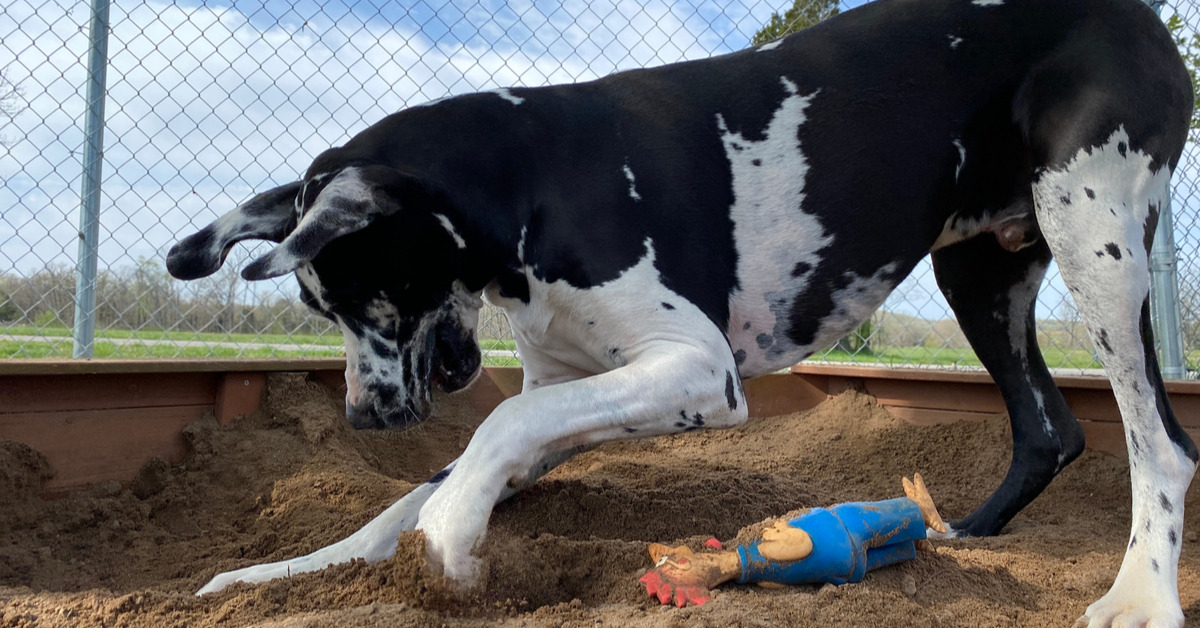
If you have ever caught your dog frantically pawing, scratching, or "digging" at the carpet, rug, or tile floor directly under a dining table, desk, or coffee table, you are not alone. While it might seem nonsensical—after all, no amount of scratching will yield dirt indoors—this specific behavior is surprisingly common.
To solve the puzzle, you need to look at what the space under a table represents to a dog: a covered, low-ceilinged, enclosed structure that closely resembles a natural den or cave.
1. Why Your Dog Digs Under the Table
Indoor digging is rarely about trying to get anywhere; it is an instinctual output driven by emotional, environmental, or physical triggers.
A. Den-Building and Nesting Instincts
In the wild, canine ancestors dug out hollows under low branches, fallen trees, or rocky overhangs to create a secure, sheltered bed. The underside of a table naturally offers a structure with four "legs" and a "roof." When your dog digs at the floor under a table, they are often performing an ancestral nesting ritual—arranging the "ground" to create a safe, cozy spot to rest.
B. Seeking Security and Stress Relief
The enclosed space under a table creates a feeling of a protective barrier. If your dog is feeling anxious—due to loud household noises, thunder, fireworks, environmental changes, or visitor overload—they will seek out "den-like" cover. Digging is a physical outlet for stress; scratching against the floor releases endorphins and acts as a self-soothing mechanism.
C. Temperature Regulation
Tables are often positioned over cool tiles, hardwood, or shaded areas. In hot weather, dogs instinctively dig to scrape away warm surface dirt to reach cooler soil underneath. Indoors, a dog feeling warm might dig under a shady table attempting to "scrape away" the top layer of carpet or rug to find a cooler surface.
D. Hiding "Valuables" (Resource Guarding)
If your dog has a high-value item—such as a chew toy, treat, bone, or even a stolen sock—the underside of a table feels like a secluded spot to stash it. They may dig at the floor or carpet in an attempt to "bury" their treasure, sometimes pushing imaginary dirt over the item with their nose.
E. Boredom and Excess Energy
When dogs lack adequate physical exercise or mental stimulation, they invent their own jobs. Under-table digging can simply be a way to burn off frustration or pass the time, especially if the texture of the carpet or rug under the table provides satisfying physical feedback.
F. Investigating Scents or Pests
Tables—especially dining tables—are hotspots for microscopic food crumbs, spilled oils, and lingering smells. Dogs have an astonishing sense of smell, and a scent trapped in rug fibers or between floorboards under the table can trigger their investigative digging drive.
2. What You Should Do: Practical Solutions
Preventing this behavior requires a blend of management, redirection, and meeting your dog's underlying emotional or physical needs.
+-------------------------------------+ | Identify the Underlying Cause | | (Anxiety, Nesting, Heat, Boredom) | +------------------+---------- --------+ | +------------------------+---- --------------------+ | | +--------v-------+ +--------v-------+ | MANAGEMENT | | ENRICHMENT | +----------------+ +----------------+ | • Add a bed | | • Puzzle toys | | • Block access | | • Lick mats | | • Protect rugs | | • Dig boxes | +----------------+ +----------------+
1. Provide a Safe "Den" Alternative
If your dog is seeking shelter or comfort, give them a designated space that mirrors the feel of a table:
- Place an orthopedic bed or a covered, cave-style dog bed under or near the table.
- Use an open crate covered with a light blanket to create a dark, quiet sanctuary.
- Lay down a durable, washable blanket in their chosen spot so they can scratch and shape their "nest" without damaging your flooring or carpets.
2. Redirect with a "Dig Box" or Approved Scratch Surfaces
If your dog's urge to dig is purely behavioral or breed-driven (common in Terriers and Dachshunds):
- Indoor Dig Box: Fill a shallow plastic storage bin or a fabric basket with folded blankets, old towels, or soft plush toys. Hide treats inside and encourage your dog to "dig" there instead.
- Lick Mats & Chews: Digging releases nervous energy. Offer a frozen treat-stuffed toy or a lick mat under the table to redirect their focus into a calming, constructive activity.
3. Adjust Temperature & Clean Food Scraps
- Cooling: If your dog digs under the table during warm months, consider setting up a cooling gel pad or keeping a fan low to the floor in that area.
- Cleaning: Deep clean the rug or floor under the dining table using an enzymatic cleaner to remove any faint scent of dropped food or animal scents that might be driving them crazy.
4. Increase Daily Exercise and Enrichment
A tired dog is a calm dog. Make sure your pet receives enough structured daily activity:
- Physical activity: Daily walks with plenty of opportunity to sniff.
- Mental stimulation: Puzzle feeders, obedience practice, or hide-and-seek games.
5. What Not to Do
- Avoid Punishment: Never yell, scold, or physically punish your dog for digging. If the digging is caused by fear or anxiety, scolding will only raise their stress level and worsen the behavior.
- Interrupt Gently: If you catch them in the act, interrupt them with a calm, upbeat sound, ask for a simple command like "sit" or "come," and redirect them to their bed or a chew toy.
Summary Checklist
| Action Step | Objective |
|---|---|
| Add a blanket or cave bed under the table | Fulfills the nesting instinct safely |
| Deep-clean the rug/floor | Removes tempting food or scent triggers |
| Introduce puzzle toys | Redirects bored or anxious energy |
| Provide a cooling pad | Prevents heat-seeking digging |
By understanding that your dog views the area under the table as a sanctuary, you can transform an annoying habit into a safe, comfortable routine for your pet.







Monday, 12 October 2026 - 12:07
Paris Fashion Week SS27 has officially declared minimalism over, ushering in a breathtaking era of high-impact...

Monday, 05 October 2026 - 11:00
Paris Fashion Week has been nothing short of a whirlwind, turning the French capital into the ultimate...

Tuesday, 29 September 2026 - 13:08
In the world of fashion, true icons are defined not by fleeting trends, but by an unwavering, uncompromising...



Thursday, 15 October 2026

Wednesday, 07 October 2026

Thursday, 01 October 2026


Friday, 16 October 2026
Wednesday, 07 October 2026
Thursday, 01 October 2026

Tuesday, 18 August 2026