
Latest News

how to Transitioning an outdoor-roaming cat into a full-time indoor companion
Thursday, 01 October 2026 - 13:13 | Views - 251
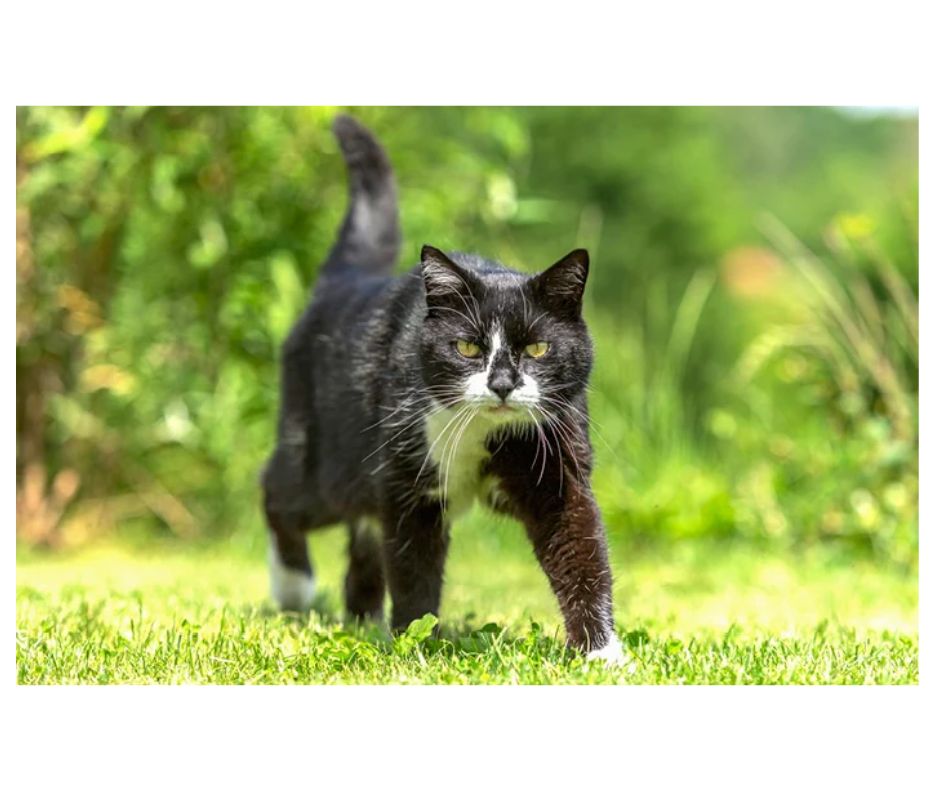
Transitioning an outdoor-roaming cat into a full-time indoor companion is one of the most rewarding yet challenging projects a pet parent can undertake. When a cat has spent their life treating the neighborhood as their personal playground—popping in strictly for meals and then vanishing back into the wild—making the shift requires patience, a strategic environment upgrade, and a lot of consistency.
Below is a comprehensive guide exploring the transition process, complete with the pros and cons of making your cat an exclusive indoor resident.
The Transition Plan: How to Keep an Outdoor Roamer Indoors
Shifting a cat’s routine cold-turkey often leads to behavioral distress, excessive vocalization, and escape attempts. Instead, use a gradual, structured approach:
1. Secure Your Perimeter and Enrich the Windows
Indoor life feels confining to an adventurer primarily because they lose their visual and sensory stimulation.
Safe Sightlines: Clear access to windows so they can watch birds, cars, and neighborhood movement. Consider setting up a sturdy bird feeder outside a specific window to create "cat TV."
Screen Safety: Ensure all windows and doors have reinforced screens. Cats accustomed to the outdoors will test weak meshes if they smell freedom.
2. Shift the Feeding and Reward Schedule
Since your cat already comes home for meals, leverage this to anchor their routine.
Gradual Lockdown: Start by keeping them indoors immediately after their meal, rather than letting them right back out. Use high-value treats (like freeze-dried chicken or lickable purees) inside the house right when feeding time ends to create a positive association with staying inside.
Meal Puzzles: Keep their brain engaged during traditional roaming hours by using puzzle feeders or foraging toys so they "hunt" for food indoors instead of outside.
3. Vertical Territory and Play Therapy
Outdoor cats burn massive amounts of energy patrolling, climbing, and hunting. You must replicate this inside.
Vertical Space: Install cat trees, wall shelves, or clear off high bookshelves so they can survey their indoor domain from above.
Exhaustive Play Sessions: Dedicate 15 to 20 minutes at least twice a day to interactive play using wand toys (like feathered teasers). Simulate the hunt: let them stalk, chase, catch, and finally "eat" (follow a play session with a small meal or treat).
4. Outdoor Access Alternatives
If total confinement causes extreme stress, consider controlled compromise:
Catio (Cat Patio): A secure outdoor enclosure attached to a window or door allows them to feel the breeze, smell the air, and watch the yard safely without the risks of roaming.
Leash and Harness Training: Some adaptable cats take well to walking on a harness and leash, letting them explore the garden under your direct supervision.
The Pros of Keeping Your Cat Indoors
Drastically Increased Lifespan: Indoor cats typically live 10 to 15+ years, whereas outdoor-roaming cats have a significantly shorter average lifespan (often 2 to 5 years) due to environmental hazards.
Protection from External Dangers: Zero risk of road traffic accidents, dog attacks, fights with other territorial cats (which spread feline immunodeficiency virus and abscesses), or malicious human interference.
Disease and Parasite Prevention: Drastically lower exposure to fleas, ticks, ear mites, intestinal worms, feline leukemia, and deadly toxins like rodenticides.
No Missing Cat Panic: You will no longer experience the anxiety of waiting hours—or days—wondering if your cat got trapped somewhere or harmed while roaming.
Wildlife Preservation: Keeps local bird and lizard populations safe from natural hunting instincts.
The Cons and Challenges to Expect
Behavioral Frustration and Cabin Fever: Cats accustomed to roaming have built-in pacing habits. Expect vocalization (meowing at doors), restless pacing, or attempts to bolt between your legs when the front door opens during the initial weeks.
Risk of Stress-Induced Issues: Sudden confinement can cause stress, which sometimes manifests as redirected aggression toward other household pets, over-grooming, or inappropriate elimination (urinating outside the litter box).
Weight Gain and Lethargy: Without acres to patrol, indoor cats burn fewer calories. You will need to carefully monitor their portions and actively schedule playtime to prevent feline obesity and related health issues like diabetes.
Intense Demands on Your Time: An indoor ex-roamer relies entirely on you for entertainment. If they are bored, they will find their own entertainment—which might involve knocking things off counters or waking you up at dawn.
Transitioning an outdoor cat takes anywhere from a few weeks to a couple of months. By replacing the thrill of the outdoors with indoor enrichment, hunting games, and secure viewing spots, you can help your furry adventurer safely settle into a cozy, protected indoor lifestyle.







Monday, 19 October 2026 - 10:25
The sixth annual Academy Museum Gala lit up Los Angeles as stars gathered in support of the Academy Museum...

Monday, 12 October 2026 - 12:07
Paris Fashion Week SS27 has officially declared minimalism over, ushering in a breathtaking era of high-impact...

Monday, 05 October 2026 - 11:00
Paris Fashion Week has been nothing short of a whirlwind, turning the French capital into the ultimate...



Thursday, 15 October 2026

Wednesday, 07 October 2026

Thursday, 01 October 2026


Friday, 16 October 2026
Wednesday, 07 October 2026

Thursday, 01 October 2026

Tuesday, 18 August 2026