
Latest News

Helping Surviving Pets Understand Loss: The Do's and Don'ts
Wednesday, 08 July 2026 - 11:14 | Views - 258
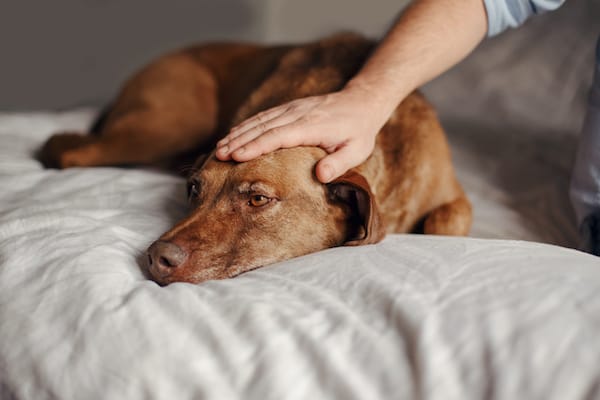
The Critical First Step: Allowing the "Viewing"
If it is possible and hasn't passed yet, the most effective way to let pets know a companion has died is to let them see and sniff the body.
Animals do not have an abstract concept of "the future" or "away." If a companion simply disappears, they may spend weeks anxiously searching the house, pacing, and waiting by the door. Seeing the body provides immediate, instinctual closure.
- How to do it: Place the deceased pet in a peaceful, neutral area. Let the surviving pets come up in their own time.
- What to expect: Some pets will sniff deeply, nudge the body, or whimpering. Others might look once, turn around, and walk away. Both reactions are completely normal. They are registering the absence of life and the change in scent. A few minutes is usually all they need.
What You Should Do
1. Maintain a Strict Routine
When a pet dies, the household's entire social structure and daily rhythm shatter. Your surviving pets will look for security, and the best way to give it to them is through absolute predictability.
- Feed them at the exact same times.
- Keep your usual walk, play, or grooming schedules.
- Predictability equals safety in the animal world.
2. Allow Them to Grieve Differently
Just like humans, animals show grief in diverse ways. Watch for behavioral shifts over the next few weeks.
- The Seekers: They might become incredibly clingy, following you from room to room for reassurance.
- The Withdrawers: They may sleep more than usual or retreat to a quiet corner. Let them have their space, but monitor them gently.
- The Vocalizers: Cats, in particular, may wander the house yowling or calling out for their lost companion.
3. Use Scent to Transition Comfort
Do not rush to scrub everything clean. The scent of the pet who passed provides comfort initially. Leave their favorite bed or blanket out for a few days so the surviving pets can visit it. Over the next couple of weeks, you can gradually wash or remove these items as the scent naturally fades.
What You Should NOT Do
1. Do NOT Change Their Food Right Now
Grieving pets often experience a drop in appetite. It is incredibly tempting to spoil them with steak, wet food toppers, or new treats to get them to eat.
The Risk: Changing their diet abruptly during a high-stress period can easily trigger severe upset stomachs or diarrhea. Furthermore, you might accidentally reward them for not eating, creating a picky eater down the line. If they skip a meal, take the food away and try again at the next scheduled feeding time. (Contact a vet if a cat goes 24-48 hours without eating, as this can be dangerous).
2. Do NOT Rush Out to Get a "Replacement" Pet
Bringing a new animal into the house immediately to "keep the surviving pet company" is one of the most common mistakes owners make.
- Your surviving pets are mourning a specific relationship, not just an empty space.
- A new, energetic animal can stress a grieving pet, leading to territorial aggression or deep anxiety.
- Give the entire household—including yourself—at least a few months to stabilize before introducing a new dynamic.
3. Do NOT Smother Them with Unusual Attention
It is completely natural to want to pour all your love into the remaining pets. However, if you suddenly start coddling them, speaking in an anxious voice, or holding them constantly when you didn't before, it signals to them that something is wrong.
- Animals mirror our energy. If you act anxious or overly pitiful toward them, it reinforces their anxiety.
- Provide extra love through calm, grounding presence—quietly sitting together on the floor or offering a gentle, steady massage.
Summary Reference Table
| Action | What It Accomplishes |
|---|---|
| Do: Let them sniff the body | Provides biological closure and prevents endless searching. |
| Do: Keep the exact schedule | Reestablishes a sense of safety and control in their environment. |
| Don't: Force immediate eating | Avoids accidental behavioral reinforcement or stomach upset. |
| Don't: Bring home a new puppy/kitten | Prevents overwhelming a stressed animal with a sudden territorial shift. |







Monday, 12 October 2026 - 12:07
Paris Fashion Week SS27 has officially declared minimalism over, ushering in a breathtaking era of high-impact...

Monday, 05 October 2026 - 11:00
Paris Fashion Week has been nothing short of a whirlwind, turning the French capital into the ultimate...

Tuesday, 29 September 2026 - 13:08
In the world of fashion, true icons are defined not by fleeting trends, but by an unwavering, uncompromising...



Thursday, 15 October 2026

Wednesday, 07 October 2026

Thursday, 01 October 2026


Friday, 16 October 2026

Wednesday, 07 October 2026

Thursday, 01 October 2026

Tuesday, 18 August 2026