
Latest News

The Hidden Risks: Why Breeding Pets with Skin Conditions is a Critical Concern
Friday, 03 April 2026 - 15:13 | Views - 226
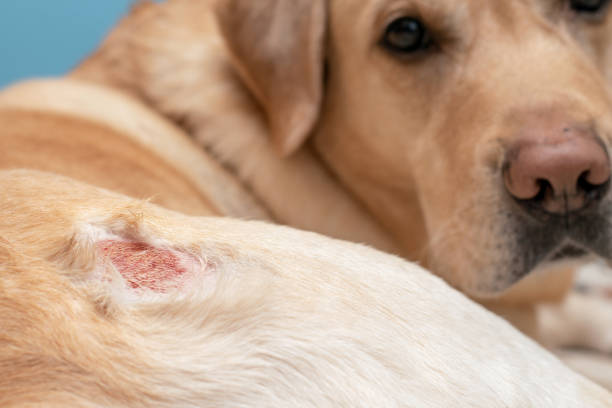
Choosing whether to breed a pet is a significant responsibility that impacts the health of the parent, the well-being of the offspring, and the broader animal population. When a cat or dog suffers from skin issues, the decision becomes even more complex. While a skin condition might seem like a surface-level annoyance, it is often a visible sign of deeper genetic, immune, or environmental struggles.
Here is a detailed look at why breeding a pet with skin issues is generally discouraged by veterinary professionals and ethical breeders.
The Genetic Risk Factor
The most critical reason to avoid breeding a pet with skin problems is the high likelihood of passing those traits to the next generation. Many common skin conditions are hereditary.
-
Atopic Dermatitis: This is an allergic reaction to environmental triggers like pollen or dust. It is widely recognized as having a strong genetic component. If a parent struggles with chronic itching and inflammation, their puppies or kittens are significantly more likely to suffer from the same lifelong discomfort.
-
Congenital Defects: Some breeds are predisposed to specific issues like follicular dysplasia or ichthyosis (scaly skin). Breeding an affected animal ensures these "glitches" remain in the bloodline.
-
Immune System Strength: Skin is the body’s largest organ and its first line of defense. Chronic skin issues often signal a hypersensitive or weakened immune system, which is a trait you do not want to propagate.
The Stress of Pregnancy and Nursing
Pregnancy and the subsequent nursing period are physically exhausting for a mother. A pet already dealing with skin irritation faces several added risks during this time.
Hormonal Fluctuations
Hormones change drastically during pregnancy. For many pets, these shifts can cause "flares" in existing skin conditions. What was once a manageable patch of dry skin can quickly turn into a full-body breakout or a secondary bacterial infection because the mother’s body is redirecting all its energy toward the growing litter.
Medication Restrictions
Managing skin issues often requires steroids, antibiotics, or specialized topical treatments. Many of these medications are unsafe for pregnant or nursing animals. Stopping treatment to protect the babies can lead to the mother suffering immensely, while continuing treatment could lead to birth defects or developmental issues in the offspring.
The Risk of Contagion
Not all skin issues are genetic; some are caused by parasites or fungi. If a mother has a condition like sarcoptic mange or ringworm, she will almost certainly pass it to her babies through direct contact. Newborns have very fragile immune systems, and a skin infection that is merely annoying for an adult can be life-threatening or cause permanent scarring for a puppy or kitten.
The Ethical Responsibility
Beyond the biology, there is an ethical component to consider. The goal of breeding should always be to "better the breed" or, at the very least, to produce healthy, happy companions.
Bringing a litter into the world that is predisposed to chronic itching, painful sores, or expensive lifelong veterinary care is often seen as unfair to both the animals and their future owners. Skin conditions are one of the leading reasons pets are surrendered to shelters because the cost and emotional toll of managing "itchy dog syndrome" can be overwhelming.
What Should You Do Instead?
If your pet has skin issues, the kindest and most responsible path is to:
-
Prioritize Sterilization: Spaying or neutering your pet removes the risk of accidental litters and can sometimes even help stabilize skin issues caused by hormonal cycles.
-
Focus on Management: Work with a veterinarian to find a diet, environment, and medical routine that makes your pet comfortable.
-
Enjoy Their Company: A pet with a skin condition can still be a wonderful, loving companion. Their value lies in their friendship, not their ability to reproduce.







Monday, 12 October 2026 - 12:07
Paris Fashion Week SS27 has officially declared minimalism over, ushering in a breathtaking era of high-impact...

Monday, 05 October 2026 - 11:00
Paris Fashion Week has been nothing short of a whirlwind, turning the French capital into the ultimate...

Tuesday, 29 September 2026 - 13:08
In the world of fashion, true icons are defined not by fleeting trends, but by an unwavering, uncompromising...



Thursday, 15 October 2026

Wednesday, 07 October 2026

Thursday, 01 October 2026


Friday, 16 October 2026

Wednesday, 07 October 2026

Thursday, 01 October 2026

Tuesday, 18 August 2026