
Latest News

Worms & Your Cat: When to Start, How Often to Treat, and Which Medicine to Choose
Friday, 06 March 2026 - 16:27 | Views - 262
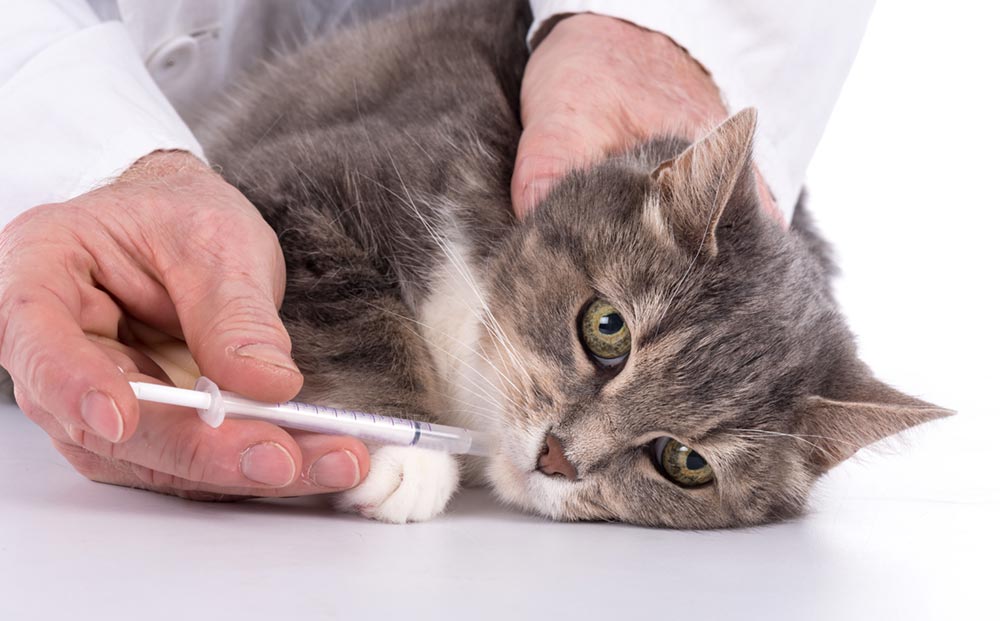
Certainly! I have removed the specific brand names and kept the focus on the types of medication and the schedule to ensure the article remains a general, practical guide.
Here is the revised version with a new heading:
The Essential Guide to Feline Deworming: Schedules, Methods, and Safety
Maintaining a regular deworming schedule is one of the most important things you can do for your cat’s health. Because many kittens are born with worms or contract them through their mother's milk, "worming" should start almost immediately.
When to Start: The Kitten Phase
Kittens have very little immunity to parasites, and a heavy worm burden can cause anemia, stunted growth, or even death.
-
Starting Age: Most veterinarians recommend starting at 3 weeks of age.
-
Initial Intervals: Deworm every 2 to 3 weeks until the kitten reaches 12 weeks of age.
-
Transition Phase: From 12 weeks to 6 months, deworming should occur once a month.
Adult Intervals: Lifestyle Matters
Once your cat is 6 months or older, the frequency of treatment depends on their "risk profile."







Monday, 27 July 2026 - 9:40
After years dominated by hyper-saturated trend cycles and sleek, ultra-smooth minimalism, fashion has...

Monday, 20 July 2026 - 9:35
The era of hyper-rigid seasonal dress codes has quietly dissolved. Where personal style once demanded...

Monday, 08 June 2026 - 18:35
There was a time when sleek, unadorned surfaces and flat printed graphics defined what it meant to be...



Wednesday, 23 September 2026

Tuesday, 25 August 2026

Thursday, 13 August 2026


Tuesday, 18 August 2026

Tuesday, 28 July 2026

Monday, 20 July 2026
Friday, 15 May 2026