
Latest News

Helping your dog recover from UTI infections
Monday, 05 October 2020 - 16:25 | Views - 1,069
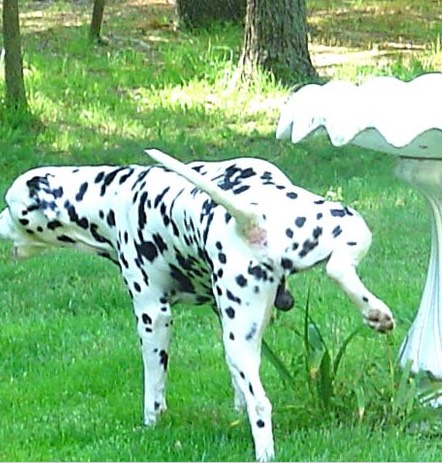
RECOVERY & MANAGEMENT OF UTIs IN DOGS
Recovery time depends on the severity of the infection. Most cases clear up pretty quickly without any complications once treatment begins, but in other situations it may take longer.
The following tips can assist in recovery:
Provide access to fresh, clean water and a diet that includes wet food (which contributes to overall water intake).
Administer medication on schedule and ensure your pup is getting the full dose as prescribed. Do not stop medication even if your dog is showing signs of improvement; it’s absolutely critical that you administer the entire course of medication exactly as directed.
Ensure your dog is taken outside regularly to urinate: “holding it in” for too long on a regular basis can contribute to, or worsen, UTIs.
Keep an eye on your dog’s behavior. If there is no improvement after 48 hours of starting treatment, contact your vet.
Preventing UTIs in Dogs
UTIs in dogs are highly preventable. In order to minimize your dog’s risk of contracting a urinary tract infection, take the following steps:
Provide fresh, clean water every day. Drinking clean water helps to flush away any bacteria that has accumulated in the urinary tract.
Routine grooming, especially around the urinary opening, and regular bathing can help prevent bacteria from entering the urinary system. Keep the area clean and free of debris, scratches, etc.
Provide plenty of opportunities for your dog to go outside for a pee break. It’s not good for dogs to hold urine in for very long periods of time.
Feed your dog a healthy, well-balanced diet.
Probiotic supplements can build up the growth of healthy bacteria in a dog’s body.
Vitamin C helps strengthen the immune system. (However, large doses of vitamin C can alter the pH of urine and predispose your dog to forming bladder stones, so consult with your veterinarian first.)
Regular vet check-ups can identify problems before they get serious.
WHAT CAN I FEED MY DOG WITH UTI PROBLEMS?
Supplementation with B vitamins and antioxidants in times of stress, as well as offering cooling foods such as raw fruits, vegetables, and yogurt to reduce the symptoms of urinary tract infection. Foods that are known to aggravate UTIs include asparagus, spinach, raw carrots, tomatoes, and dairy products.
Foods high in magnesium, phosphorus, protein and calcium have been linked to stone formation. Veterinarians believe feeding your dog a food with restricted amounts of these minerals can assist in the dissolution of some types of stones that have formed in his urinary tract.







Monday, 27 July 2026 - 9:40
After years dominated by hyper-saturated trend cycles and sleek, ultra-smooth minimalism, fashion has...

Monday, 20 July 2026 - 9:35
The era of hyper-rigid seasonal dress codes has quietly dissolved. Where personal style once demanded...
Monday, 08 June 2026 - 18:35
There was a time when sleek, unadorned surfaces and flat printed graphics defined what it meant to be...



Wednesday, 23 September 2026

Tuesday, 25 August 2026

Thursday, 13 August 2026


Tuesday, 18 August 2026

Tuesday, 28 July 2026

Monday, 20 July 2026

Friday, 15 May 2026