
Latest News

Thai protests: Large gatherings banned under emergency decree
Friday, 16 October 2020 - 19:57 | Views - 581
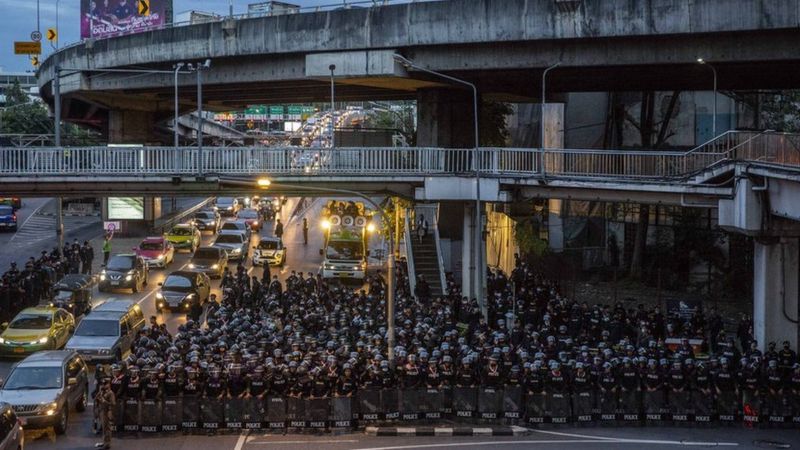
Thailand has issued an emergency decree banning protests as it clamps down on largely peaceful pro-democracy rallies that have also targeted the monarchy.
In a televised announcement the government said urgent measures were needed to "maintain peace and order".
It justified the orders partly on the grounds of some protesters disturbing a royal motorcade during a mass march in Bangkok on Wednesday.
More than 20 people have been arrested including three protest leaders.
Thailand's student-led democracy movement has been calling for the resignation of Prime Minister Prayuth Chan-ocha. The former army chief had seized power in a 2014 coup before he was appointed as premier after controversial elections last year.
The protests have widened in recent months to also call for curbs on the king's powers.
The emergency measures came into effect at 04:00 local time on Thursday (21:00 GMT on Wednesday).
What's the new decree?
The decree, announced on state television overnight, said protesters had intended to instigate an incident leading to "chaos and incitement of conflict and public disorder".
It cited the "obstruction to the royal motorcade" as one of the reasons for its imposition. Some protesters on Wednesday had raised the three-finger salute, a symbol of the movement, at a convoy carrying the queen as they were pushed back by ranks of police.
Shortly after the decree took effect, Thai riot police cleared protesters from outside the prime minister's office. Some tried to resist, using makeshift barricades, but they were moved back.
Hundreds of police were seen on the streets even after protesters were dispersed.
In addition to limiting gatherings to four people, the decree puts restrictions on the media, prohibiting the publication of news "that could create fear or intentionally distort information, creating misunderstanding that will affect national security or peace and order".
It also allows authorities to stop people from entering "any area they designate".
How has the crackdown escalated?
Police said they arrested about 20 people starting in the early hours of Thursday, but did not confirm their names.
The BBC has learned that those arrested include three protest leaders - the human rights lawyer Anon Nampa, student activist Parit Chiwarak, widely known by his nickname "Penguin", and Panusaya Sithijirawattanakul.
In a widely-watched livestream video police officers were seen reading out charges to Ms Panusaya in a hotel room. Another video showed police putting her into a car as she and her supporters chanted slogans.
Mr Anon, 36, was the first to openly break the taboo on discussing Thailand's monarchy by calling for reforms in August. Ms Panusaya became one of the most prominent faces of the protests after she delivered a 10-point manifesto urging royal reform later that month.
Ms Panusaya, 21, had not been arrested until now, although the other two men have been arrested before - since the movement gained momentum in July.






Monday, 27 July 2026 - 9:40
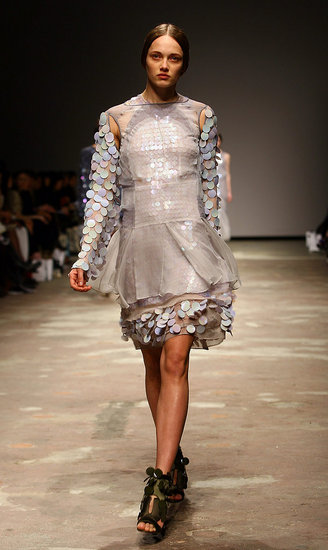
After years dominated by hyper-saturated trend cycles and sleek, ultra-smooth minimalism, fashion has...
Monday, 20 July 2026 - 9:35
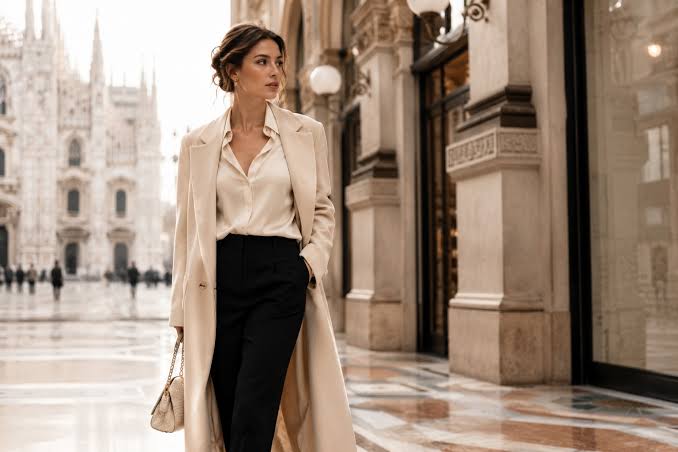
The era of hyper-rigid seasonal dress codes has quietly dissolved. Where personal style once demanded...
Monday, 08 June 2026 - 18:35
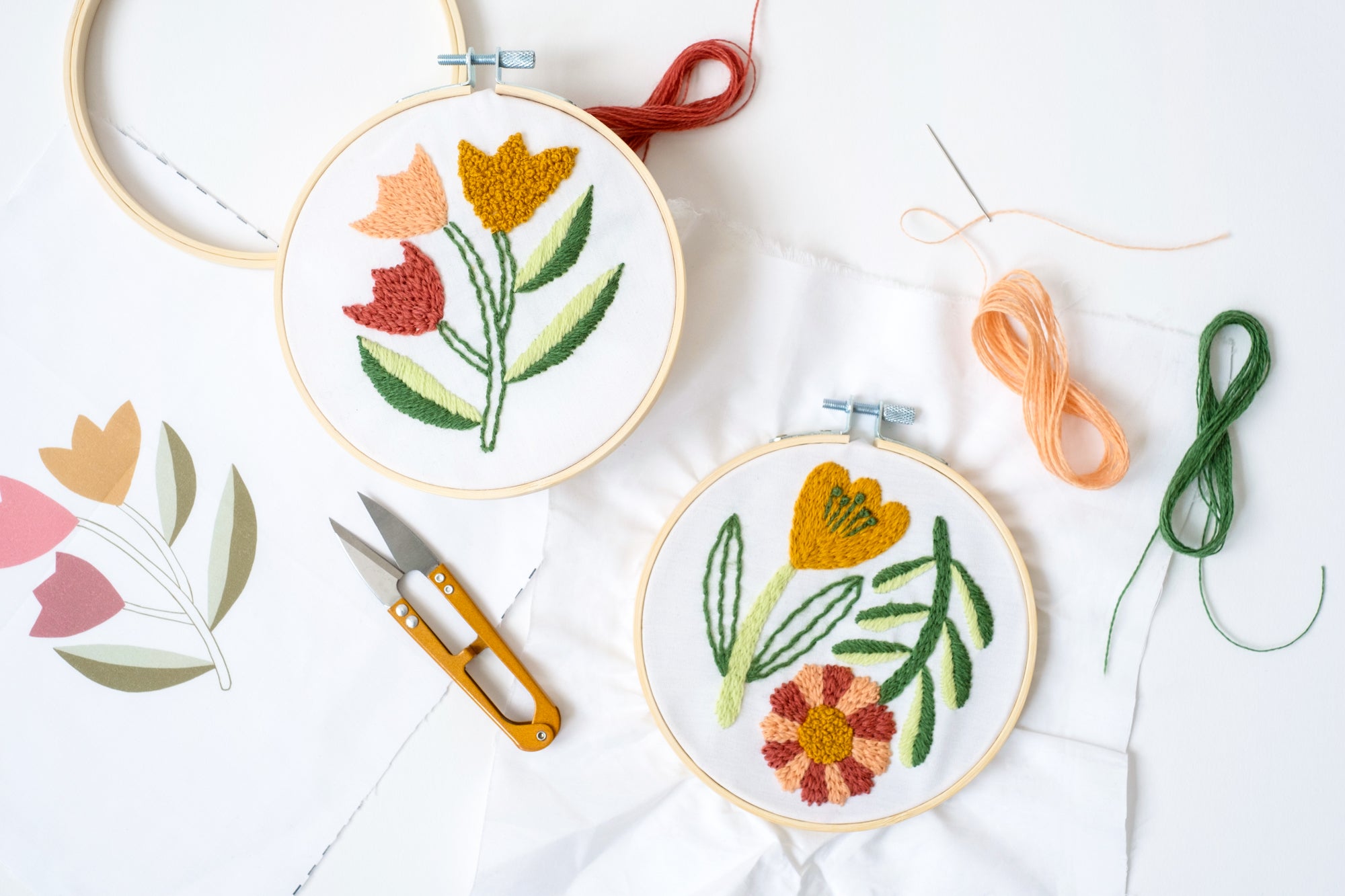
There was a time when sleek, unadorned surfaces and flat printed graphics defined what it meant to be...


Tuesday, 25 August 2026
Thursday, 13 August 2026
Wednesday, 05 August 2026

Tuesday, 18 August 2026
Tuesday, 28 July 2026

Monday, 20 July 2026
Friday, 15 May 2026