
Latest News

Prostate cancer: Scientists find 63 'new genetic markers'
Tuesday, 19 June 2018 - 10:17 | Views - 696
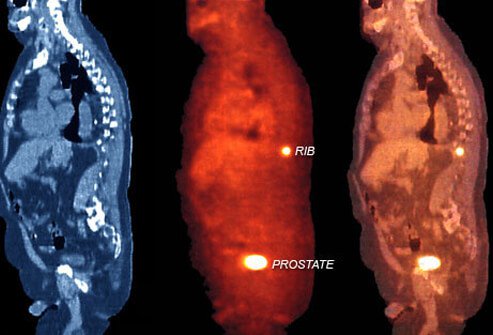
A 6-year research project identifies 63 gene changes that could help to indicate an increased risk of prostate cancer in certain men.
The study was conducted at Case Western Reserve University School of Medicine in Cleveland, OH, and the results are now published Nature Genetics.
Cancer epidemiology researcher Frederick R. Schumacher, Ph.D., led an international team comprising over 100 researchers.
These genetic markers might make it easier to determine the necessity, as well as the rate, of regular prostate cancer screenings.
Genetic markers — also known as single nucleotide polymorphisms (SNPs) — are detected at the DNA level. These are not only linked with prostate cancer, but they can also serve as a signal to doctors that someone could have a greater risk of developing any number of specific diseases.
Before this study, around 100 SNPs had been identified that could be linked with a raised prostate cancer risk. These recent findings increase the known prostate cancer genetic markers by more than 50 percent.
Schumacher and colleagues examined the DNA sequences of around 140,000 men of European descent, including data from previous studies. Around 80,000 of these men had prostate cancer, while the other 60,000 had no evidence of the disease.
With these data, they were able to identify 63 new genetic markers in those with prostate cancer — markers that did not appear in the DNA of men without the disease.
"Our findings will allow us to identify which men should have early and regular PSA screenings and these findings may eventually inform treatment decisions," says Schumacher.
He also notes that this "genetic score" might be an important factor that doctors consider when approaching prostate cancer treatment, as well.
The researchers say that there are between 500 and 1,000 genetic markers that could be linked with prostate cancer. Schumacher notes that they do not need to map them all, though.
He estimates that they only need to know around 10–20 percent to make recommendations for screening guidelines.
Prostate cancer and screening
Prostate cancer is "the most common cancer" among men, say the National Cancer Institute (NCI), and it is also "the second leading cause of cancer death" in men in the United States.
The American Cancer Society (ACS) report that prostate cancer risk goes up with age, as around 6 out of every 10 cases "are found in men older than 65." It is also more common in people with a family history of the disease, especially if a brother or father has experienced it.







Monday, 27 July 2026 - 9:40
After years dominated by hyper-saturated trend cycles and sleek, ultra-smooth minimalism, fashion has...

Monday, 20 July 2026 - 9:35
The era of hyper-rigid seasonal dress codes has quietly dissolved. Where personal style once demanded...

Monday, 08 June 2026 - 18:35
There was a time when sleek, unadorned surfaces and flat printed graphics defined what it meant to be...



Tuesday, 25 August 2026

Thursday, 13 August 2026

Wednesday, 05 August 2026


Tuesday, 18 August 2026

Tuesday, 28 July 2026

Monday, 20 July 2026

Friday, 15 May 2026