
Latest News

What we wear has always revealed our values and aspirations, particularly in times of turbulence and upheaval. And now, writes Bel Jacobs, it’s a time for change.
Tuesday, 03 November 2020 - 14:01 | Views - 761
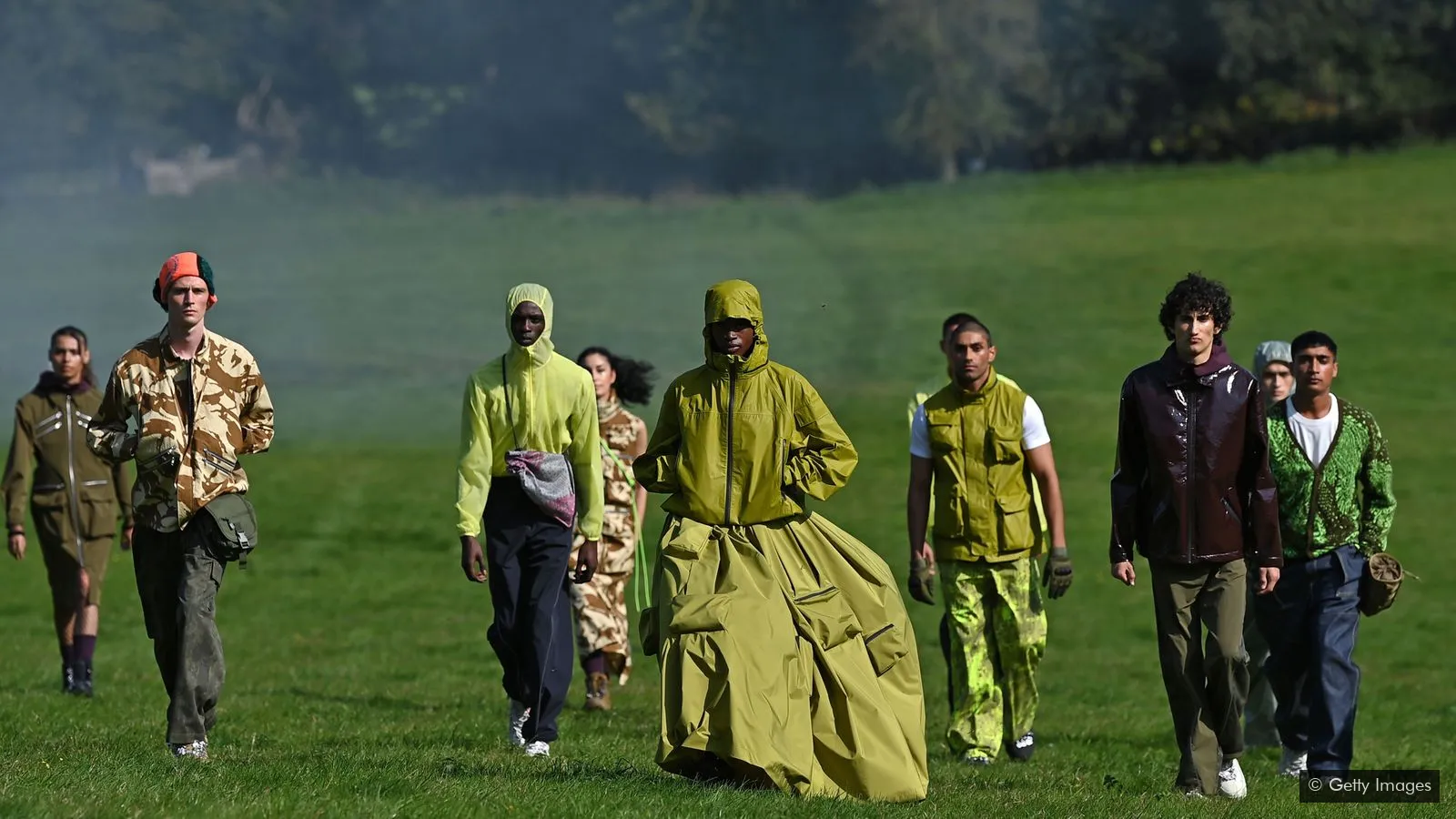
2020 has unarguably been one of the most challenging years in living memory, with countless experts and commentators dedicating themselves to analysing our current upheaval. And yet, there are still few better places to examine cultural change than fashion. “Fashion is a potent visual marker of our times,” says Caroline Stevenson, head of cultural and historical studies at London College of Fashion. “Trend analysis of any given era will reveal society’s values and aspirations.”
It will be interesting to see what trend analysis will make of this time. The world has been in trouble before; both World Wars, for example, led to a flurry of measures designed to make clothing as practical – and as thrifty – as possible. In efforts to conserve precious materials for the war effort, single-breasted suits replaced double-breasted; trouser turn-ups were abolished – much to the annoyance of their male wearers. After World War One, zip fasteners and elastic were frowned upon, except in women’s knickers. Similar trends of thought ran through the Great Depression of the 1930s, when Americans turned their backs on flippy flapper dresses towards more reserved silhouettes. Utility clothing, as it was called, was streamlined and efficient – and sometimes gently embellished. One of the Imperial War Museum’s civilian siren suits boasts puffed shoulders, bell-bottom cuffs, piping decoration and a natty hood. The urge to creative expression runs deep.
“People seem willing to invest in higher quality items at a higher price point,” says Berry. “Unconscious consumption is falling out of fashion. It’s incredibly important that this thought trickles down through all levels of the market.” And, if spending more on a single item when incomes are low seems counter-intuitive, think again: “Less disposable income means less money to throw away on clothing each season. Priority will go to clothes that will be fashionable longer than a couple of months,” fashion historian Allison Pfingst told Instyle Magazine, earlier this year. Fashion trends, the most potent driver of speed in the industry, look set to come under some serious scrutiny.
“Fashion still plays a key role in society, both functionally and culturally,” “At an individual level, the ability to express yourself – or at a collective level the ability to enable connection and belonging – is enabled by fashion. This won’t go away, but the industry does need to live up to its responsibilities, and be part of creating a more positive future.” Buller’s hopes are high. “Fashion in 2030?” she says. “Everyday garments will become more utilitarian, making space for creative digital collections that allow people to continuously reinvent their looks in ways that are less wasteful and harmful to the environment. And retail models will be reinvented with a greater focus on made-to-garment and circular design.” It’s all to play for.






Monday, 27 July 2026 - 9:40
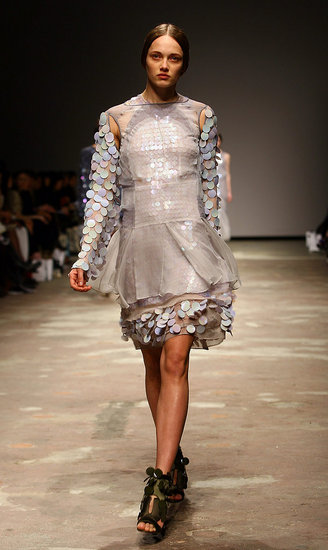
After years dominated by hyper-saturated trend cycles and sleek, ultra-smooth minimalism, fashion has...
Monday, 20 July 2026 - 9:35
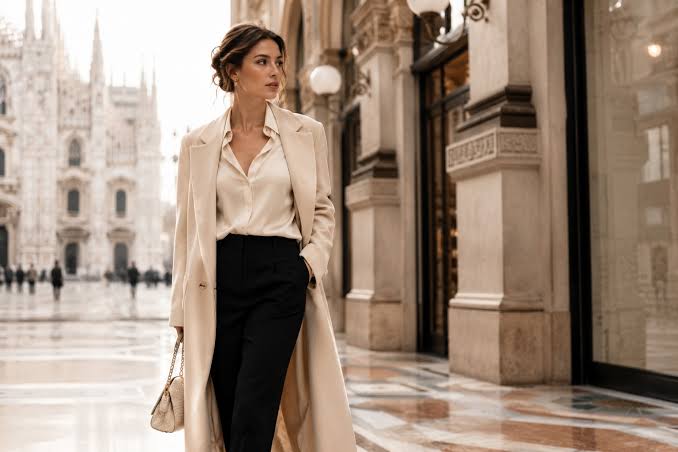
The era of hyper-rigid seasonal dress codes has quietly dissolved. Where personal style once demanded...
Monday, 08 June 2026 - 18:35
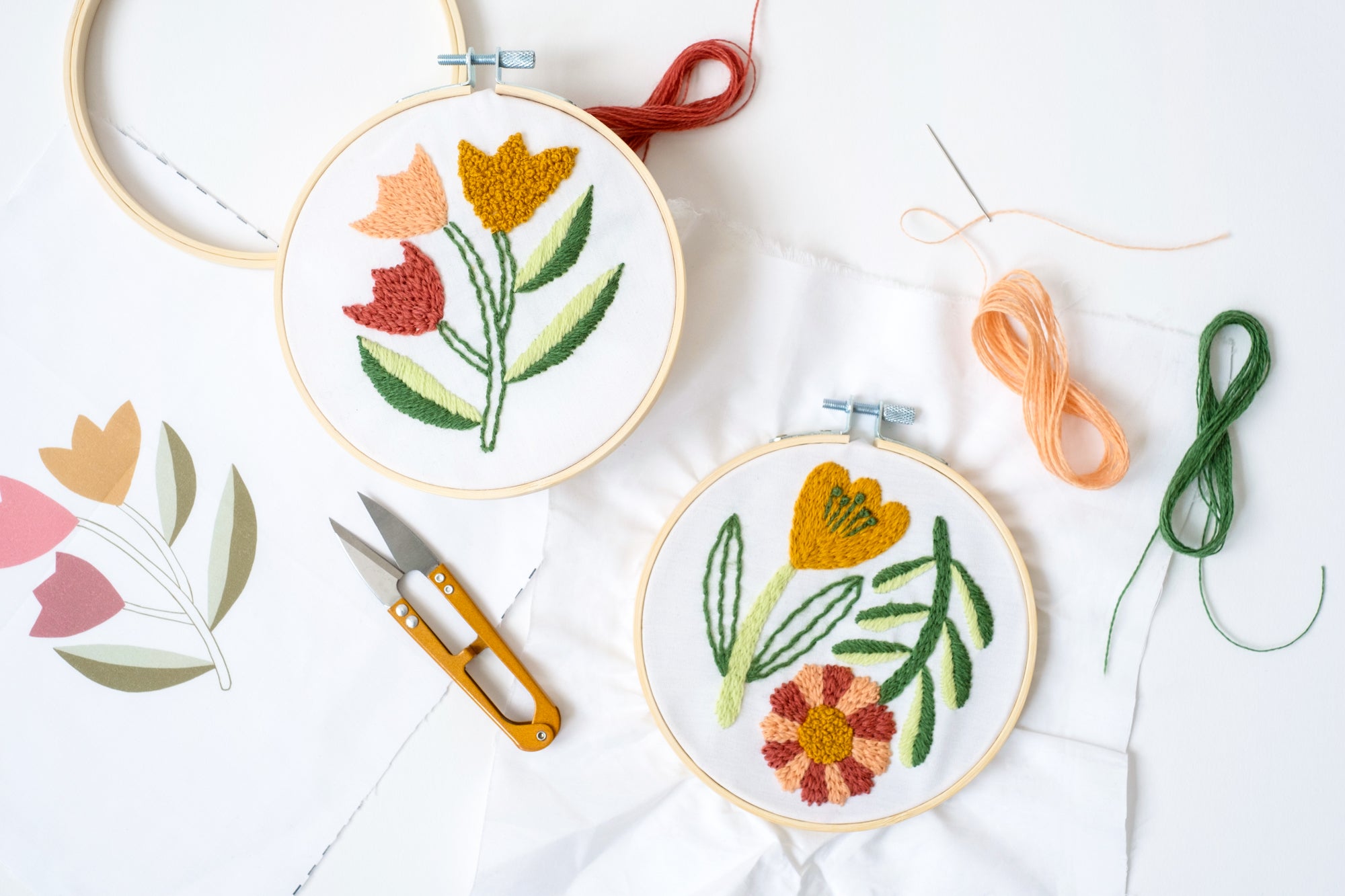
There was a time when sleek, unadorned surfaces and flat printed graphics defined what it meant to be...



Wednesday, 23 September 2026
Tuesday, 25 August 2026
Thursday, 13 August 2026


Tuesday, 18 August 2026

Tuesday, 28 July 2026

Monday, 20 July 2026

Friday, 15 May 2026