
Latest News

'I started a fashion business from two suitcases'
Friday, 30 October 2020 - 23:38 | Views - 668

In 2010, Joselyne Umutoniwase took a bold decision. She had been working as a film editor for five years but decided to follow her dream of becoming a fashion designer.
She made her first fashion collection and when she travelled from her home in Rwanda to Germany for a film scholarship, she took two suitcases stuffed with tops, skirts and dresses.
"The young Germans were fascinated about the style and the colourful African wax prints," she says.
She sold the whole collection in three months.
"I didn't know that I could earn serious money with selling my own creations," she says from her business in Kigali.
Her German experience gave her enough confidence and a bit of financial help to make a career change.
She stopped working as a film editor, bought three sewing machines, hired two tailors and founded her own fashion brand, Rwanda Clothing.
Now, eight years later, she runs a workshop with 37 full-time tailors, selling off-the-peg items from $50-$120 (£40-£95).
Clothes captivated Joselyne, as she grew up in a middle-class family in Rwanda's capital.
She bought cheap second-hand items nobody wanted, she says. "I separated all the parts to find out where the seams were and how these clothes were made."
But with many items coming into Rwanda from China and India, she didn't see it as a career, and instead studied film and, to keep her parents happy, IT.
Both her father and her uncle own several businesses. This inspired her to start a small hair-braiding outfit during high school.
But their experiences also showed her how things could go wrong. "I became very frustrated as a child, when my father had to close his butchery business because his business partner ran away with all the money."
Early on, she wanted to leave Rwanda entirely.
"It was too painful to know that such a thing could happen in my country. And I was afraid that it would happen again. You don't feel safe for a while and you don't trust anybody.
"But at some point, you decide to have peace with it. Whatever you do, you cannot really change this situation.
"I also saw new roads being constructed, new houses being built. I saw the country being repaired. And the positive thing is, after such a tragedy, people really want to live."






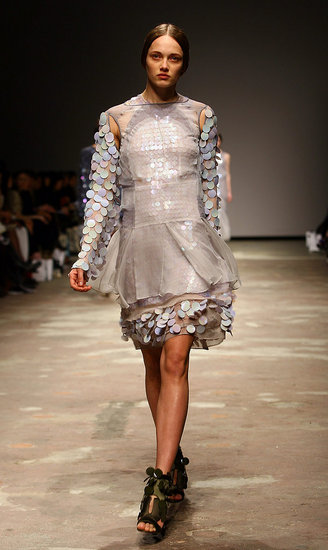
Monday, 27 July 2026 - 9:40
After years dominated by hyper-saturated trend cycles and sleek, ultra-smooth minimalism, fashion has...
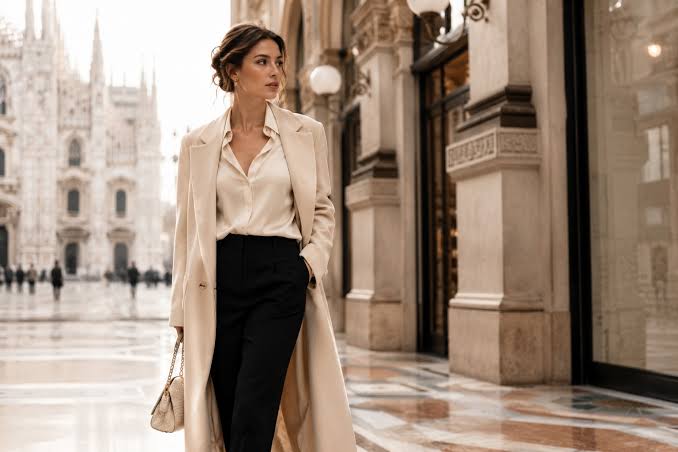
Monday, 20 July 2026 - 9:35
The era of hyper-rigid seasonal dress codes has quietly dissolved. Where personal style once demanded...
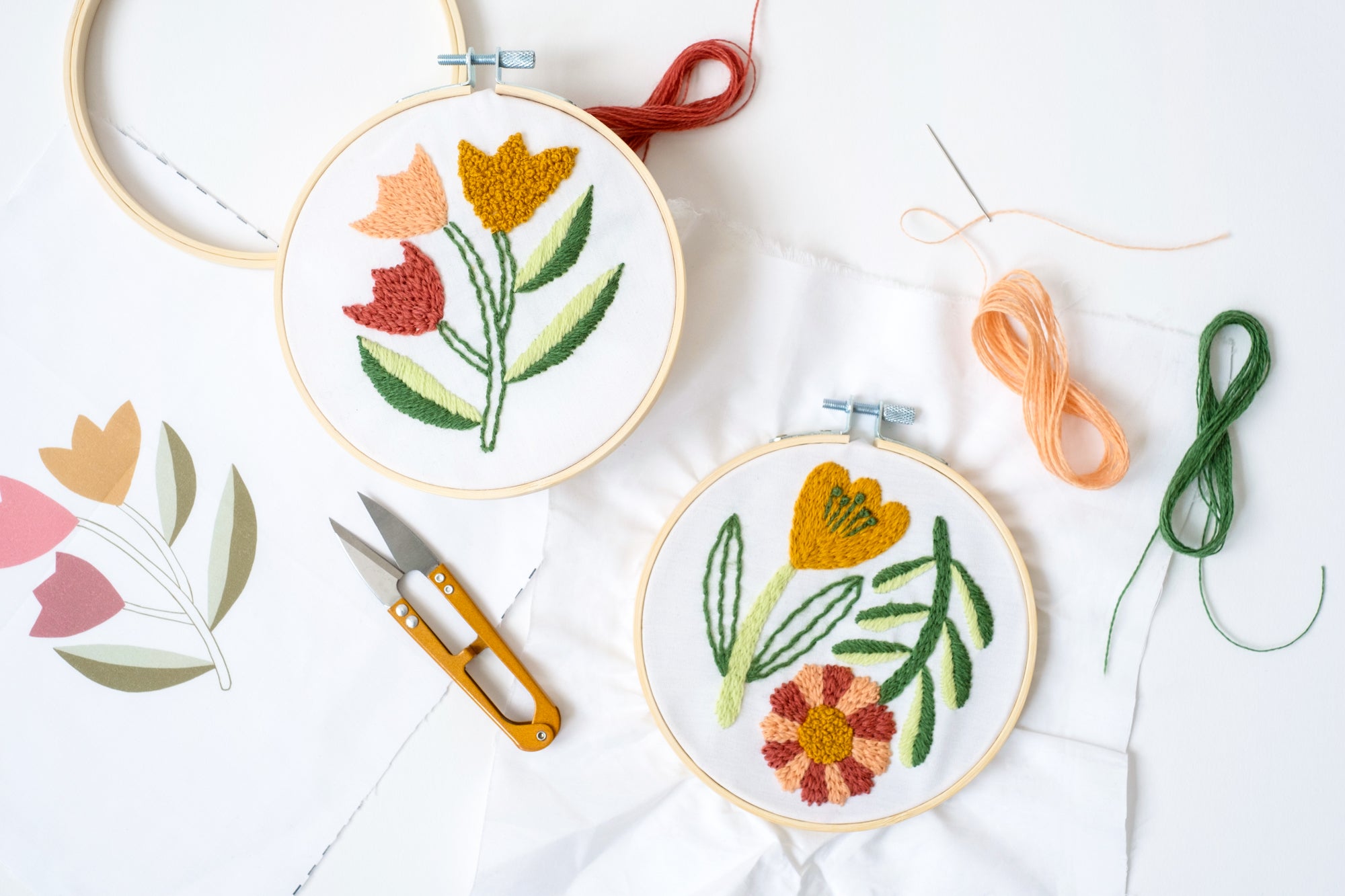
Monday, 08 June 2026 - 18:35
There was a time when sleek, unadorned surfaces and flat printed graphics defined what it meant to be...



Wednesday, 23 September 2026

Tuesday, 25 August 2026
Thursday, 13 August 2026

Tuesday, 18 August 2026
Tuesday, 28 July 2026
Monday, 20 July 2026
Friday, 15 May 2026