
Latest News

How knitting became cool
Wednesday, 22 July 2020 - 16:36 | Views - 943
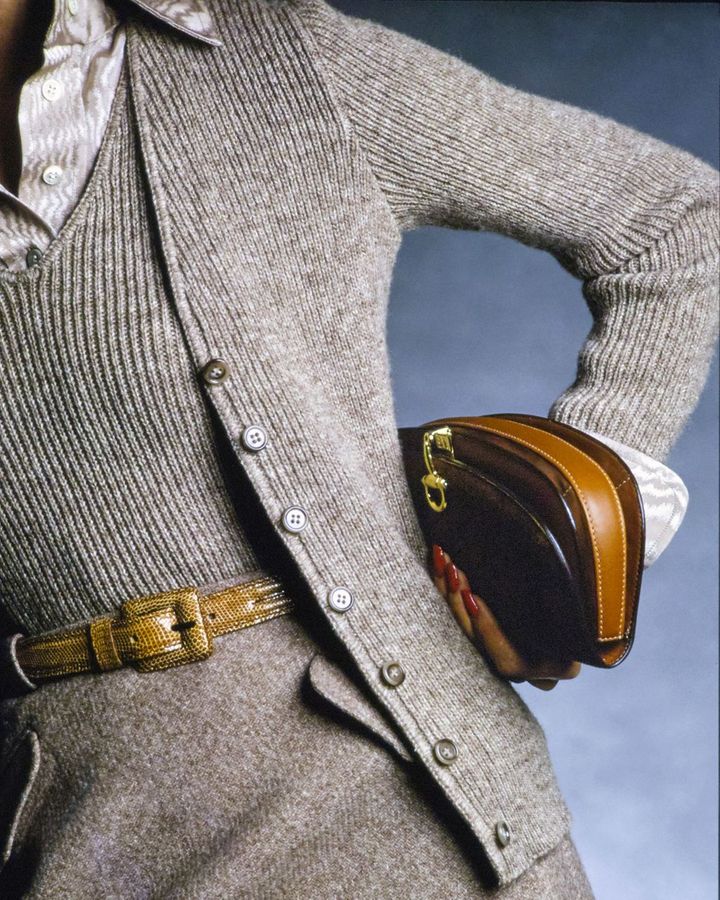
Of all of the so-called ‘domestic crafts’, knitting remains the most laden with stereotypes in the public imagination. While baking and gardening have mostly rid themselves of associations with ‘women’s work’, knitting still, for the average person, conjures images of an elderly white woman, sitting in a rocking chair or in a circle of her peers. In fact, this assumed demographic only describes a fraction of the world’s knitting community, which has blossomed in the 21st Century. As a creative outlet with therapeutic benefits, it has proven to be a trending activity in life under lockdown for people of various ages and backgrounds. And recently, knitting has also come into fashion proper, thanks to a new generation of designers, who are transforming the ‘old-fashioned’ practice into a high-fashion art form.
Designers, artists and hobbyists have taken this to an extreme since the turn of the century. Knit-centric, fashion-forward designers like Yan Yan and Hazar Jawabra gaining traction around the world and actively reversing preconceived attitudes. “Because it still has these stereotypes of the domestic, mundane and tedious attached to it, when those are subverted, the effect is very powerful. The art of extreme knitting has really hit people in the face,” says Sandy Black, professor at the London College of Fashion who also curated a show for the Fashion and Textile Museum called Visionary Knitwear. According to Black, knitting is often still perceived as an amateur and uncomplicated craft, and the difficulty of the skill is chronically underestimated by people both and in and out of the fashion industry.
So will this trend endure? As a sustainable practice that builds community, healing and even activism, all signs point to knitting only growing in popularity in the coming years, particularly as efforts to avoid the fast fashion industry increase among consumers. Creators merging age-old methods with innovative attitudes are helping reshape widespread attitudes about who knitting is for – and what it signifies. With experimental knits on the rise, perhaps one day the knitter stereotype will be that of a subversive and imaginative young creator, who has reclaimed a practice from ageist and sexist tropes.






Monday, 27 July 2026 - 9:40
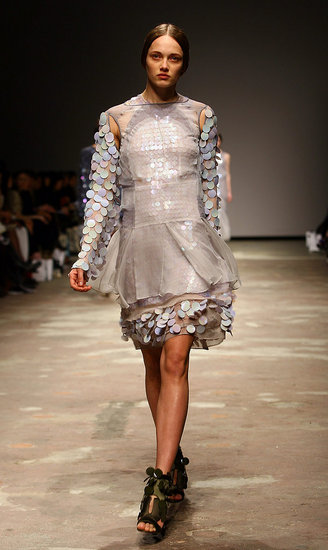
After years dominated by hyper-saturated trend cycles and sleek, ultra-smooth minimalism, fashion has...
Monday, 20 July 2026 - 9:35
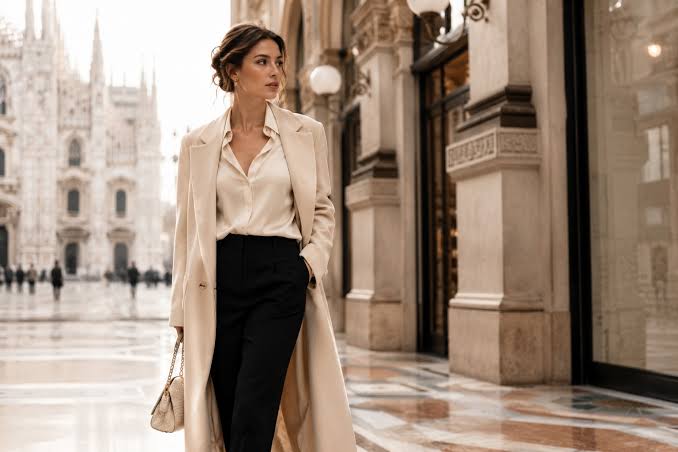
The era of hyper-rigid seasonal dress codes has quietly dissolved. Where personal style once demanded...
Monday, 08 June 2026 - 18:35
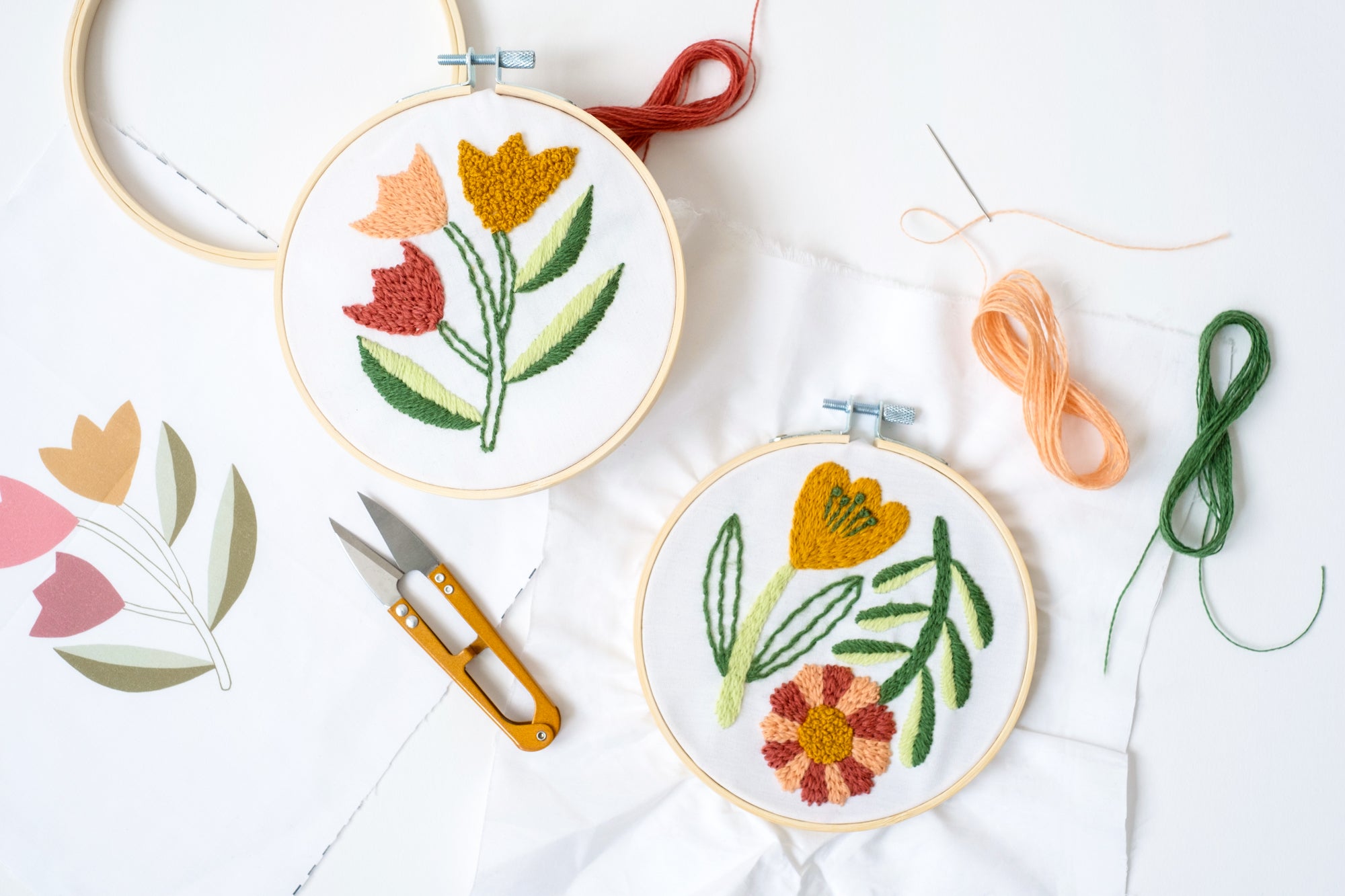
There was a time when sleek, unadorned surfaces and flat printed graphics defined what it meant to be...



Wednesday, 23 September 2026

Tuesday, 25 August 2026
Thursday, 13 August 2026


Tuesday, 18 August 2026

Tuesday, 28 July 2026

Monday, 20 July 2026

Friday, 15 May 2026