
Latest News

Wrapped up in a Shawl
Tuesday, 24 September 2019 - 12:49 | Views - 929
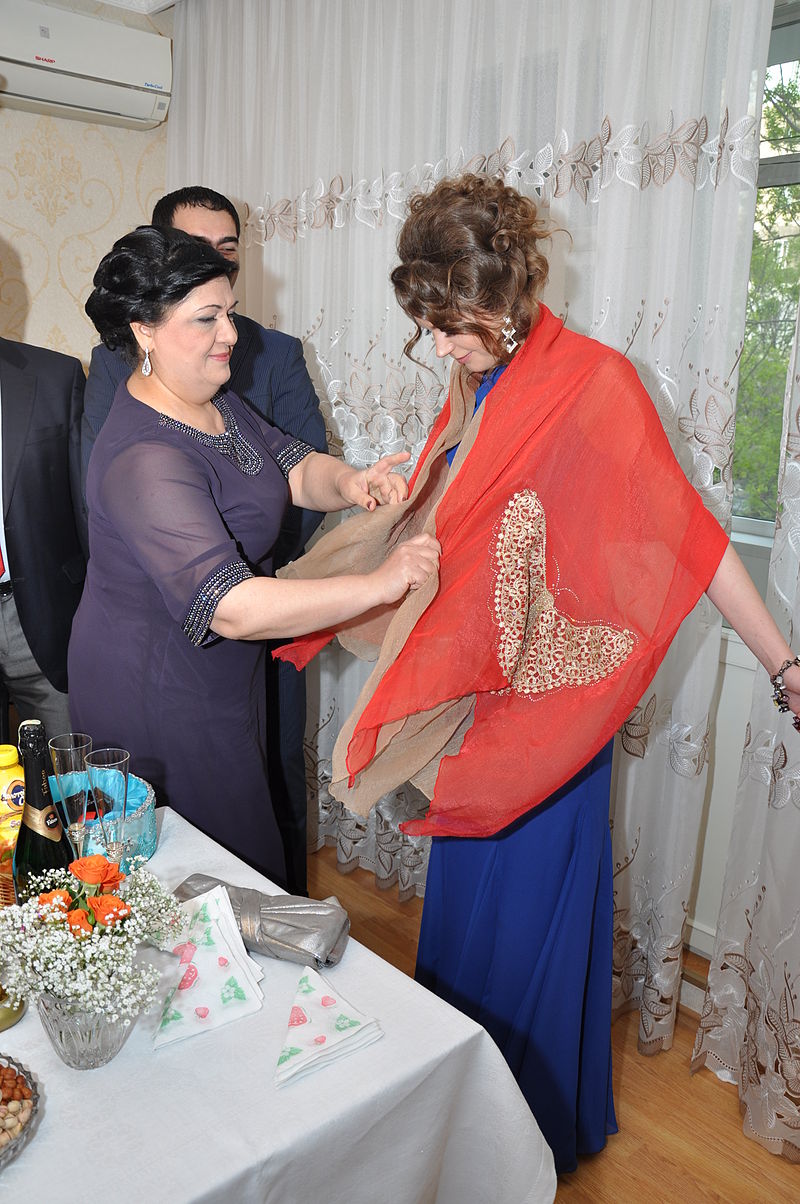
A shawl (from Persian: lang-Urdu ??? sh?l,[1] which may be from Hindi: ?????? du??l?, ultimately from Sanskrit: ???? ????[2]) is a simple item of clothing, loosely worn over the shoulders, upper body and arms, and sometimes also over the head. It is usually a rectangular or square piece of cloth, which is often folded to make a triangle, but can also be triangular in shape. Other shapes include oblong shawls
The words "shawl" and "pashmina" come from Kashmir, but originate from Hamedan, Iran. Sources report cashmere crafts were introduced by Sayeed Ali Hamadani, when the 14th century came to Ladakh, homeland of pashmina goats, where, for the first time in history, he found that the Ladakhi kashmiri goats produced soft wool. He took some of this goat wool and made socks which he gave as a gift to king of Kashmir, Sultan Qutabdin. Afterwards, Hamadani suggested to the king that they start a shawl weaving industry in Kashmir using this wool. That is how pashmina shawls began.[4] The United Nations agency UNESCO reported in 2014 that Ali Hamadani was one of the principal historical figures who shaped the culture of Kashmir, both architecturally and through the flourishing of arts and crafts, and hence economy, in Kashmir. The skills and knowledge that he brought to Kashmir gave rise to an entire industry.[5]
Kashmir was a pivotal point through which the wealth, knowledge, and products of ancient India passed to the world. Perhaps the most widely known woven textiles are the famed Kashmir shawls. The Kanikar, for instance, has intricately woven designs that are formalized imitations of Nature. The Chenar leaf (plane tree leaf), apple and cherry blossoms, the rose and tulip, the almond and pear, the nightingale—these are done in deep mellow tones of maroon, dark red, gold yellow and browns. Yet another type of Kashmir shawl is the Jamiavr, which is a brocaded woolen fabric sometimes in pure wool and sometimes with a little cotton added.[6]






Monday, 27 July 2026 - 9:40
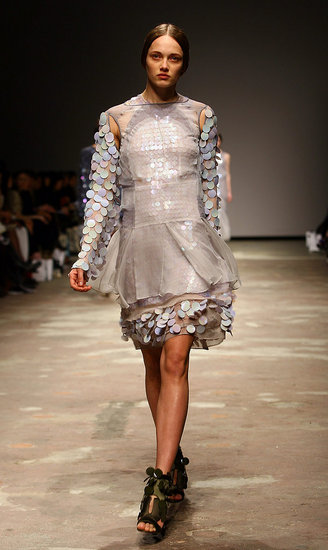
After years dominated by hyper-saturated trend cycles and sleek, ultra-smooth minimalism, fashion has...
Monday, 20 July 2026 - 9:35
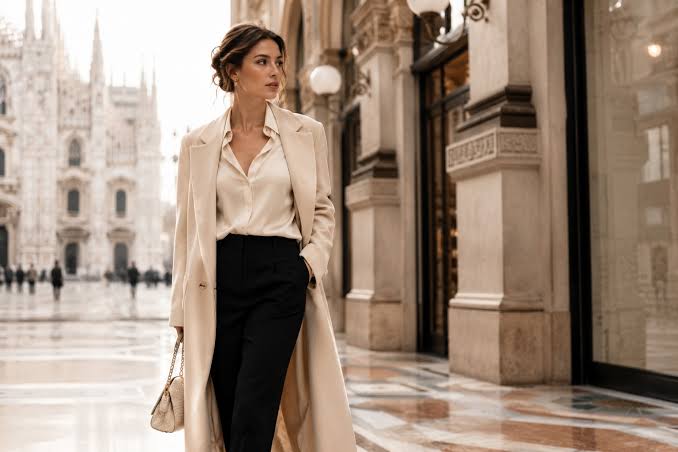
The era of hyper-rigid seasonal dress codes has quietly dissolved. Where personal style once demanded...
Monday, 08 June 2026 - 18:35
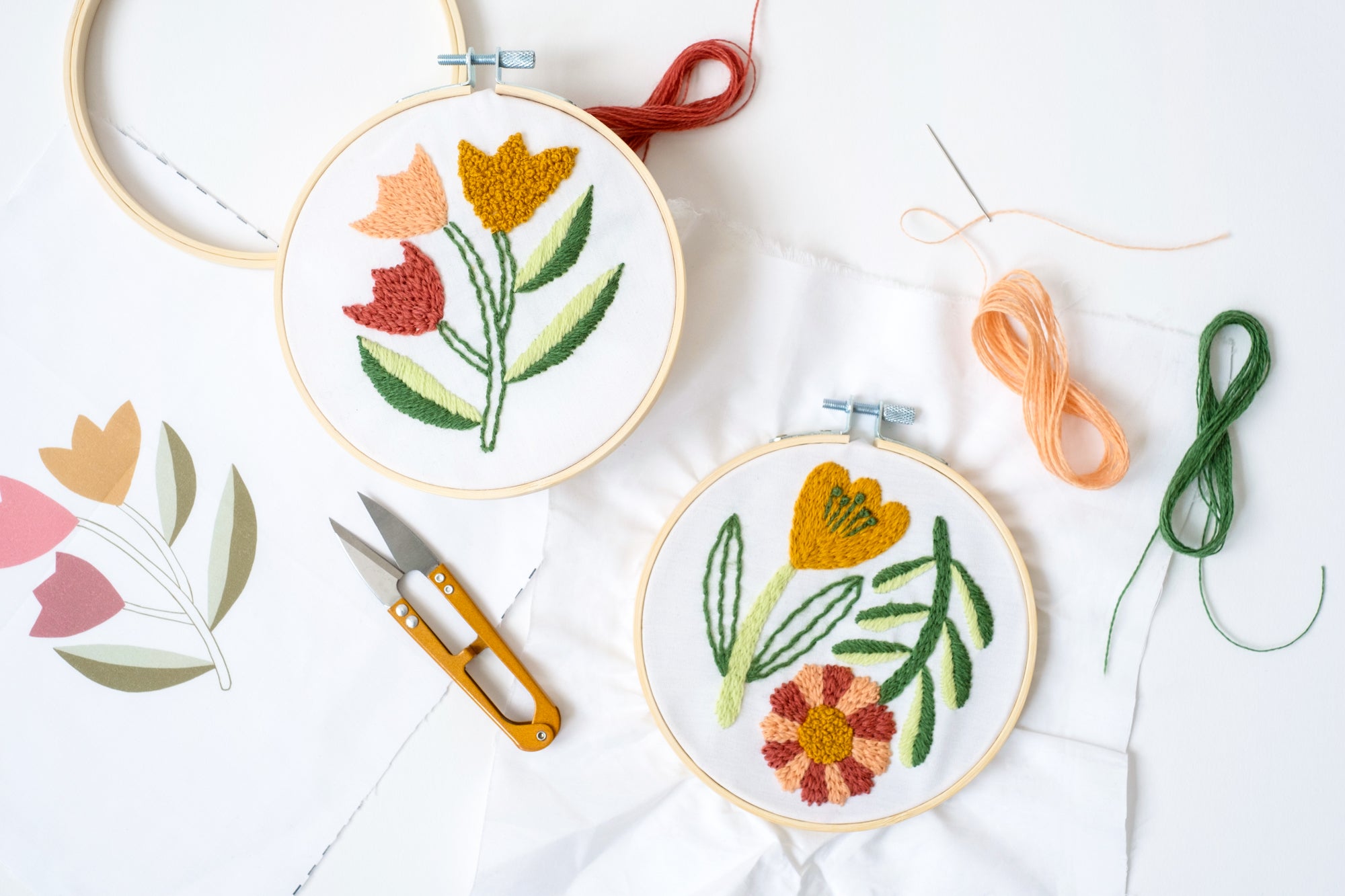
There was a time when sleek, unadorned surfaces and flat printed graphics defined what it meant to be...



Tuesday, 25 August 2026

Thursday, 13 August 2026

Wednesday, 05 August 2026


Tuesday, 18 August 2026
Tuesday, 28 July 2026
Monday, 20 July 2026
Friday, 15 May 2026