
Latest News

BRASSY HAIR: WHY IT HAPPENS AND HOW TO PREVENT IT
Thursday, 27 June 2019 - 14:23 | Views - 1,611

Weeks after coloring your hair blonde, you start to notice something strange: the shade you left the salon with is no more, and now your hair has taken on an undesired yellow, orange or red tone. What gives? Brassy hair, that’s what.
Brassiness refers to the unwanted warm tones that show up in colored hair. It typically happens in dark hair that gets dyed platinum or blonde, but it can also occur in hair that’s been highlighted or in hair that’s been lightened to brown.
To understand why this occurs, you’ll need to understand what’s happening during the whole hair lightening process. To lift dark hair, bleaching with a mix of ammonia and peroxide is usually a necessary part of the equation. When hair is bleached, melanin, a dark brown to black pigment, gets diluted in a process known as oxidation.
After bleaching, the next step is usually to apply your haircolor, which deposits artificial pigment onto your locks while removing some of your natural color.
Brassy haircolor becomes a problem when bleaching or lifting doesn’t get rid of all the underlying pigment in your hair, giving the warm tones an opportunity to reveal themselves. For lightened blonde hair, the underlying pigment is yellow, and for lightened brown to black hair, the underlying pigments are orange to red. When the brassiness starts creeping up, think of it as your natural hair telling you, “Hey, remember us?”






Monday, 27 July 2026 - 9:40
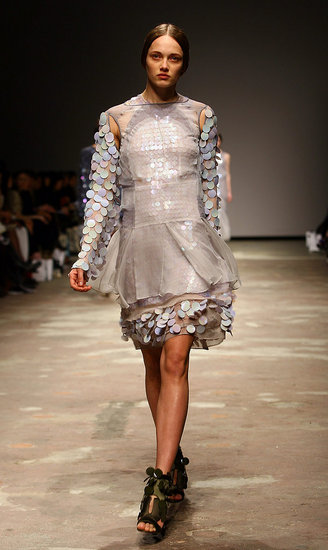
After years dominated by hyper-saturated trend cycles and sleek, ultra-smooth minimalism, fashion has...

Monday, 20 July 2026 - 9:35
The era of hyper-rigid seasonal dress codes has quietly dissolved. Where personal style once demanded...
Monday, 08 June 2026 - 18:35
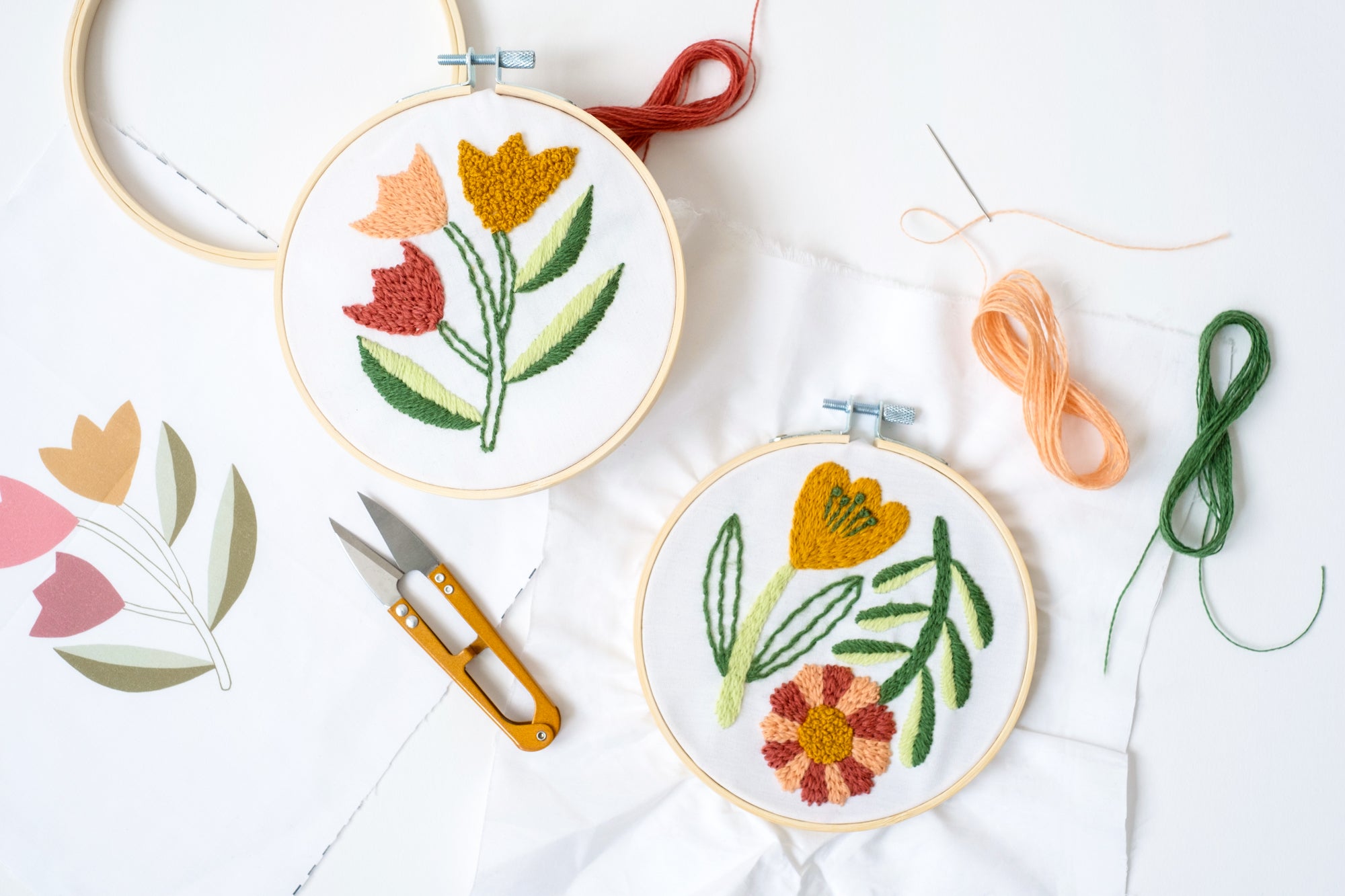
There was a time when sleek, unadorned surfaces and flat printed graphics defined what it meant to be...



Tuesday, 25 August 2026

Thursday, 13 August 2026

Wednesday, 05 August 2026


Tuesday, 18 August 2026

Tuesday, 28 July 2026

Monday, 20 July 2026
Friday, 15 May 2026