
Latest News

When did glasses become cool?
Thursday, 21 February 2019 - 14:59 | Views - 1,033

It's a Thursday evening in Topshop's Oxford Circus branch, and next to the frozen yogurt stall a harem of teenagers is trying on glasses. Lured to the racks by the promise of a weekend heatwave, the girls switch from pair to pair - cat's eyes, jam jars, and computer nerd squares are all getting a look-in.
At first glance, there's nothing amiss - teenagers are as wedded to their sunglasses as they are to their iPhones, and ToyShades, the latest concession to take a space on Topshop's ground floor, sells glasses for a very reasonable £20 per pair. But a second look is more surprising: the lenses are clear.
"By making the price accessible, we've made clear glasses a fashion accessory," says James Minor, the 34?year-old founder of ToyShades. "You wouldn't walk into an optician and think, 'Today I'm going to try a pair of clear lens glasses even though I have perfect vision.' But in Topshop it's a no-brainer: you put them on, you look good, and they're £20." The BYOP (bring-your-own-prescription) service costs £40, and they can have frames ready in just one hour.
Minor isn't reinventing the wheel - glasses are medical devices that have been in use since at least the Egyptian times. In the third century BC, the philosopher Seneca reportedly read books using a glass globe filled with water to magnify the letters. But spectacles today are less an indication of poor eyesight, more an accessory to personal style.
When did glasses become cool? Fashion, perhaps an unlikely supporter of the optically challenged, has helped: spectacles starred on the autumn/winter 2015 catwalks at Gucci and Max Mara, while Prada and Chanel's eyewear campaigns, starring Gemma Ward and Kristen Stewart respectively, have been well publicised.






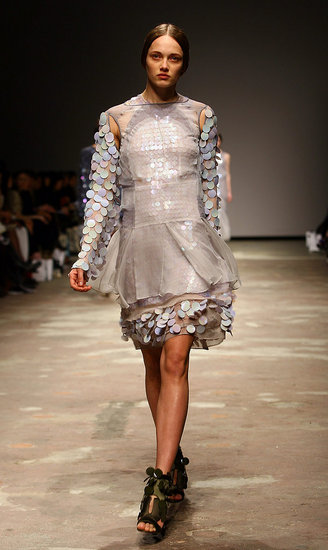
Monday, 27 July 2026 - 9:40
After years dominated by hyper-saturated trend cycles and sleek, ultra-smooth minimalism, fashion has...
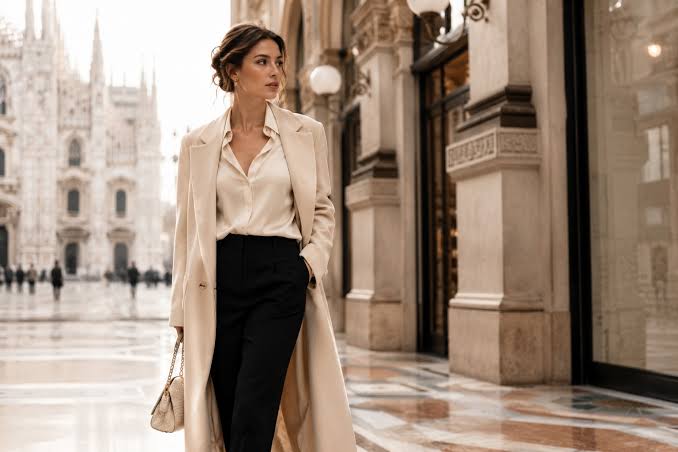
Monday, 20 July 2026 - 9:35
The era of hyper-rigid seasonal dress codes has quietly dissolved. Where personal style once demanded...
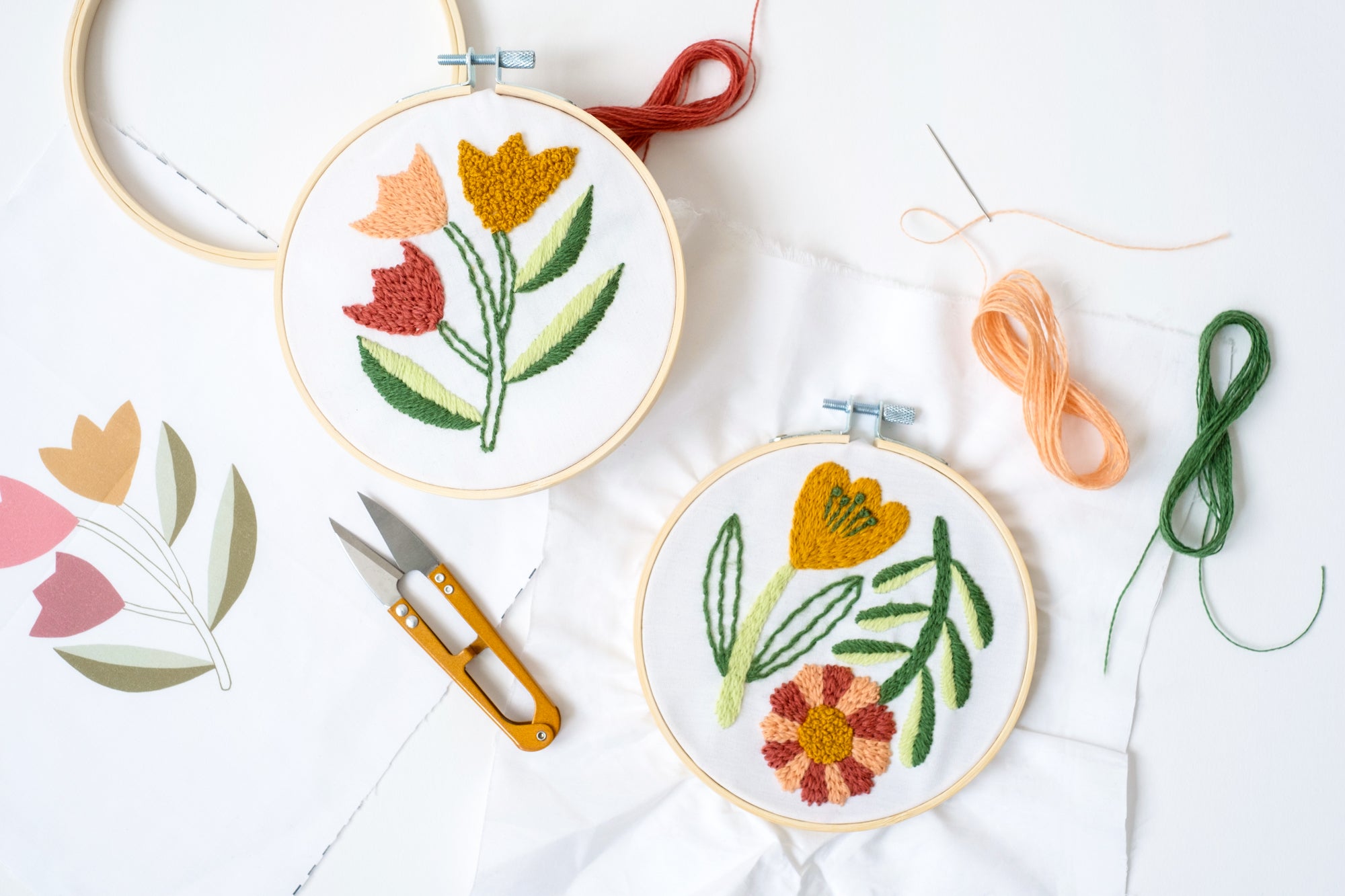
Monday, 08 June 2026 - 18:35
There was a time when sleek, unadorned surfaces and flat printed graphics defined what it meant to be...



Tuesday, 25 August 2026
Thursday, 13 August 2026
Wednesday, 05 August 2026


Tuesday, 18 August 2026
Tuesday, 28 July 2026

Monday, 20 July 2026
Friday, 15 May 2026