
Latest News

Harem Pants: A Most Interesting And Scandalous History
Monday, 23 April 2018 - 9:00 | Views - 1,530

Harem pants have got to be one of the most interesting and comfortable garments ever invented, and honestly I don’t know why they are not more popular in Western fashion. Most commonly known as “harem pants” in the West, they can also go by the names “genie pants”, “elephant pants”, “Aladdin pants”, “parachute pants”, “Sarouel pants”, “Thai pants”, “pantaloons”, and “bloomers” (And I am sure the list goes on. . . ) The true name for these pants, which are “extremely full, puffed Turkish-style pants, very full at the waist and gathered at the ankle”*, is “Salvar” or “Shalwar”. These are simply the Turkish and Persian words for “pants”. (Other languages also use the word “shalwar” for this style of garment, with variations on spelling.)
Harem pants are one of those distinctly “exotic” garments we encounter very little in the Western world. Even the name “Harem Pants” conjures up images of foreign, glamorous and outrageous fashions. Yet in much of the world- the Middle East, African, and Asian cultures- these pants are still worn daily by both men and women as a practical and comfortable everyday garment. When my brother was traveling in Nepal, he saw many people wearing this style of pant, and even purchased a pair like the ones I have, only in red. This style of pant is alive and well, yet despite the fact that this fashion has been around for ages, much like the Turban, which I shared about in my post here, it has only been sporadically and minimally popular in the West.
Originating in ancient Persia about 2,000 years ago (as we don’t have any records to substantiate the fashion before then) these trousers were everyday clothes for both men and women. They are thought to have developed from the man’s dhoti, which was a skirt/tunic tied and wrapped into a trouser shape, eventually evolving into a true trouser like garment. There is very little evidence of what women wore in ancient Persian/Middle Eastern cultures, as there are no records depicting women in artwork of the time. While we do have some record of what men were wearing, one of the earliest records of women’s fashions is from 5th century BC, in which a Queen is depicted wearing trousers and a long tunic. Interestingly enough, women are also shown wearing more fitted and “modern” styled trousers underneath long tunics at home. However, whenever women left their homes, they did not wear the more revealing trousers, instead wearing baggy ankle length trousers, long tunics and shawls over their upper body and head. The combination of these trousers, and the large mantle effectively concealed the body, and maintained modesty. Up until the last century, this remained the standard outfit of Middle Eastern women.






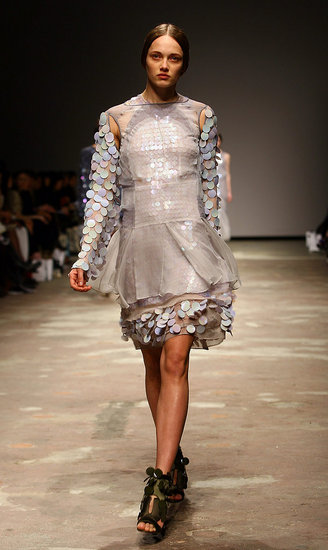
Monday, 27 July 2026 - 9:40
After years dominated by hyper-saturated trend cycles and sleek, ultra-smooth minimalism, fashion has...
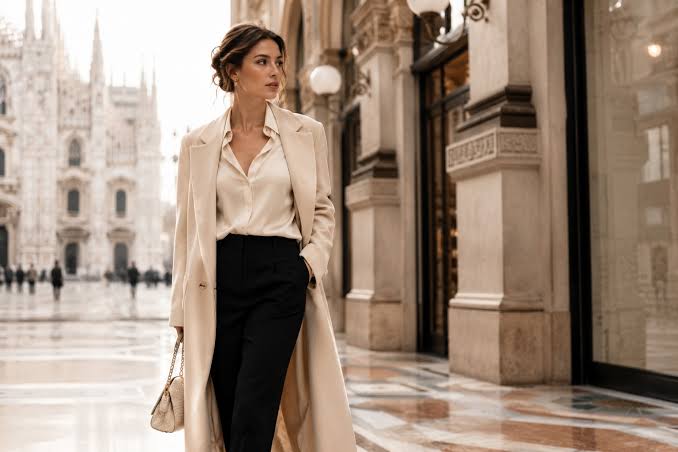
Monday, 20 July 2026 - 9:35
The era of hyper-rigid seasonal dress codes has quietly dissolved. Where personal style once demanded...
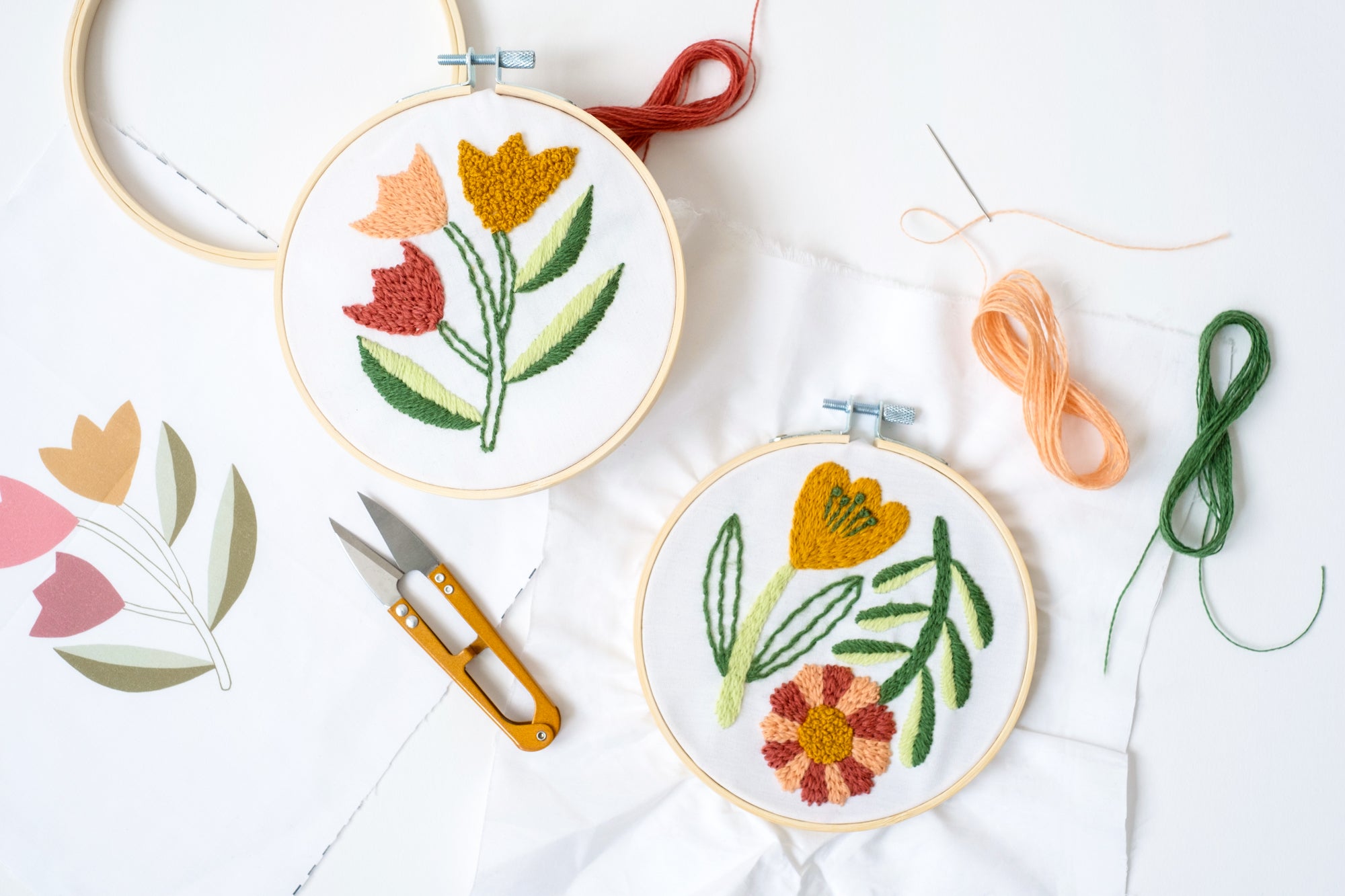
Monday, 08 June 2026 - 18:35
There was a time when sleek, unadorned surfaces and flat printed graphics defined what it meant to be...



Tuesday, 25 August 2026

Thursday, 13 August 2026

Wednesday, 05 August 2026


Tuesday, 18 August 2026
Tuesday, 28 July 2026

Monday, 20 July 2026

Friday, 15 May 2026