
Latest News

Chronograph watches
Monday, 26 February 2018 - 17:40 | Views - 1,392

The world’s oldest chronograph was only discovered in 2012. It’s called a ‘compteur de tierces’, or thirds counter.
Built by watchmaker Louis Moinet in the 19th century, it had been referred to in historical texts but was thought lost.
When it surfaced again at an auction in Geneva, it kinda rewrote the history of time, being five years older than the next likely candidate.
It was, of course, quite primitive by modern standards, but it marks the beginning of what is possibly the most popular style of men’s watch.
In the years since, chronographs have synonymous with adventure.
They have graced the wrists of pilots – Breitling’s 1942 Chronomat, for instance, was the first ‘slide-rule’ chrono, helping flyboys calculate anything from air speed to fuel consumption.
The original Autavia, from what is today Tag Heuer, started life as a dashboard clock for rally cars.
And a chronograph, the Omega Speedmaster, was not only the first watch on the moon but also saved the crew of Apollo 13 because the astronauts used them to time critical engine burns that got them safely back to earth.
What Should You Spend On A Chronograph?
When it comes to price, with a chronograph it’s worth knowing what you’re paying for as the mechanics have do have an effect.
The first factor to consider is whether the chrono is a column wheel or cam-actuated.
Luxury watch brand Zenith, which produced the world’s first automatic chronograph, also had one of the first examples of a column-wheel function.
This featured a mechanism that resembles a small castle turret in the movement.
Each time the chronograph pusher is activated the turret rotates one increment.
It requires a lot of care and attention to build and maintain this type of chrono, so expect to reach deep into your pockets.
The other difference in price tends to come with whether the chronograph is modular or integrated.
As the word suggests, ‘modular’ implies a block of mechanics comprising the complication function that can be easily added to a base calibre.
Aside from allowing brands to swap and change complications without having to remake entire movements, it’s great for watchmakers because you can service the hard-working elements of the movement – escapement, mainspring, winding system – without having to take apart the complication as well.
Styling Your Chronograph
Originally a chronograph was a sports watch, which made styling it pretty simple – just keep things casual.
These days though, you can run the full gamut from dress to dive, which makes things a little more complex.







Monday, 27 July 2026 - 9:40
After years dominated by hyper-saturated trend cycles and sleek, ultra-smooth minimalism, fashion has...

Monday, 20 July 2026 - 9:35
The era of hyper-rigid seasonal dress codes has quietly dissolved. Where personal style once demanded...
Monday, 08 June 2026 - 18:35
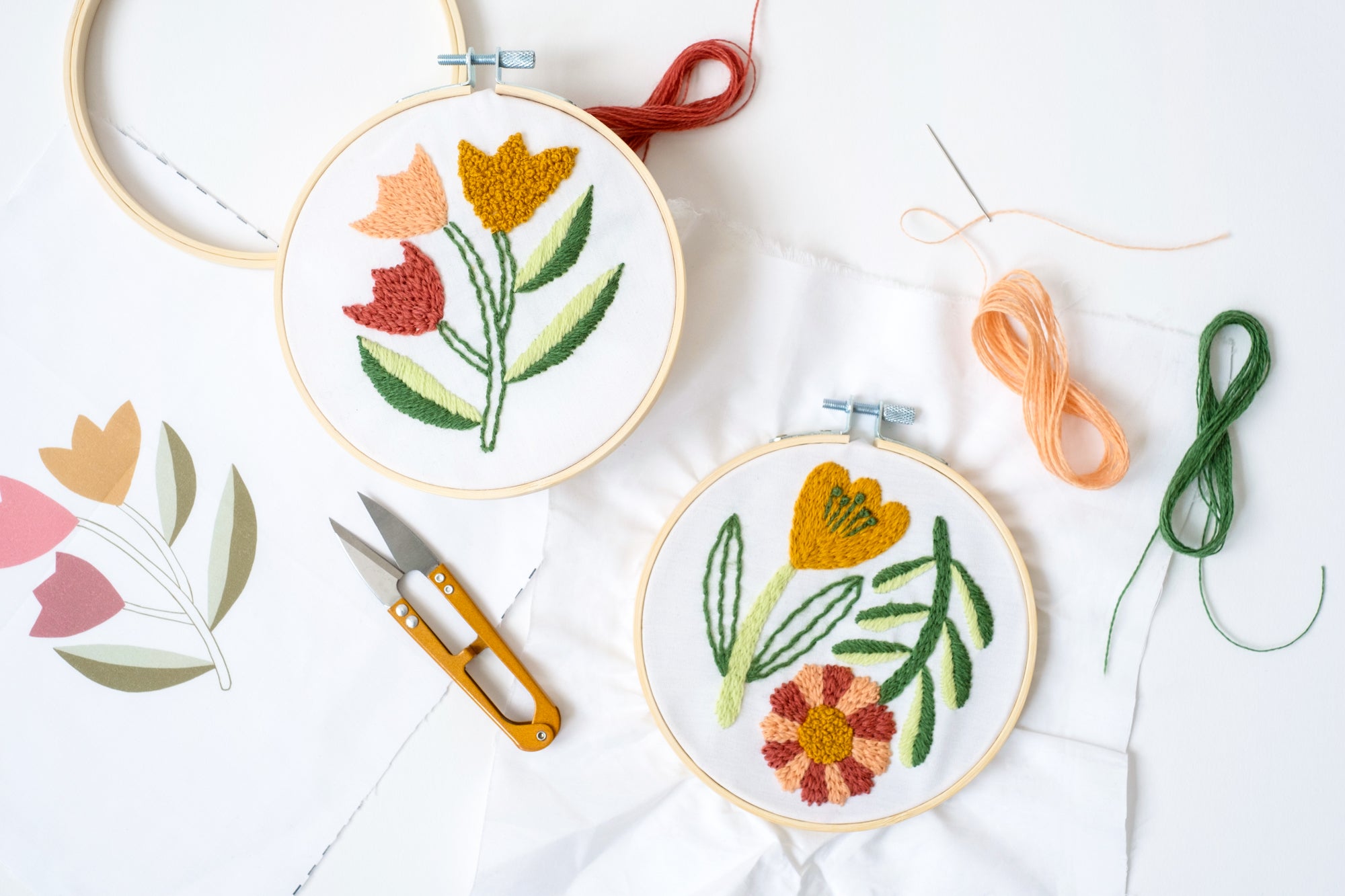
There was a time when sleek, unadorned surfaces and flat printed graphics defined what it meant to be...


Tuesday, 25 August 2026
Thursday, 13 August 2026
Wednesday, 05 August 2026


Tuesday, 18 August 2026

Tuesday, 28 July 2026

Monday, 20 July 2026

Friday, 15 May 2026