
Latest News

The Power of Simplicity: Monochrome Fashion in a Complex World
Wednesday, 08 April 2026 - 15:58 | Views - 321

There was a time when bold patterns, bright colors, and layered combinations defined what it meant to be fashionable. Style was often associated with variety—mixing tones, textures, and trends to create eye-catching looks. A vibrant wardrobe was seen as a reflection of creativity and individuality.
Today, however, a quieter shift is taking place. As lifestyles become faster and more streamlined, many are turning toward simplicity in what they wear. Monochrome fashion—built around a single color or varying shades of it—is emerging as a refined, modern approach to dressing. It reflects not only aesthetic preference, but also a deeper desire for clarity, ease, and intention.
A Shift Toward Minimal Expression
In a world filled with visual noise, monochrome fashion offers a sense of calm. By focusing on one color palette, it removes the need for excessive coordination and replaces it with cohesion. The result is a look that feels deliberate rather than complicated.
This approach is not about limitation—it is about focus. Designers and wearers alike are exploring how subtle differences in shade, tone, and texture can create depth without relying on contrast. A single color becomes a canvas for creativity, allowing form and structure to stand out more clearly.
The Art of Layering Within One Tone
One of the defining features of monochrome fashion is its reliance on layering. Without multiple colors to create separation, the emphasis shifts to silhouette and material.
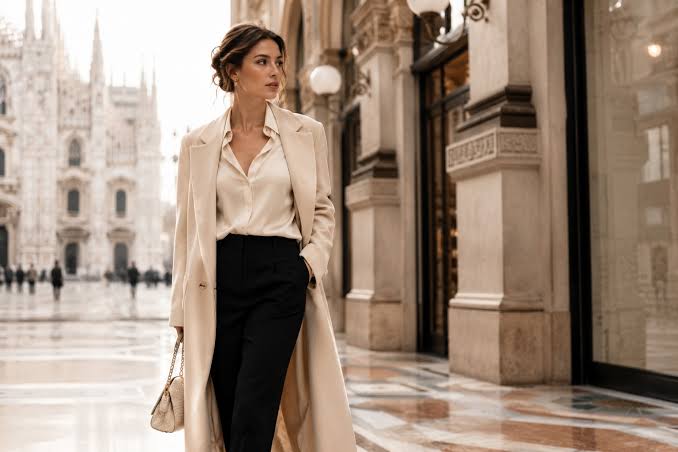
Soft fabrics paired with structured pieces, matte finishes contrasted with slight sheen—these variations add dimension while maintaining a unified appearance. A monochrome outfit in black, for example, might combine cotton, leather, and wool to create visual interest without breaking the color story.
This technique transforms simplicity into sophistication, proving that minimalism can be just as expressive as maximalism.
Timelessness Over Trends
Monochrome fashion naturally resists the fast-changing cycles of trends. Because it relies on classic tones—such as black, white, beige, or grey—it tends to remain relevant across seasons and years.
This timeless quality makes monochrome wardrobes more sustainable in practice. Fewer pieces are needed, and each item is more versatile, easily combining with others in the same palette. The result is a wardrobe that feels cohesive and enduring rather than temporary.
For many, this represents a shift away from constant consumption toward more thoughtful ownership.
Versatility in Everyday Life
Another reason for the growing appeal of monochrome fashion is its practicality. A single-color wardrobe simplifies decision-making, making it easier to dress for different occasions without overthinking combinations.
Whether for work, travel, or casual settings, monochrome outfits can be adapted with small changes—switching textures, adjusting layers, or adding subtle accessories. The consistency of color creates a polished look with minimal effort.
This balance of style and convenience aligns with modern lifestyles, where efficiency is often just as important as appearance.
Looking Ahead
Monochrome fashion is unlikely to replace more colorful styles, but its influence continues to grow. As people seek balance in an increasingly complex world, the appeal of simplicity becomes stronger.
The future of fashion may not always be louder or more elaborate—it may, instead, become quieter and more considered. Monochrome dressing reflects this shift, offering a way to stand out through subtlety rather than excess.
In the end, it demonstrates that sometimes, less is not just more—it is everything.






Monday, 27 July 2026 - 9:40
After years dominated by hyper-saturated trend cycles and sleek, ultra-smooth minimalism, fashion has...
Monday, 20 July 2026 - 9:35
The era of hyper-rigid seasonal dress codes has quietly dissolved. Where personal style once demanded...
Monday, 08 June 2026 - 18:35
There was a time when sleek, unadorned surfaces and flat printed graphics defined what it meant to be...



Wednesday, 23 September 2026

Tuesday, 25 August 2026
Thursday, 13 August 2026


Tuesday, 18 August 2026
Tuesday, 28 July 2026

Monday, 20 July 2026

Friday, 15 May 2026